Since a serious train accident in Spain, the railway line between Madrid and Andalusia has remained closed. Several Spanish and European carriers, including Iberia, Air Europa, Ryanair and Wizz Air, have responded by adding flights from the capital to destinations across Andalusia.
Volotea has taken the expansion further, opening a base in Madrid and restoring an air route that had not been served for 40 years.
On 28 October, 69 people died when two high-speed trains collided approximately 130 kilometres south of Madrid while travelling towards Andalusia. It was Spain’s deadliest railway accident since 2013, when 80 people died in a crash near Santiago de Compostela.
The October accident followed another fatal incident in January 2026, when a train derailed on the same route and collided with another service. The crash killed 46 people, adding to concerns surrounding the line, which is now closed.
According to Spanish online newspaper Vozpópuli, the route normally accommodates 47 trains a day, carrying approximately 10,000 passengers. Rail services could resume on 18 November, although this has not been officially confirmed.
State-owned railway operator Renfe has stopped selling tickets for December but intends to resume services as soon as the line is cleared for traffic. The disruption has created an opportunity for airlines to provide additional capacity between Madrid and southern Spain.
Iberia Leads the Capacity Increase
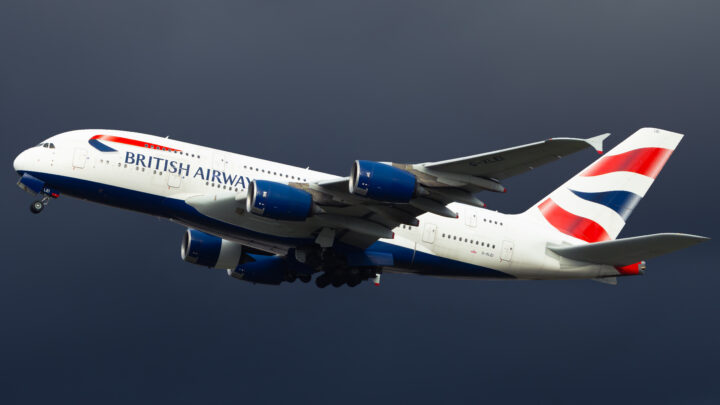
Spain’s national airline, Iberia, responded promptly to the disruption, introducing additional flights from Madrid to Málaga. By 8 November, Iberia and its subsidiary Iberia Express had operated 98 additional flights to Seville and Málaga, providing 20,718 seats.
The airline has since extended the programme. Between 9 and 30 November, the two carriers will operate a further 208 flights, offering approximately 39,000 additional seats. The expanded schedule also includes Jerez, Granada and Almería.
Iberia has indicated that it could deploy larger aircraft on services experiencing particularly high passenger demand. The airline has also introduced a cap on fares across the affected routes, initially applying the measure until 8 November before extending it to the end of the month.
The airline had introduced additional flights following the earlier railway accident in January, too.
Air Europa, Ryanair and Wizz Air Add Flights
Iberia is not the only carrier increasing capacity between Madrid and Andalusia.
Spanish airline Air Europa has introduced two additional daily connections to Málaga and Seville, bringing its total number of daily flights to Málaga to six.
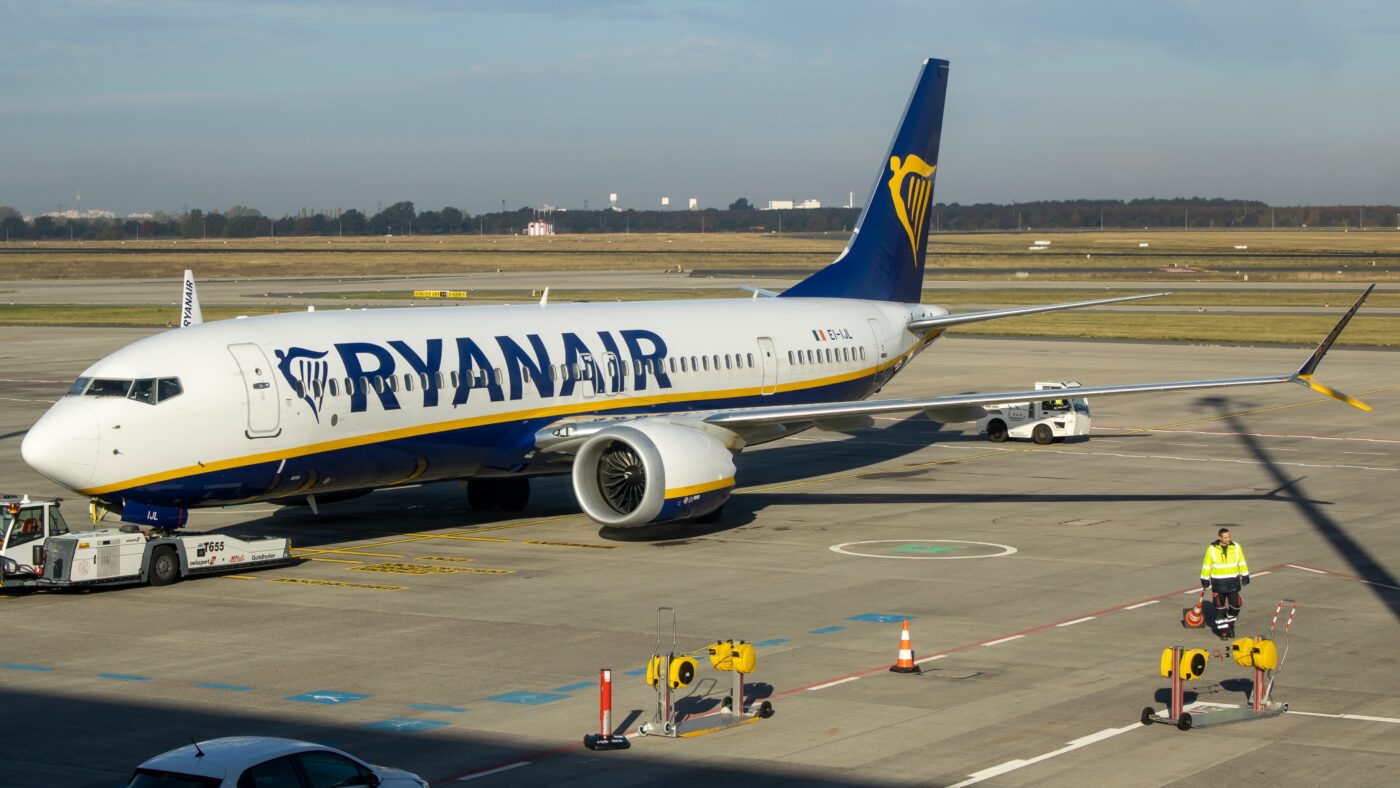
Ryanair, Europe’s largest low-cost carrier, is operating twice-daily services between Madrid and Málaga from 14 November until 10 January.
Wizz Air, which opened its Madrid base at the beginning of November, has also introduced additional flights. Since 6 November, the airline has operated two extra daily services to both Málaga and Seville. Spanish low-cost carrier Vueling has also increased its presence in the domestic market, deploying Airbus A321-200 aircraft on additional flights from Madrid.
The airline has further resumed services between Madrid and Barcelona, a route it had previously suspended. The reinstated service began in October and now operates up to five times a day, providing another option for passengers affected by the railway disruption.
Volotea Opens Madrid Base and Restores Córdoba Route
Volotea has made the most substantial expansion in response to the railway disruption.
The Spanish airline initially introduced almost 100 additional flights to Seville and Málaga, while capping fares on those services at its basic fare level. It has since opened a new base in Madrid, stationing two aircraft at the airport, according to Spanish aviation industry publication Preferente.
The base will support the introduction of several domestic routes. From 27 November, Volotea will operate flights from Madrid to Barcelona, Granada and A Coruña, followed by the launch of services to Córdoba on 4 December.
The Córdoba route is particularly notable, as the city will be connected to the Spanish capital by air for the first time in 40 years.
Volotea will operate twice-daily flights to Seville and Barcelona, four weekly services to Córdoba and daily flights on the remaining routes.
According to Spanish online newspaper Demócrata, the airline is planning to operate more flights from Madrid by March 2027 than it had originally intended.
The expansion marks a significant increase in Volotea’s presence in the Spanish capital, with the railway disruption providing an opportunity to establish routes that could serve passengers beyond the immediate period of suspended rail services.