
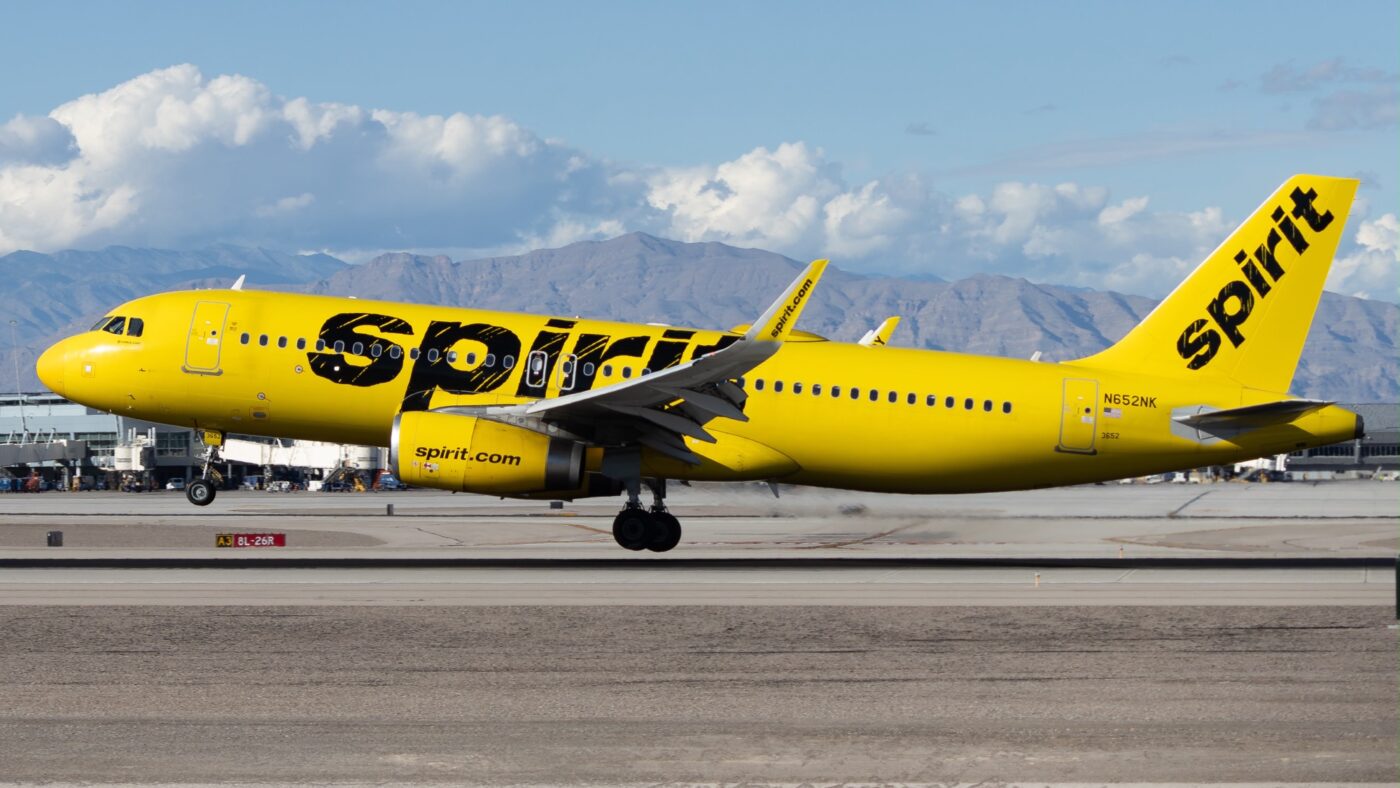
Spirit Airlines has received court approval to sell the final 27 aircraft it owned, marking one of the last major chapters in the airline’s bankruptcy wind-down. The portfolio, consisting of 10 Airbus A320s and 17 A321s, has a combined value of $668.1 million.
The approval was granted by the U.S. Bankruptcy Court in New York after months of marketing the aircraft to potential buyers. While Spirit’s advisers approached 137 prospective purchasers, only eight submitted bids, with just one bidder offering more than the lenders’ opening proposal for a small portion of the fleet.
Most Aircraft Return to Spirit’s Lenders
The majority of the fleet, 23 aircraft, will be acquired by Save 2026-B LLC for approximately $567.4 million. Rather than paying the full amount in cash, the transaction largely offsets debt owed by Spirit, as the buyer is controlled by holders of the airline’s aircraft-backed notes.
A further four Airbus A321s will be sold to FTAI Aircraft Leasing Bermuda for $100.7 million in cash after its bid exceeded that of the lenders.
The aircraft included in the sale were built between 2015 and 2018 and are powered by IAE V2500 engines. Each will transfer with its engines, maintenance records and associated equipment on an “as-is” basis.
The End of Spirit’s Owned Fleet
When Spirit entered bankruptcy, it owned 48 Airbus A320-family aircraft, while the remainder of its fleet was leased. Earlier sales had already disposed of 21 owned aircraft, making this the final substantial portfolio to leave the airline’s balance sheet.
Spirit ceased passenger operations in May 2026, bringing an end to one of the United States’ largest ultra-low-cost carriers. Since then, its aircraft have gradually been sold, returned to lessors or prepared for dismantling as creditors recover value from the airline’s remaining assets.
Analysis: What the Sale Means for Spirit
The sale does not mean Spirit will receive $668 million in fresh cash.
Much of the transaction settles outstanding secured debt, with lenders effectively taking ownership of the aircraft instead of repayment. It nevertheless closes out the airline’s final major owned-aircraft disposal and brings its liquidation process significantly closer to completion.