
flyDubai is facing increased scrutiny following an attempted takeover of flight FZ1073, with new details emerging about the events inside the aircraft as the airline simultaneously begins expanding its cargo operations.
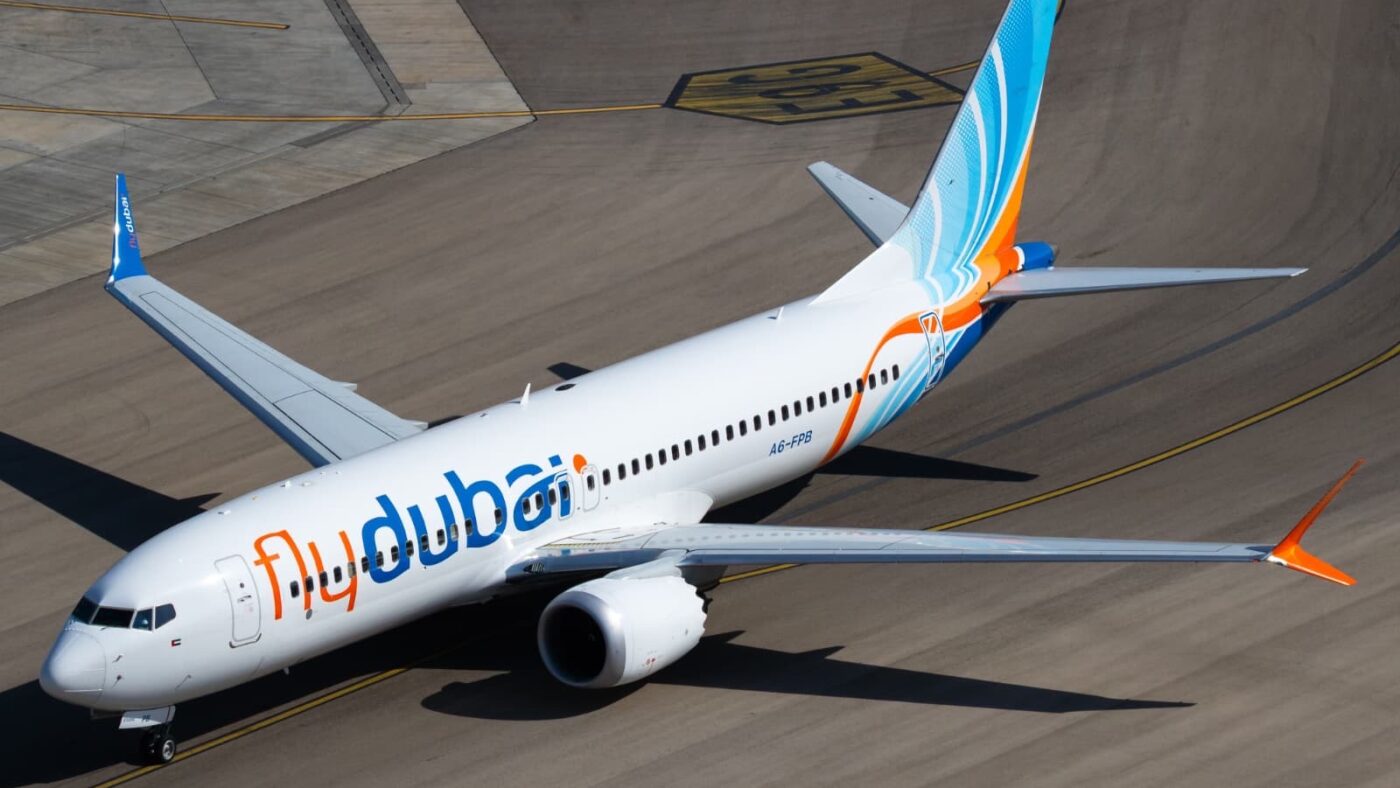
The Boeing 737 MAX 8 was operating from Dubai International Airport (DXB) to Tel Aviv on September 30 when a serious security incident unfolded inside the cockpit.
What initially appeared to passengers as severe turbulence quickly became something far more serious.
What Happened Aboard FZ1073?
Flight FZ1073 departed Dubai at around 07:05 local time with 174 people on board.
While the aircraft was cruising towards Israel, the co-pilot, identified as Omani national Hammam al-Hammami, attacked Captain Smit Machchhar inside the cockpit.
The United Arab Emirates’ Attorney General has since confirmed that the co-pilot attacked the captain using the aircraft’s emergency crash axe before attempting to take control of the aircraft.
Machchhar later described the attack in a conversation with Israeli Prime Minister Benjamin Netanyahu, saying that the assault began after the co-pilot had asked to pray. The captain said he subsequently felt a blow to the back of his head before further blows followed.
As the struggle continued, the aircraft began descending rapidly.
Flight-tracking data showed FZ1073 losing more than 14,000 feet in roughly 30 seconds. Passengers initially believed they were experiencing extreme turbulence, before it became apparent that something was seriously wrong in the cockpit.
Despite being injured, Machchhar managed to reach the cockpit door and activate its release. This proved critical.
Passengers and crew members rushed towards the cockpit and helped overpower the co-pilot. Two additional flydubai pilots were also travelling on the aircraft as repositioning crew, and one of them was able to take control of the aircraft.
FZ1073 was subsequently diverted to Tabuk Airport in northwestern Saudi Arabia, where it landed safely.
The captain and co-pilot were taken for medical treatment, while the passengers were eventually flown onward to Israel.
UAE Calls It A Terrorist Attack
The incident has since been formally characterised by the UAE as an attempted terrorist attack.
The UAE Attorney General said an investigation found that the co-pilot had attacked the captain and attempted to take control of the aircraft. Investigators are still examining his motive, whether there were any connections to other individuals or organisations and whether the incident was planned in advance.
The investigation has also raised questions surrounding the co-pilot’s previous aviation career.
Reports have indicated that he had previously encountered concerns during his aviation career, while authorities in Australia are examining his links to the country. The investigation into how he was subsequently able to obtain employment as a commercial airline pilot is now likely to attract considerable attention.
flyDubai has said it is cooperating with authorities and has urged people not to speculate while the official investigation continues.
A New Chapter For flyDubai Cargo
The FZ1073 incident comes at an important point in flydubai’s development.
The airline has begun introducing dedicated cargo flights from Al Maktoum International Airport (DWC), expanding beyond the belly-hold cargo carried by its passenger fleet.
flydubai has agreed to wet lease three Boeing 737 freighters from fellow UAE carrier SolitAir. The aircraft are expected to provide approximately 23,000 kilograms of additional cargo capacity per flight.
The initial network began in October, with services connecting DWC with destinations including Doha, Karachi, Sulaymaniyah, Kuwait City and Erbil.
Additional services linking Kabul, Delhi, Chennai and Hanoi are also scheduled to join the network during October.
Why Is flyDubai Moving Into Dedicated Freighters?
Cargo is intended to provide flydubai with another source of revenue alongside its passenger business.
The airline already transports freight in the belly holds of its passenger Boeing 737s, but dedicated freighters allow it to target cargo that requires greater capacity or more specialised handling.
flyDubai is also looking at high-value cargo markets, including pharmaceuticals, aerospace components and express shipments, while maintaining the ability to operate ad-hoc and charter cargo services.
The airline is evaluating the performance of its initial freighter operation and could eventually convert some of its older Boeing 737-800s into dedicated freighters.
Its longer-term fleet plans could also provide additional cargo capacity, with Boeing 787 Dreamliners on order that will offer substantially greater belly-hold capacity than its existing narrowbody fleet.
Could The FZ1073 Incident Affect The Cargo Expansion?
There is currently no indication that the FZ1073 incident has halted or directly disrupted flyDubai’s cargo expansion.
The freighter operation has continued, with the first services beginning as planned.
However, the incident could have consequences for the airline beyond the individual flight.
The most significant issue is likely to be the scrutiny surrounding crew recruitment, security screening and information-sharing between airlines and aviation authorities.
If the investigation results in changes to pilot vetting or security procedures, flydubai could face additional regulatory requirements and potentially higher operating costs.
There is also a reputational element.
flyDubai is attempting to establish cargo as an important second revenue stream, particularly as it expands its presence at DWC. Confidence among cargo customers, logistics companies and international partners will therefore remain important.
At present, however, there is no evidence that the incident has materially affected the airline’s cargo programme.
The two developments are unfolding simultaneously: an investigation into one of the most serious security incidents in its history, and an effort to build a larger and more diversified business around passenger and cargo operations.
The eventual findings of the FZ1073 investigation will determine whether the incident remains an isolated event or leads to longer-term changes in how flyDubai recruits, vets and manages its flight crews.