
Latvian flag carrier airBaltic could run out of cash in the first half of December, leaving the airline facing liquidation unless it secures further financing.
The warning was made in a November 16 filing with the US Bankruptcy Court for the Southern District of New York, where the airline is undergoing Chapter 11 restructuring. Its financial adviser, Seabury Global Aviation Advisors, has warned that the carrier will be unable to finance its ongoing operations without access to the remaining funds under its debtor-in-possession (DIP) financing facility.
The airline is seeking to unlock a further €175 million, but access to the funding remains tied to a dispute with existing bondholders over the priority of security interests.
Financing Dispute Puts December Deadline in Focus
airBaltic secured a €350 million DIP financing facility in October, arranged by Strategic Value Partners and a syndicate of lenders. The facility is intended to support the airline’s operations during its restructuring.
The first €175 million tranche has been made available, while the remaining €125 million and €50 million tranches are subject to further conditions.
The issue centres on whether the new lenders should receive priority over existing bondholders’ claims on certain assets. Four holders of airBaltic’s secured bonds, which mature in 2029, have objected to the proposed arrangements.
air Baltic argues that the additional financing is essential to keeping the business operating. It has also proposed giving bondholders secondary claims over eight Airbus A220-300 aircraft, seven spare engines and a flight simulator, which it values at €255 million.
The dispute has left airBaltic facing a tight timetable. The main court hearing on the financing arrangements has been scheduled for December 9, with a further hearing possible on December 10.
A Restructuring With Fleet Implications
The financial pressure comes as airBaltic continues to restructure its operations under Chapter 11, which allows it to continue flying while it works through its financial difficulties. The carrier entered the US bankruptcy process in September 2026. It has also been working to reduce its fleet and renegotiate aircraft leases as part of the restructuring.
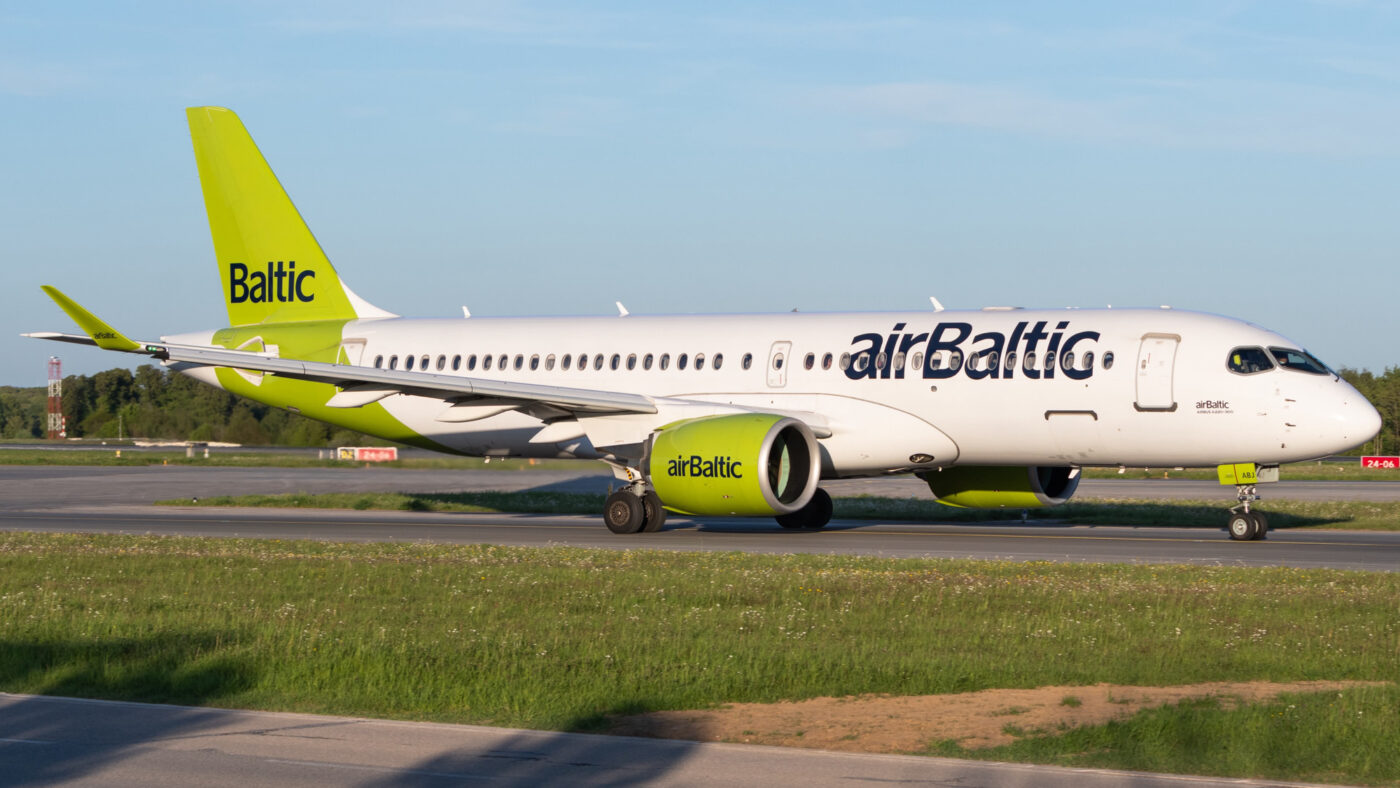
airBaltic operates an all-Airbus A220-300 fleet, with 54 aircraft listed in its November filing. The airline has been a significant operator of the type in Europe, making its financial position relevant to aircraft lessors, and the industry itself.
The airline’s adviser has warned that the value of bondholders’ collateral could fall sharply if the company is liquidated. airBaltic estimates that existing collateral, much of which consists of its brand, trademarks and intellectual property, would recover only a small fraction of its value in that event.
The Baltic-carrier maintained that its flight programme will continue as scheduled throughout the Chapter 11 proceedings, regardless of the outcome of the bondholder vote. Passengers can continue to book future travel, it said.