
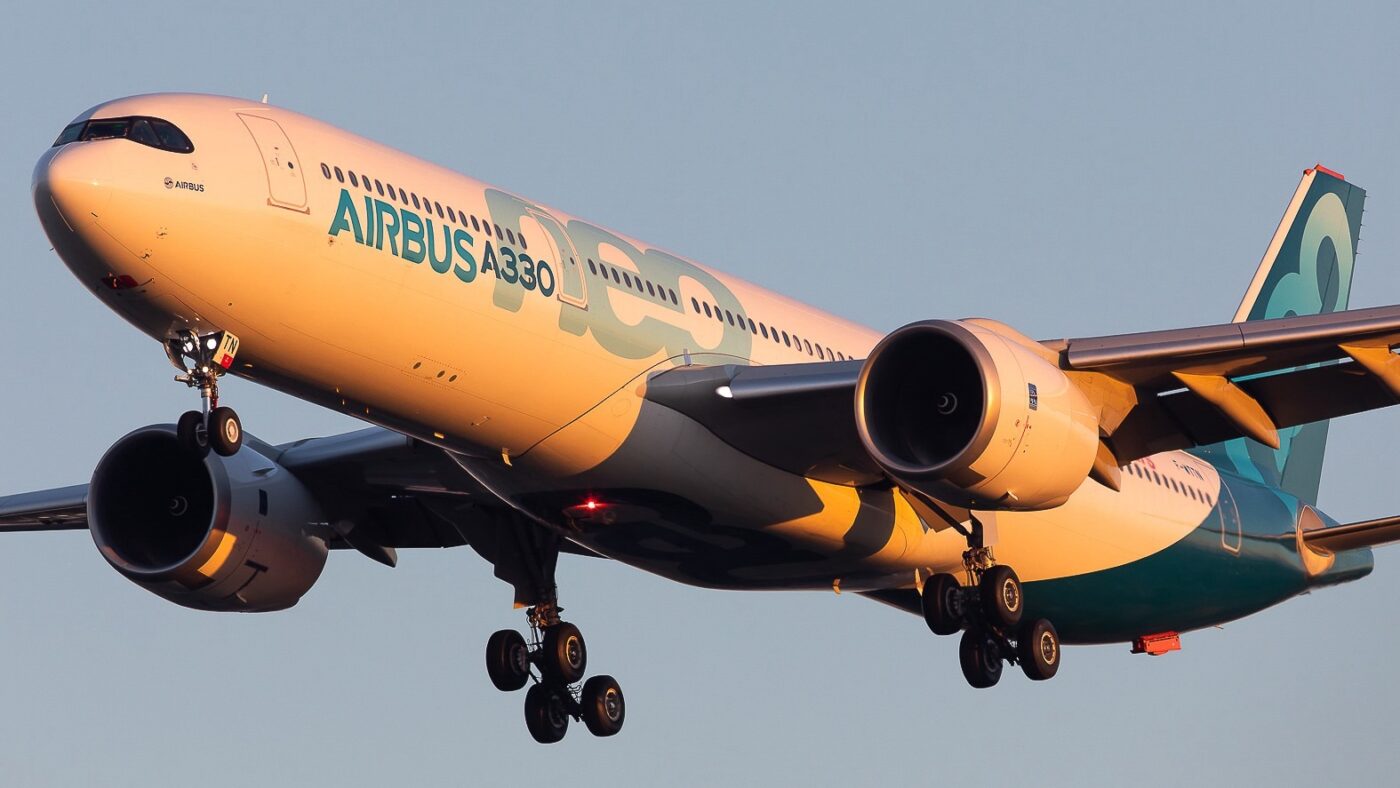
Airbus has slowed deliveries of its A330neo wide-body aircraft after a stray tool was discovered inside the horizontal tail plane of an aircraft during a pre-delivery inspection.
The issue was identified during production and prompted Airbus to inspect other A330 aircraft still on the assembly line. The horizontal tail plane, also known as the horizontal stabiliser, is an important part of the aircraft’s tail that helps control its pitch, or the movement of the aircraft’s nose up and down.
The discovery significantly affected A330 deliveries over the European summer. Airbus delivered no A330 aircraft in June or July, while only one was delivered in August. Before the disruption, the manufacturer had delivered nine A330neos between March and May.
Airbus described the problem as an “isolated quality issue” and said that its root cause has now been identified. The company has also confirmed that A330 deliveries have resumed.
The discovery of a loose tool is an example of what the aviation industry calls Foreign Object Debris, or FOD. Tools, equipment or other objects accidentally left inside an aircraft can potentially cause serious problems if they are not found before the aircraft enters service. In this case, however, the problem was discovered before the aircraft was delivered to an airline, meaning the affected aircraft did not enter passenger service with the tool inside.
The issue is not believed to be connected to recent strikes at Airbus facilities in Spain, where components of the A330’s horizontal tail plane are manufactured.
Although the incident has caused a temporary slowdown in production and deliveries, Airbus says the problem has been resolved and inspections have allowed deliveries to resume. The event nevertheless highlights the importance of strict quality-control procedures during aircraft manufacturing.