
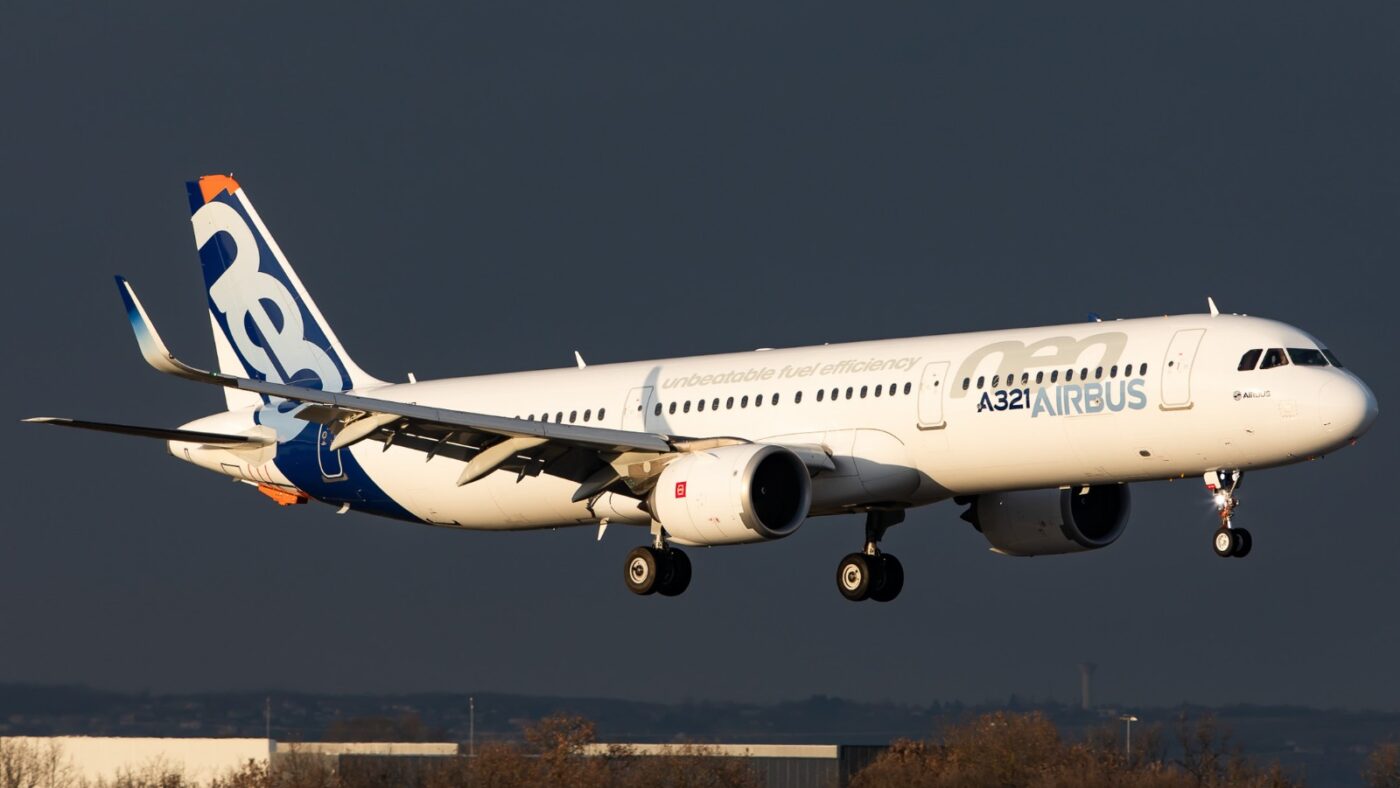
Airbus has reaffirmed its ambitious target of delivering approximately 870 commercial aircraft in 2026, despite reporting weaker third-quarter earnings and continued challenges across its production network. The European manufacturer maintained its full-year guidance when publishing its financial results on Wednesday, 28 October, setting the stage for an exceptionally demanding final quarter.
With 547 commercial aircraft handed over between January and September, Airbus must deliver another 323 aircraft before the end of December to achieve its objective. That represents an average of almost 108 deliveries per month, considerably above the pace maintained throughout the first nine months.
For comparison, Airbus delivered 286 aircraft during the final quarter of 2025. Reaching this year’s objective would therefore require approximately 13% more deliveries during the same period. Should the manufacturer succeed, it would surpass its previous annual record of 863 aircraft, established in 2019.
Weaker Quarter Despite Strong Annual Performance
Airbus’s latest results present a mixed picture. Deliveries during the first nine months increased by 8% compared with the 507 aircraft handed over during the equivalent period last year. However, the third quarter proved more challenging, with 196 aircraft delivered between July and September, compared with 201 in 2025.
The slowdown was reflected in the company’s financial results. Quarterly revenue declined by 2% to €17.47 billion, while adjusted operating profit fell by 9% to €1.77 billion. Airbus attributed the weaker performance primarily to lower commercial aircraft deliveries, a less favourable product mix and costs associated with integrating former Spirit AeroSystems operations.
Nevertheless, the manufacturer’s overall financial performance remained positive. Revenue for the first nine months increased by 7% to €50.6 billion, while net income rose by 36% to approximately €3.59 billion.
Demand for new aircraft also remained particularly strong. Airbus secured 1,105 net commercial aircraft orders between January and September, more than double the 514 recorded during the same period last year. Its order backlog subsequently reached 9,310 aircraft, highlighting the considerable demand awaiting future production capacity.
Supply Chain Constraints Remain a Challenge
While demand remains strong, Airbus continues to face difficulties translating orders into completed aircraft. Engine availability, particularly involving Pratt & Whitney engines for the A320neo family, has complicated efforts to increase production rates.
Additional disruptions have emerged from manufacturing quality issues, including problems affecting structural components on certain A321neo aircraft. Although Airbus has maintained that the issue does not compromise flight safety, inspections and corrective measures have contributed to delays in the delivery schedule.
These challenges have also affected the manufacturer’s cash flow. Free cash flow before customer financing stood at negative €1.27 billion after the first nine months, partly reflecting increased inventories ahead of planned year-end deliveries.
Despite these pressures, Airbus has maintained its full-year financial guidance, targeting approximately €7.5 billion in adjusted operating profit and €4.5 billion in free cash flow before customer financing.
With 323 aircraft still to be delivered, the manufacturer’s ability to meet its ambitious target will depend heavily on production performance, component availability and the timely completion of aircraft handovers during the final quarter. Airbus remains confident in its outlook, but the coming months will determine whether 2026 becomes another record-breaking year for the European manufacturer.