
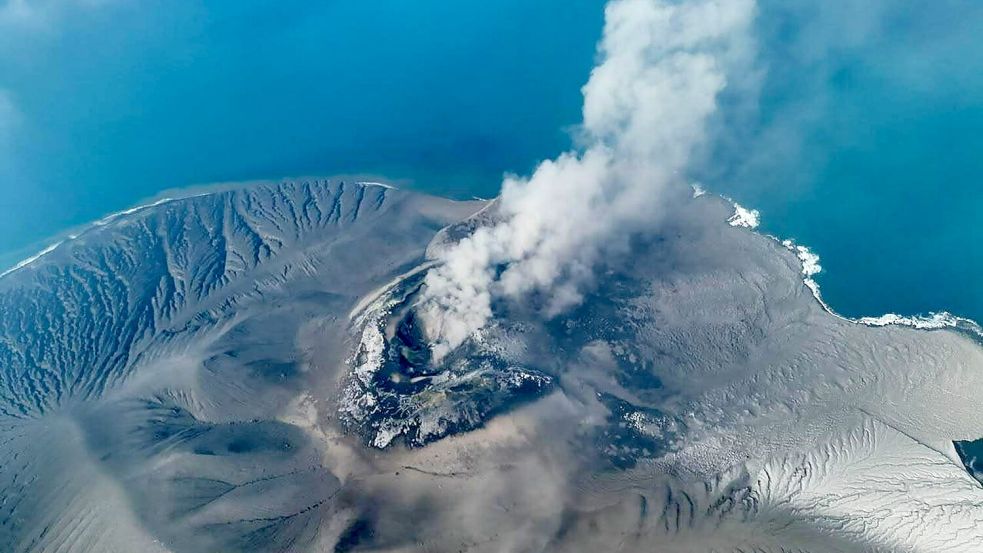
JAKARTA — Indonesia’s aviation sector is gradually recovering from a major disruption caused by volcanic ash from Mount Anak Krakatau, after the volcano’s intense eruptive activity forced the temporary closure of several airports across Java and Sumatra.
The eruption began on September 4 and developed into an approximately 25-hour period of intense activity. Although the most prolonged eruptive phase has subsided, further eruptions have continued. On Tuesday, September 8, the volcano erupted three additional times, underlining the continuing potential for renewed ash emissions and further disruption.
Volcanic ash reaches aviation-relevant altitudes
The principal aviation concern remains the presence and movement of volcanic ash in the atmosphere. During the most intense phase of the eruption, ash plumes reached altitudes of up to approximately 50,000 feet.
Soekarno-Hatta International Airport (CGK), Jakarta’s main international gateway, and four other airports have since resumed operations after authorities confirmed that volcanic ash had cleared from the affected airport areas. However, the situation remains dynamic, with Anak Krakatau continuing to erupt intermittently and aviation authorities maintaining close monitoring of the ash plume and associated airspace hazards.
At such altitudes, volcanic ash can intersect airways used by commercial aircraft. Unlike ordinary meteorological clouds, volcanic ash represents a direct aircraft hazard. Ash particles entering a turbofan engine can melt in the high-temperature sections of the engine and subsequently solidify on downstream components. Depending on ash concentration and exposure time, this can result in engine performance degradation or, in severe circumstances, loss of thrust.
Volcanic ash can also affect aircraft windscreens, air-data systems and other components. Consequently, operators avoid known or forecast ash-contaminated airspace rather than relying solely on conditions at the departure or destination airport.
The Indonesian Meteorology, Climatology and Geophysical Agency (BMKG) has been combining satellite observations, aviation meteorological information and ground-based testing to monitor the distribution of the ash. On Tuesday, field verification indicated that several airport areas and surrounding airspace were clear of volcanic ash, allowing operations to resume.
Airports reopen after two-day disruption
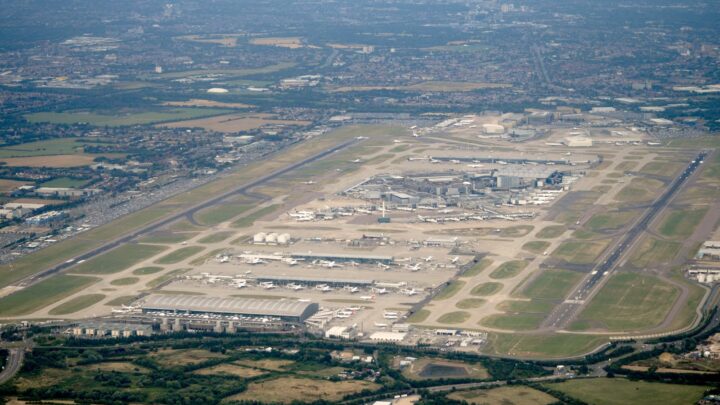
The disruption initially forced eight airports to suspend operations as a precautionary measure. Soekarno-Hatta and Halim Perdanakusuma Airport, both serving the Jakarta area, were among the most operationally significant airports affected.
By Tuesday, conditions had improved sufficiently for Jakarta’s main airports and several regional airports to resume flight operations. Halim Perdanakusuma also returned to normal operations after its temporary suspension.
The reopening does not, however, mean that the aviation network has immediately returned to normal. Airlines first have to recover from aircraft and crew displacement, cancelled rotations and accumulated passenger backlogs.
AirAsia confirmed on September 8 that it had resumed affected services to and from Jakarta following the reopening of Soekarno-Hatta. Two Jakarta–Bandar Lampung sectors remained cancelled on Tuesday as the carrier continued to restore its schedule.
Nearly 3,000 flights disrupted
The operational impact of the eruption was substantial. According to the latest reports, nearly 3,000 flights, including approximately 622 international services, were disrupted during the airport closures. Around 341,000 passengers were affected by cancellations and delays.
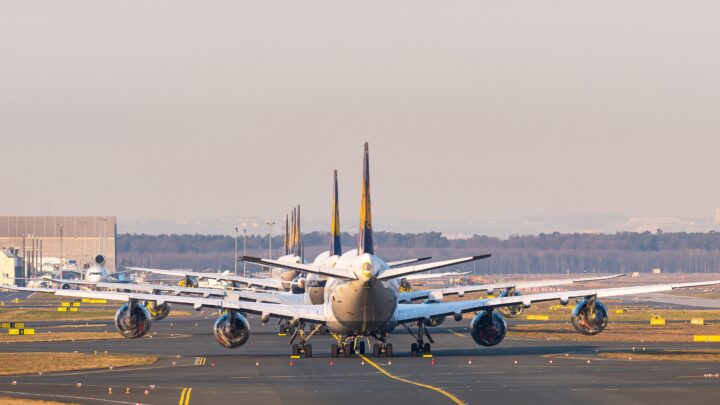
At Soekarno-Hatta alone, hundreds of flights were affected during the shutdown. Aircraft remained grounded while operators waited for conditions to become suitable for a safe resumption of operations.
The disruption also generated a significant recovery challenge for airlines. Aircraft and crews were displaced from their planned rotations, while passengers accumulated at affected airports. Even after airport operations resume, these network effects can continue to generate delays and cancellations for several operating periods.
Recovery underway, but volcanic activity continues
The reopening of the airports follows a reduction in the immediate ash hazard rather than the end of the volcanic event.
BMKG said that repeated ground-based checks had found no significant volcanic ash contamination at the reopened airports. These tests supplement satellite monitoring and aviation meteorological observations and are used to support decisions on whether flight operations can safely resume.
However, Anak Krakatau remains active. A further short eruption was recorded on the morning of September 8, lasting approximately 19 seconds, although BMKG reported that overall volcanic and related activity had declined compared with previous days.
Airport reopening is not equivalent to the elimination of the volcanic ash hazard. A renewed eruption producing a significant ash plume, combined with an unfavourable change in wind direction, could once again affect flight routes or airport operations.
Airlines begin restoring schedules
With Jakarta’s airports operational again, airlines are now focused on recovering their schedules.
Singapore Airlines has adjusted several Singapore–Jakarta services and added relief flights to help accommodate passengers affected by the disruption. Other carriers are similarly working through accumulated demand and operational displacement.
The recovery is expected to be gradual rather than instantaneous. Aircraft positioning, crew availability, maintenance requirements and passenger rebooking all influence how quickly airlines can return to their published schedules