
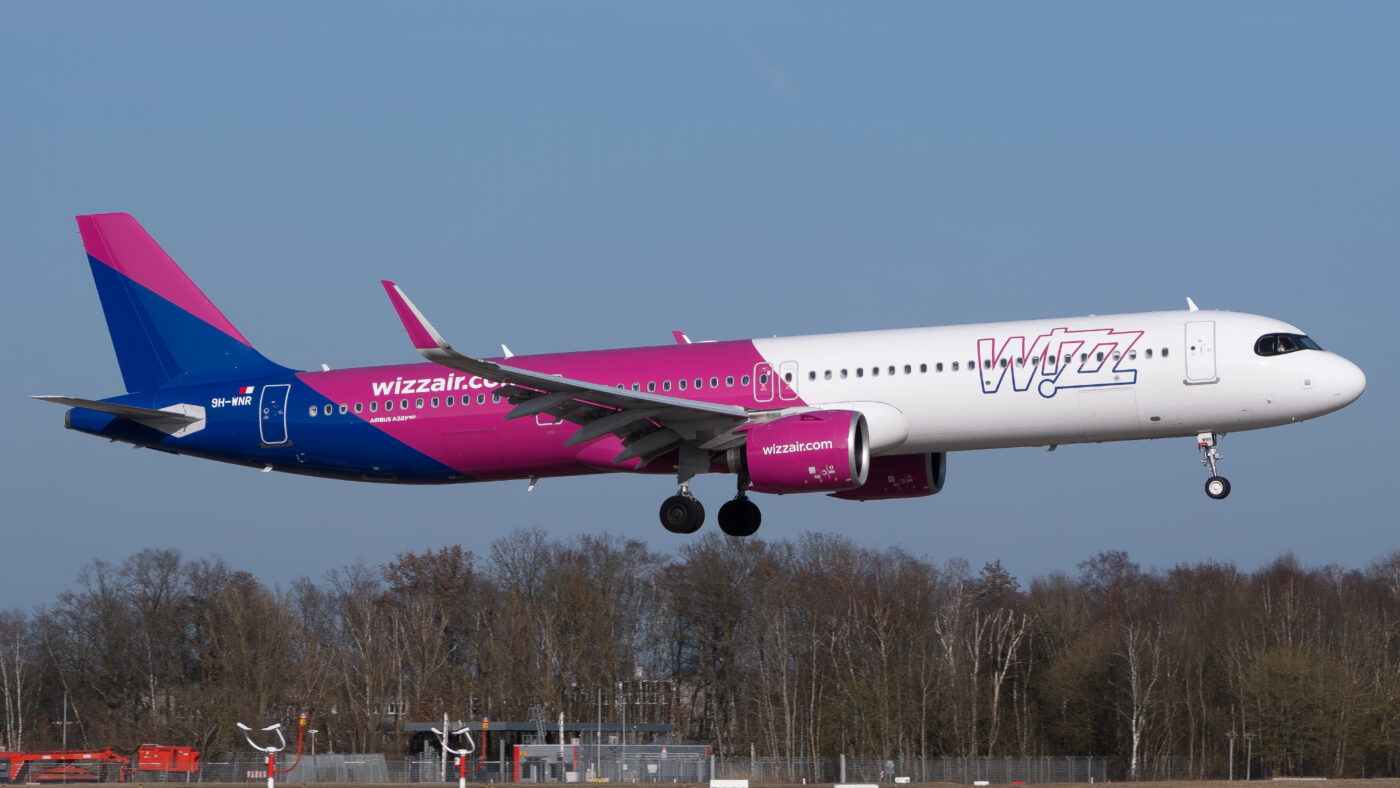
The Airbus A321neo in question was on a scheduled flight from London, the capital of the United Kingdom, to Sofia, Bulgaria. According to Hungarian media reports, the aircraft changed course over Bosnia and Herzegovina and headed instead for Budapest Ferenc Liszt International Airport. This was due to a bomb threat that had come to light during the flight. The source of the threat and the method by which it was transmitted have not yet been confirmed.
As the plane headed toward the Hungarian capital, the military air defense system was also put on alert. According to Hungarian Defense Minister Romulusz Ruszin-Szendi, the incident triggered a so-called “Alpha Alert” under NATO’s air defense readiness protocol. In response, a Saab JAS 39 Gripen from the Hungarian Air Force took off to escort the passenger aircraft. Such alert takeoffs are intended, among other things, to enable a rapid response to extraordinary situations in airspace.
Safe Landing and Safety Measures in Budapest
According to consistent reports from Hungarian media, the Airbus landed safely on the second runway at Budapest Airport at approximately 12:08 p.m. local time. Airport fire department personnel were on standby while the aircraft was subsequently moved to a separate parking position. According to the news portal Kisalföld, the aircraft was initially in the vicinity of parking position B5. The affected runway was temporarily closed, so the remaining arriving and departing traffic had to be routed via the other runway.
The safe landing also marked the end of the Hungarian fighter jet’s mission; it subsequently returned to its base in Kecskemét. The police took over further operations at the airport. As reported by the Reuters news agency, citing Wizz Air, the relevant authorities initiated a security check of the aircraft and the passengers. The airline told the Hungarian news portal 24.hu that it was cooperating with the authorities.
Cause of the Threat Remains Unclear
To date, there is no confirmed information regarding who is responsible for the bomb threat or whether a dangerous object was actually on board. No definitive information has yet been released regarding the final outcome of the security checks or the continuation of the flight to Sofia.
The incident illustrates the extensive security measures that even a suspected threat to air travel can trigger. In addition to diverting a commercial aircraft, such situations can also necessitate the deployment of military aircraft and temporary restrictions on airport operations. In the case of the Wizz Air flight, the aircraft was able to land safely in Budapest. Further investigations will determine whether the bomb threat was based on any factual grounds.