
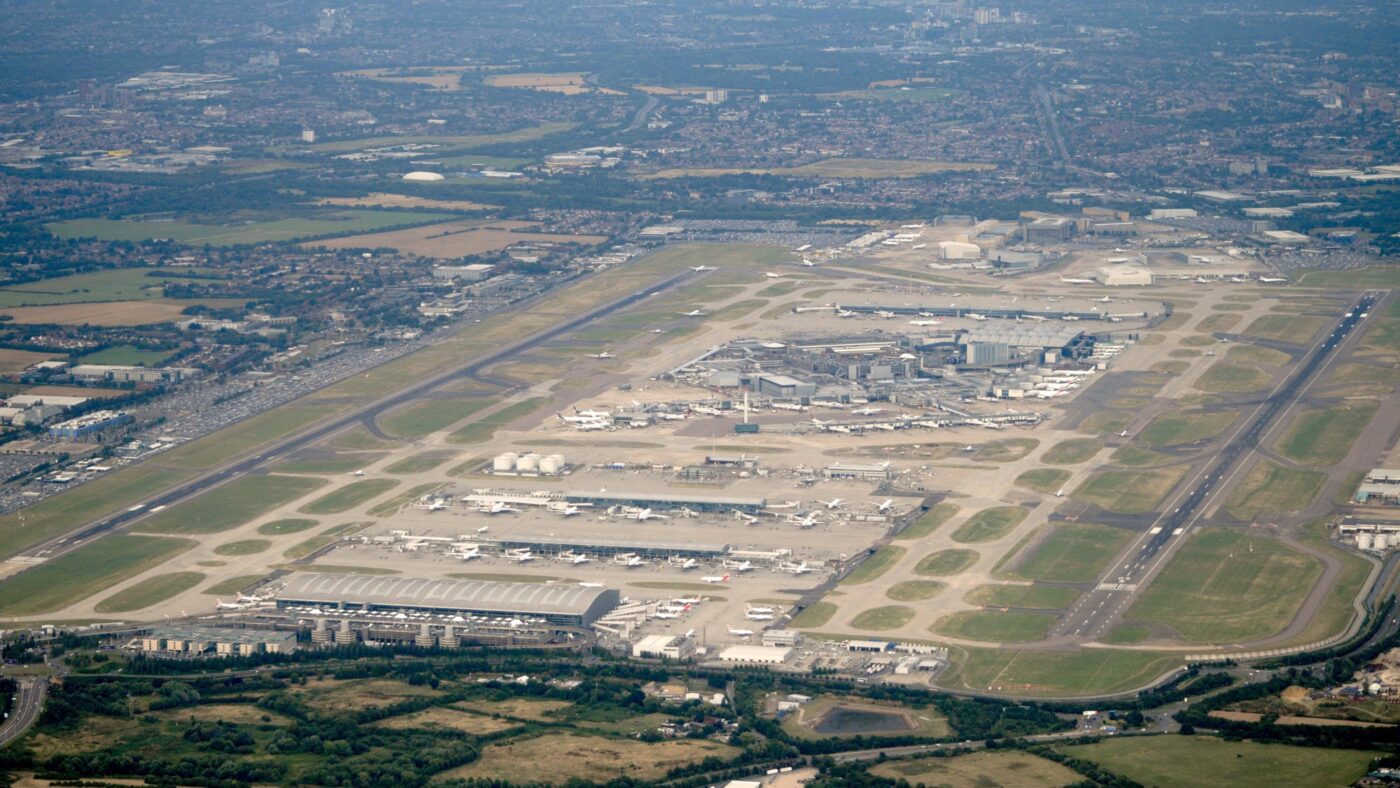
London Heathrow Airport’s long-awaited third runway has been pushed back by at least five years, with the airport’s expansion now expected to be completed around 2040 instead of the government’s original 2035 ambition.
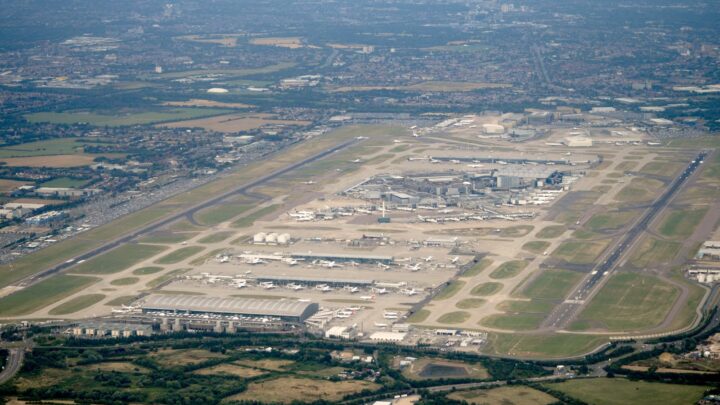
The revised timeline follows engineering assessments that identified significant construction challenges across the airport site, including the diversion of the M25 motorway, relocation of utilities, rivers and lakes, and major upgrades to surrounding transport infrastructure.
A more complicated project than first planned
Heathrow’s proposal centres on a new 3,500-metre northwest runway, alongside the expansion of Terminal 2, a new Terminal 5X, additional satellite terminals and the closure of Terminal 3. The wider redevelopment is estimated to cost £49 billion. One of the biggest obstacles is the relocation of the Longford electricity substation, a process expected to take several years before runway construction can progress.
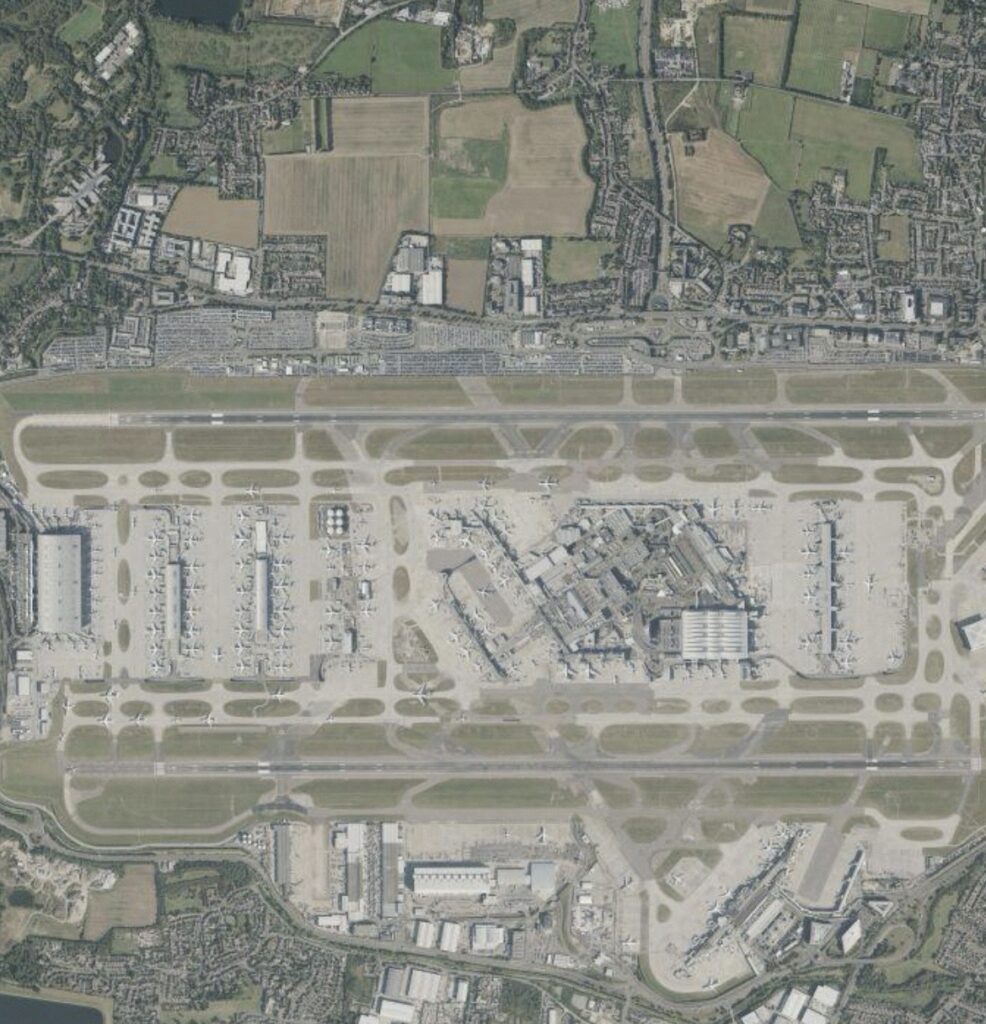
The project also requires sections of the M25 to be rerouted through a tunnel beneath the expanded airport.
Government still targeting expansion
Despite the delay, the UK Government continues to support Heathrow’s expansion as part of its long-term aviation strategy. The third runway remains subject to the planning and development consent process, with consultations and environmental assessments still underway.
If completed, the expansion would increase Heathrow’s capacity to around 150 million passengers annually and allow up to 756,000 flights per year, reinforcing its position as the United Kingdom’s largest international hub.
The latest delay effectively reflects the sheer scale of Heathrow’s redevelopment rather than a loss of political backing.
While the runway remains central to the UK’s airport capacity plans, delivering one of Europe’s most complex infrastructure projects is proving considerably more difficult than meeting its original 2035 deadline. With Heathrow serving as Europe’s busiest airport (by international passenger traffic), critics argue the addition of a third runway would vastly reduce current capacity constraints.
Political Uncertainty
The project has also exposed a growing political divide in Westminster. During an interview on the BBC’s Sunday with Laura Kuenssberg, Prime Minister Andy Burnham declined numerous times to say whether he personally supports Heathrow’s third runway, repeatedly pointing instead to the ongoing public consultation and the need to consider the views of Londoners.
London Mayor Sadiq Khan remains one of the scheme’s strongest opponents, arguing that expanding Heathrow would worsen aircraft noise, air pollution and carbon emissions across the capital. He has consistently maintained that the runway is incompatible with London’s environmental commitments. Khan has remained firmly opposed:
“A third runway at Heathrow would be catastrophic for our environment, our health and our economy.”
With construction already delayed beyond 2035 and political backing no longer unanimous, Heathrow’s expansion faces both engineering and policy hurdles before work can begin.