
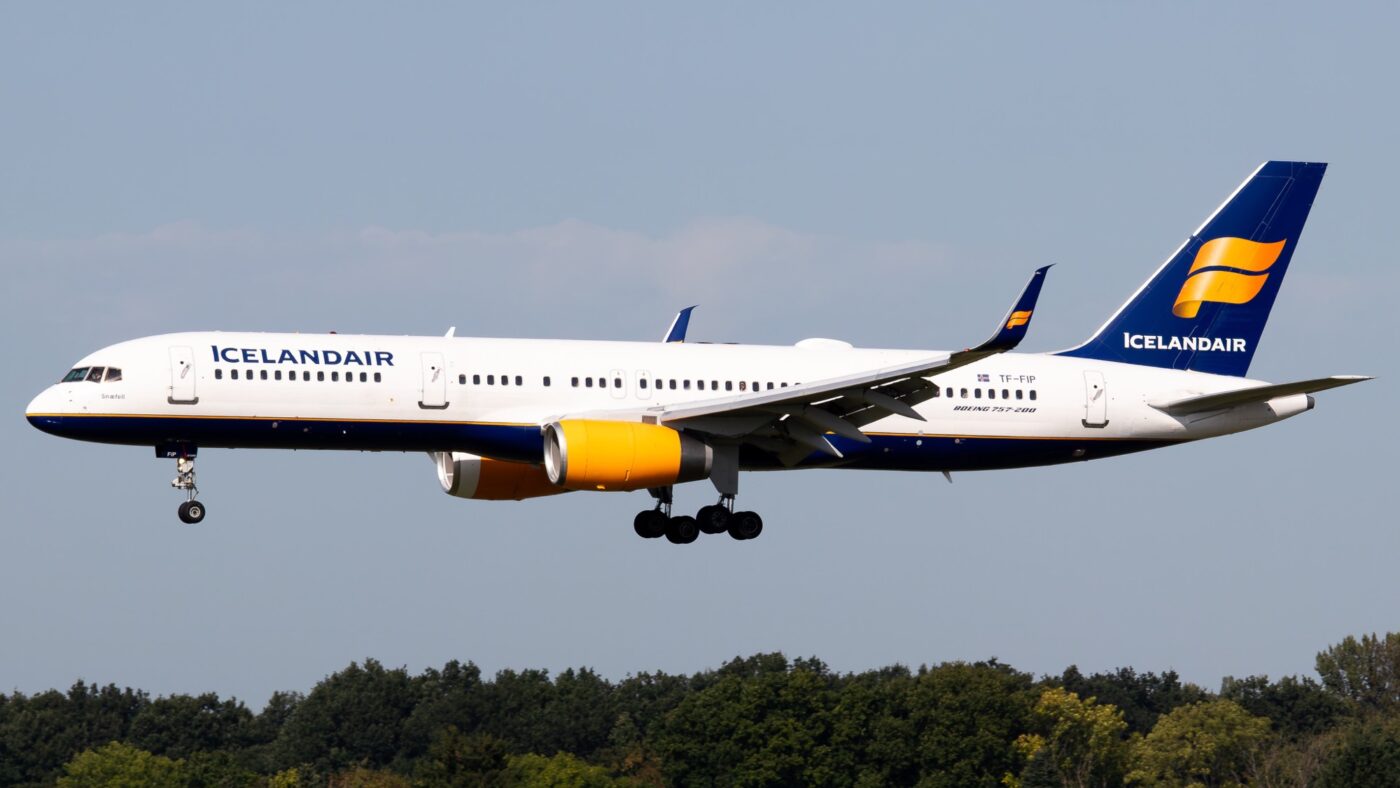
On 14 September, Icelandair (FI) operated Flight FI670 from Denver to Keflavík, marking the airline’s final scheduled Boeing 757 service to the United States. While this does not signal the complete retirement of the type just yet, it marks the beginning of Icelandair’s planned withdrawal of the 757 ahead of its full exit during the winter of 2026.
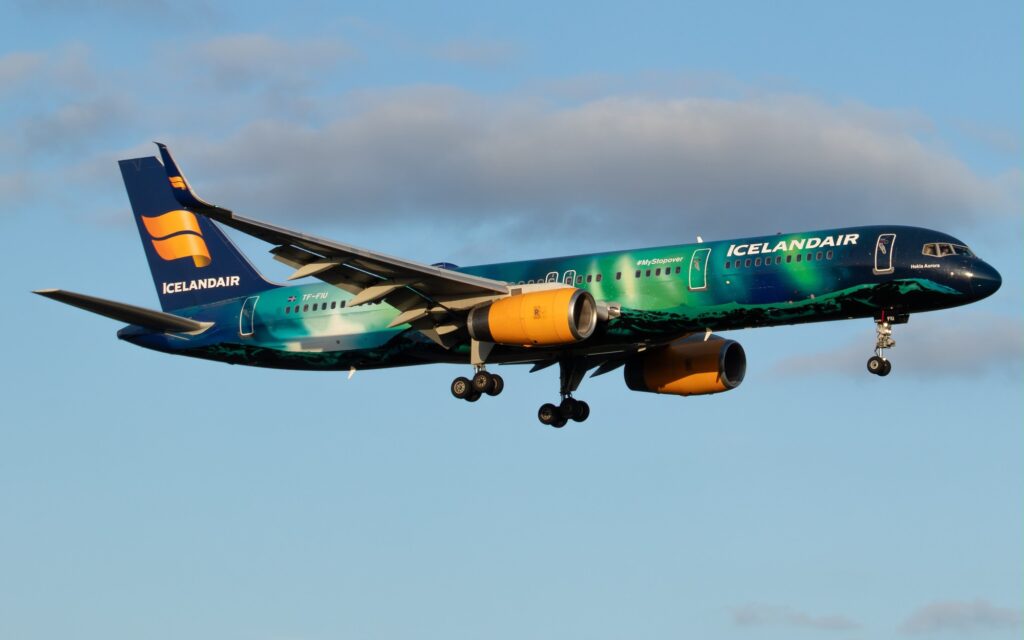
Once Icelandair retires its remaining aircraft, United Airlines will become the only airline still operating scheduled transatlantic Boeing 757 flights, although its fleet is also expected to be phased out in the coming years. As the legendary narrowbody enters its final chapter, here’s a look at the remaining passenger operators around the world.
Delta Air Lines remains the largest operator
Delta Air Lines (DL) is by far the world’s largest Boeing 757 operator, with 87 aircraft, of which 83 are currently active. Its fleet includes 71 757-200s and 16 757-300s, making it the second-largest operator of the stretched variant.
Despite their age, the aircraft remain a vital part of Delta’s network. The 757-200 is used on charter, transcontinental and high-demand Florida routes, while the larger 757-300 primarily serves hub-to-hub and leisure destinations across the United States.
United keeps the 757 flying across the Atlantic
United Airlines (UA) is the second-largest operator, with a fleet of 61 aircraft comprising 40 757-200s and 21 757-300s.
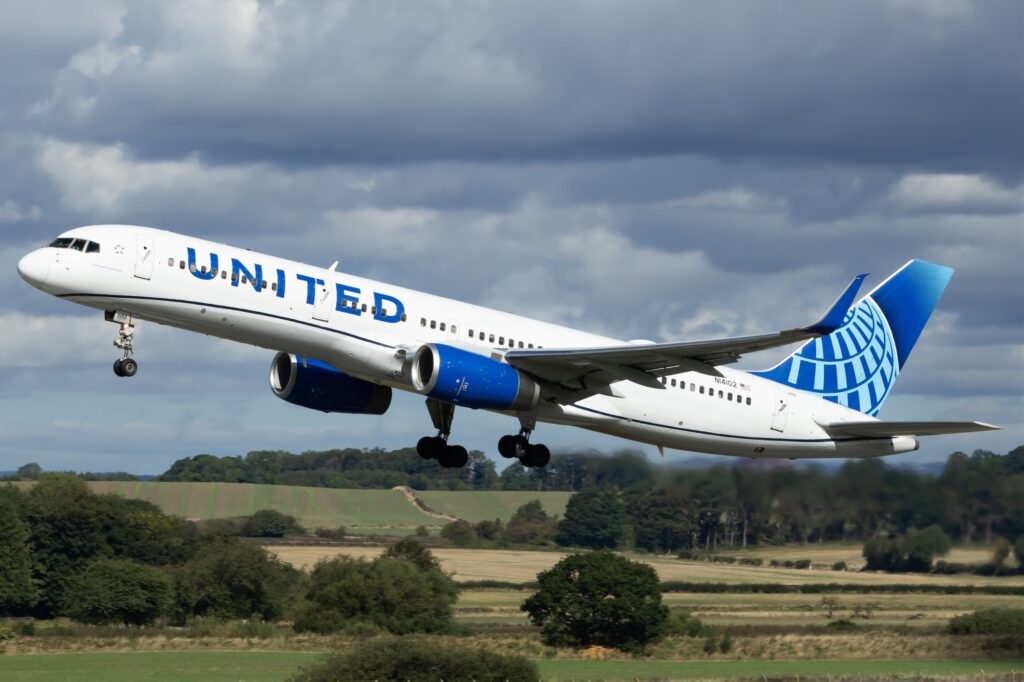
Unlike Delta, United operates a simpler cabin configuration across both variants. The aircraft are used on domestic charter, hub-to-hub and leisure services, but the airline stands apart for continuing to deploy the 757 on long, thin transatlantic routes. Once Icelandair exits the market, United will become the type’s sole scheduled operator across the Atlantic.
Smaller fleets survive in leisure markets
Beyond Delta and United, the remaining Boeing 757 operators all maintain relatively small fleets, primarily serving leisure destinations across Asia and Eastern Europe.
Azur Air (ZF) of Russia was once the third-largest operator, but sanctions have reduced its fleet of 10 aircraft to just two active 757s. They are mainly deployed between Russian cities and Turkish holiday destinations including Dalaman (DLM) and Antalya (AYT).
SkyLine Express (QU) operates five 757-300s, inherited from Azur Air Ukraine. However, three remain grounded in Kyiv due to the ongoing war, leaving only two aircraft flying German holidaymakers to Antalya from several cities across Germany.
Kazakhstan’s Sunday Airlines (DV) operates three 757-200s, making it the world’s fifth-largest active fleet. A subsidiary of SCAT Airlines, the carrier uses the aircraft for charter flights from Almaty to destinations including Antalya (AYT), Sharm el-Sheikh (SSH) and occasionally Nha Trang (CXR).
Meanwhile, Fly Khiva (2U) operates the smallest active fleet with two leased 757-300s from Icelandair. Both aircraft wear hybrid Fly Khiva-Icelandair liveries, with UK75007 still carrying Icelandair’s “100 Years of Icelandic Independence” special livery. The aircraft connect Uzbekistan with religious and leisure destinations such as Medina (MED) and Sharm el-Sheikh (SSH).
The countdown has begun
Unfortunately for fans of the Boeing 757, its remaining years appear limited. Delta and United are both well into fleet renewal programmes designed to replace the 757 and its larger sibling, the Boeing 767, with new-generation Airbus A321neo variants throughout the 2030s.
Azur Air’s future is even more uncertain, with ongoing parts shortages leaving much of its fleet parked at Moscow’s Vnukovo Airport. As for the smaller operators, little is publicly known about their long-term plans, but it is increasingly unlikely that the Boeing 757 will still be carrying passengers into the late 2030s or beyond.