
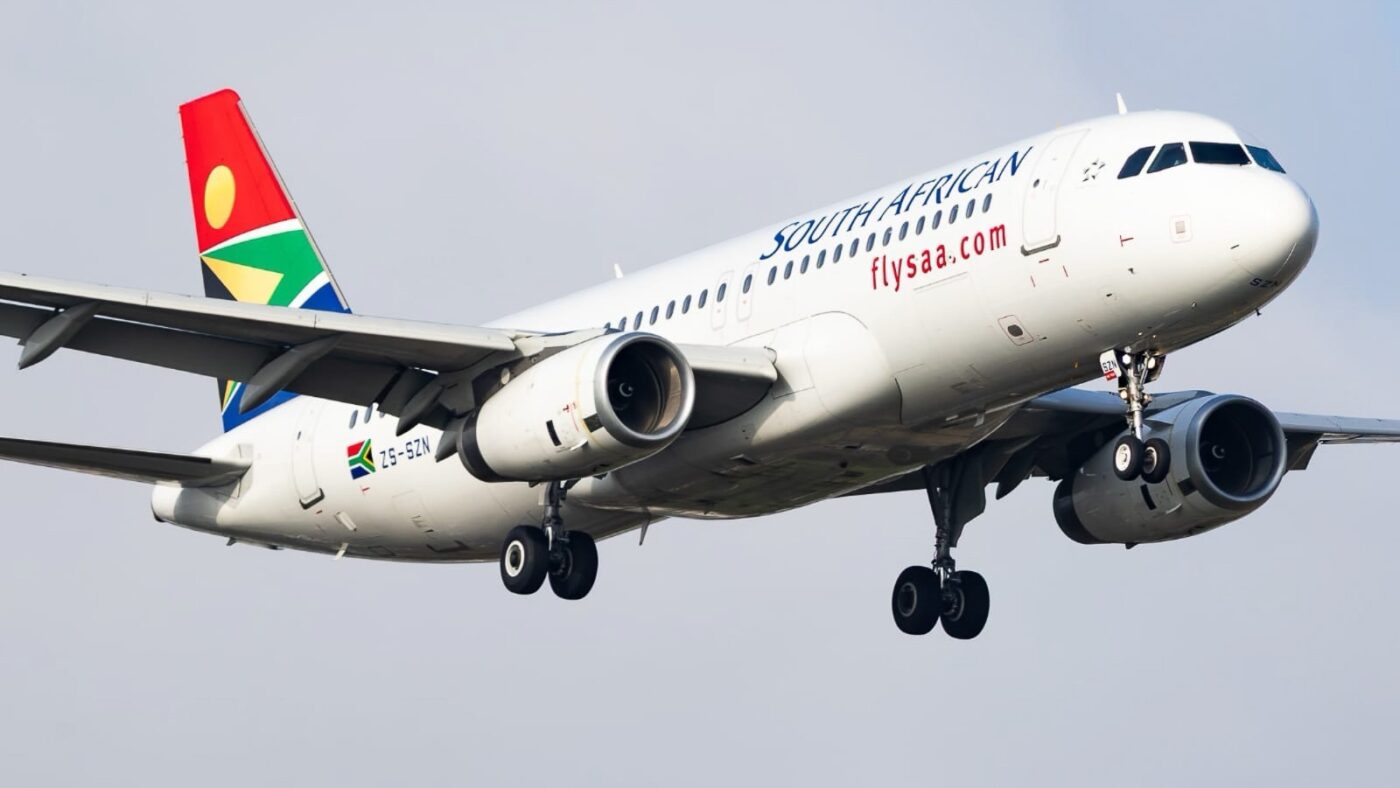
South African Airways is once again searching for a strategic equity partner, reopening a process that could play a major role in determining the airline’s future ownership, fleet plans and growth ambitions.
The South African government has approved a fresh process to identify a Strategic Equity Partner (SEP) for SAA, with the decision taken by Cabinet on 26 August 2026. The move comes more than two years after the proposed Takatso Aviation transaction collapsed, leaving the airline under state ownership.
SAA’s latest search comes at a notably different point in the airline’s history. Rather than attempting to find an investor while the carrier was fighting for survival, the government is now looking for a partner that can support an airline that has rebuilt its operations and is seeking to expand.
From Survival To Expansion
SAA emerged from business rescue in 2021 after years of financial difficulties, eventually returning to the skies with a much smaller operation than the airline had maintained before its restructuring.
Since then, the carrier has gradually rebuilt its network and fleet while pursuing a more commercially sustainable model. Its recovery has included the return of international services and the expansion of its African network, although the airline continues to face the same fundamental challenge confronting many carriers: growth requires significant capital.
That is where a strategic partner could become important.
A new investor could provide SAA with additional capital while bringing experience, commercial relationships and access to international markets. For an airline looking to expand its fleet and strengthen its position in Africa, those resources could have a direct impact on how quickly it can pursue its plans.
The government has also been looking to reduce its long-term financial exposure to the airline. Finding a suitable partner would therefore serve two purposes: giving SAA access to private-sector investment while gradually reducing the state’s role in financing its future.
Lessons From The Takatso Collapse
The new process also comes with the experience of SAA’s previous attempt to secure an equity partner.
In 2021, the Takatso Aviation Consortium was selected as SAA’s preferred strategic equity partner, with the proposed transaction involving a 51% stake in the airline. The deal was intended to bring private investment into SAA while allowing the government to retain a minority interest.
After years of negotiations and controversy surrounding the proposed valuation and structure of the transaction, the deal was ultimately abandoned in March 2024.
SAA consequently remained in state hands, while the search for a private partner effectively returned to the starting point.
The new process is therefore not simply a repeat of the Takatso negotiations. SAA enters it with several years of post-business-rescue operations behind it, giving potential investors a different picture of the airline and its prospects.
Finding More Than Just An Investor
The most important question will be what kind of partner the government can attract.
For SAA, simply securing an investor would not necessarily solve every problem. The airline needs a partner capable of supporting long-term growth, particularly as it competes with established African carriers, regional operators and increasingly aggressive low-cost airlines.
Fleet development will be particularly important. Expanding an airline’s network requires aircraft, and acquiring or leasing additional aircraft requires substantial capital. A stronger balance sheet could give SAA greater flexibility when making those decisions.
A strategic partner could also provide expertise beyond financing. An established airline group or aviation investor could potentially contribute experience in network planning, fleet management, commercial strategy and international partnerships.
That makes the identity of the eventual partner just as important as the amount of capital it brings.
Why SAA’s Next Move Matters
SAA remains one of the most recognisable airlines in Africa and an important part of South Africa’s international aviation network. Its future therefore extends beyond the airline itself.
A stronger SAA could play a larger role in connecting South Africa with other African markets and maintaining long-haul links that are strategically important to the country. At the same time, its expansion could intensify competition with airlines such as Airlink and FlySafair, which are also pursuing growth across Southern Africa.
The timing is particularly interesting. FlySafair is expanding beyond South Africa into markets such as Zambia, while Airlink continues to operate one of the region’s largest regional networks. SAA is therefore attempting to strengthen its position in an increasingly competitive market rather than operating in isolation.
The new strategic equity partner process could ultimately determine how aggressively the airline is able to respond.
For SAA, the objective is no longer simply to survive. The challenge now is finding the investment and expertise required to turn its recovery into sustainable long-term growth.
After the failure of the Takatso deal, the government has another opportunity to reshape the airline’s future. This time, the success of the process will depend not only on finding someone willing to invest in SAA, but on finding a partner that can help the airline become stronger, more competitive and less dependent on the state.