
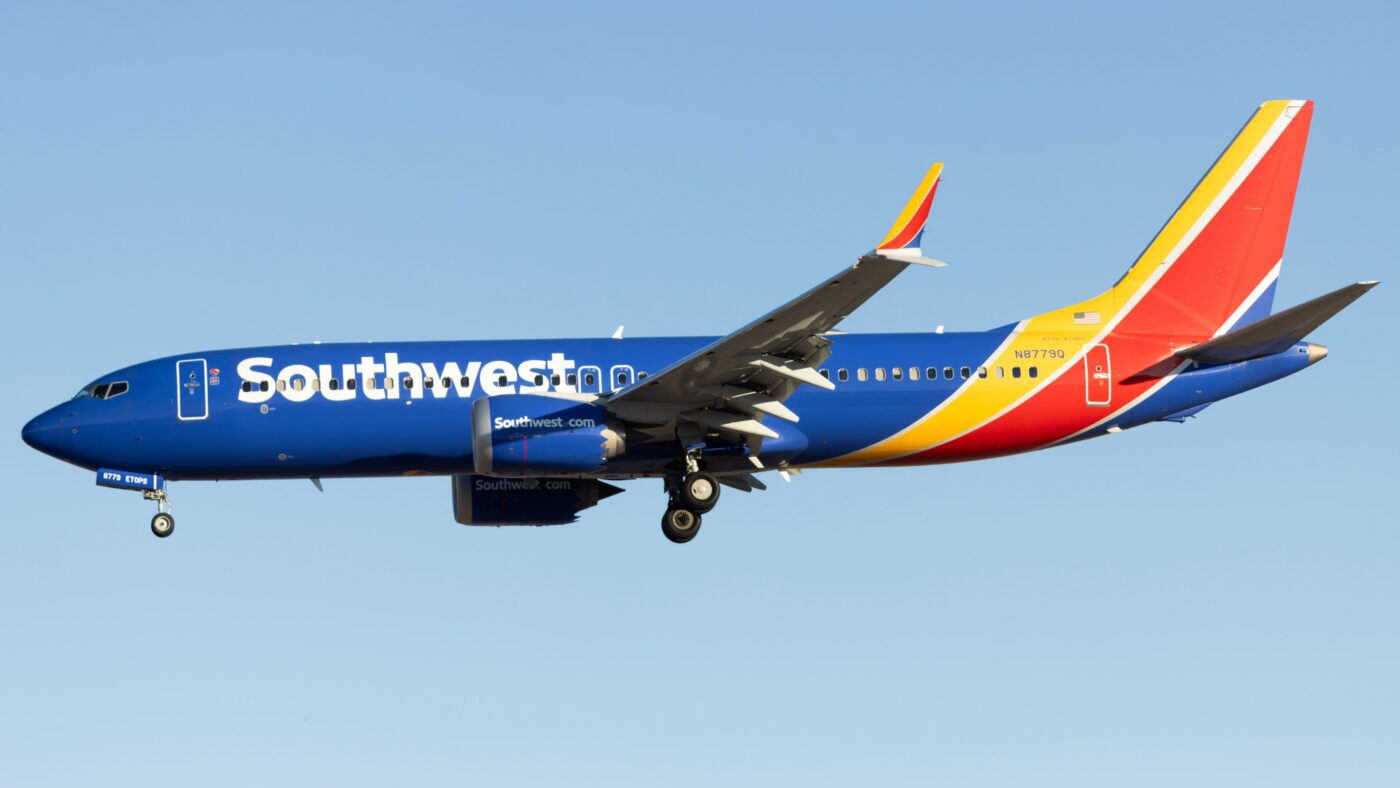
Southwest Airlines may be approaching one of the biggest changes in its fleet strategy since the carrier began operations in 1971. After decades of operating exclusively Boeing 737 aircraft, the American airline is reportedly examining widebody aircraft for a potential expansion into long-haul international markets.
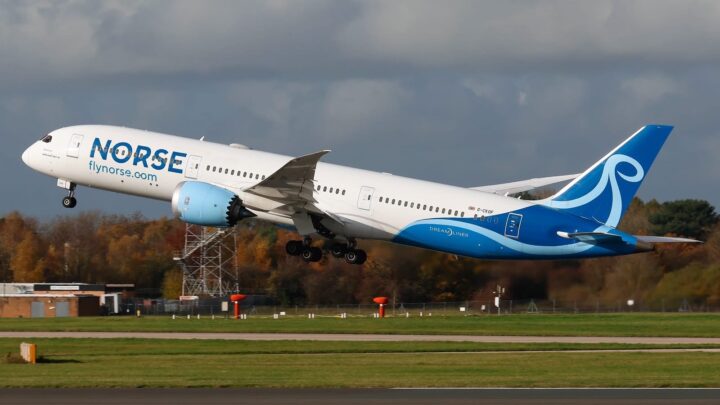
An investigation published by Reuters on 8 October suggests that the Boeing 787 Dreamliner is emerging as the leading candidate. Three unnamed sources familiar with Southwest’s internal planning told the news agency that discussions are underway, although no final decision has been reached.
The reported interest comes as Southwest continues to reshape its business model, moving beyond its traditional low-cost approach and exploring new ways to compete with larger US carriers.
Airbus and Boeing Compete for Southwest’s Future
While Boeing may currently have the advantage, Airbus is reportedly attempting to secure a place in Southwest’s future fleet.
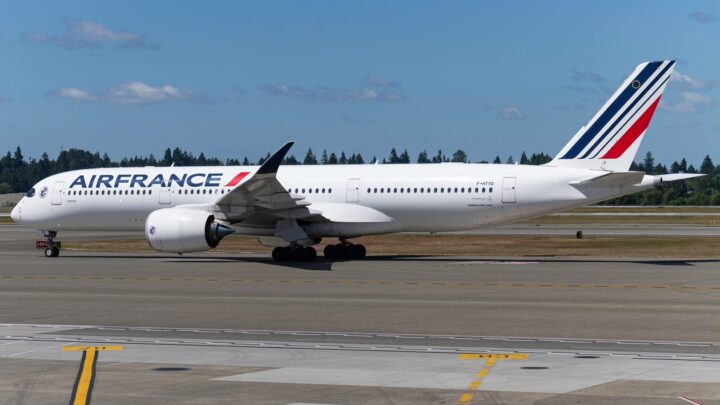
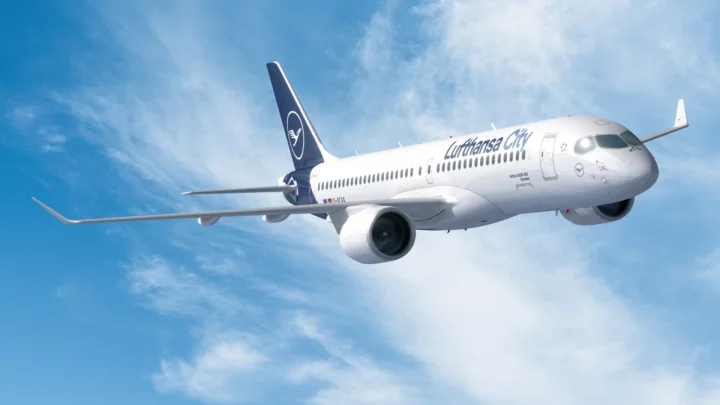
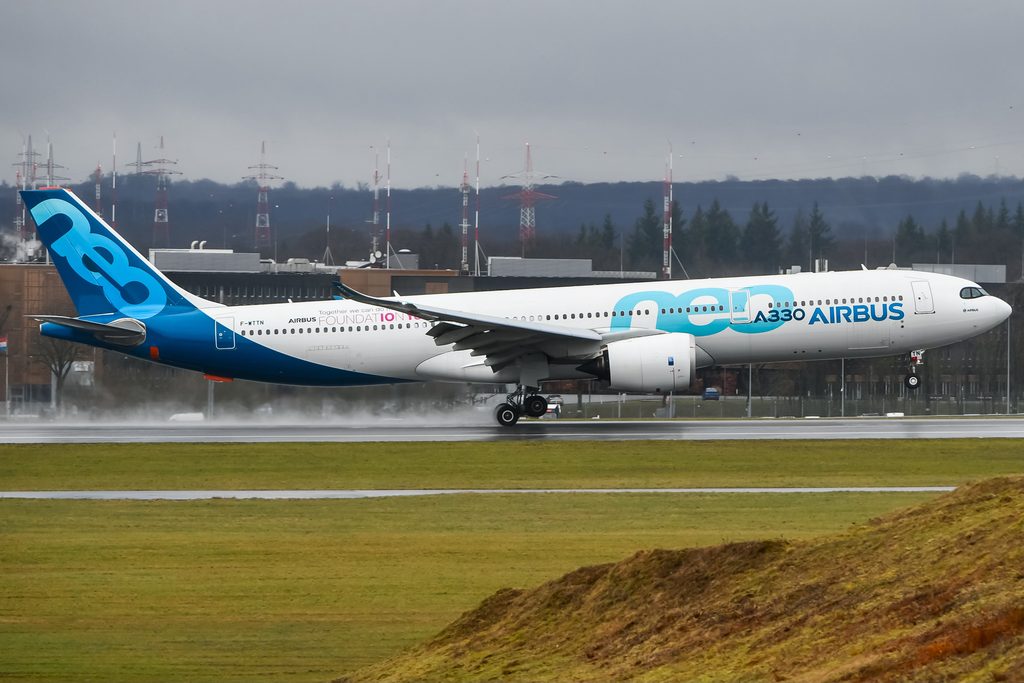
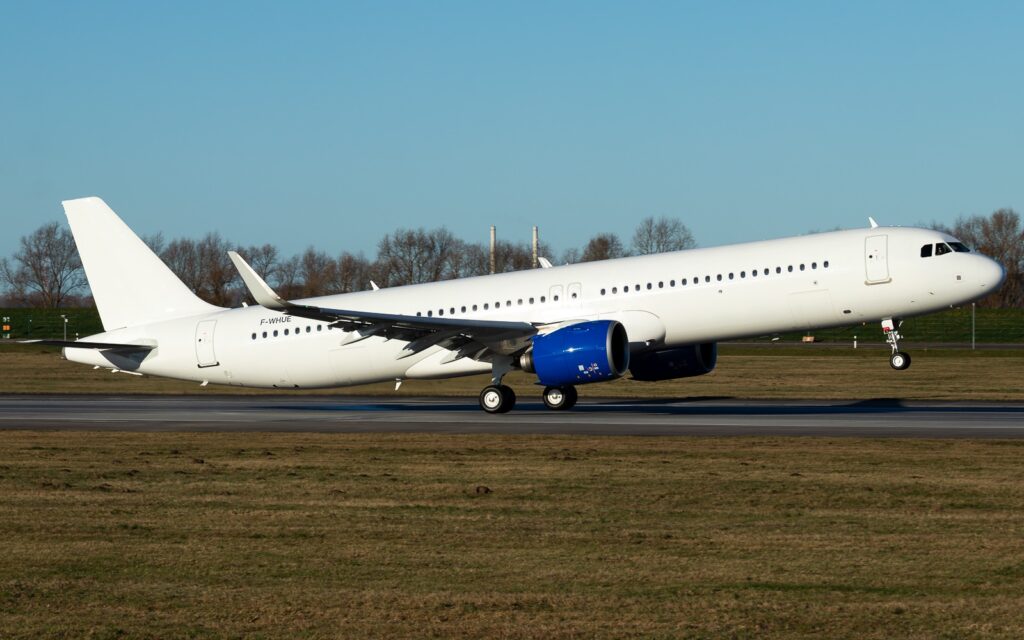
According to Reuters’ sources, the European manufacturer has presented the A330neo and A321XLR as possible aircraft for international expansion. The smaller A220 has also reportedly been discussed for other parts of Southwest’s network.
The proposals offer substantially different possibilities.
The Boeing 787 and Airbus A330neo would allow Southwest to operate long-haul routes with widebody aircraft, potentially opening destinations beyond the practical reach of its current fleet.
The A321XLR, meanwhile, offers a different approach. Its long-range capabilities could enable Southwest to serve selected international destinations using a smaller aircraft, potentially making routes with lower passenger demand more economically attractive.
However, introducing either manufacturer’s aircraft would represent a significant operational change.
Southwest’s reliance on the 737 has historically simplified maintenance, pilot training and fleet management. Establishing a second aircraft family would require additional infrastructure, personnel training and operating procedures.
Interestingly, Southwest Chief Operating Officer Andrew Watterson reaffirmed the airline’s commitment to the Boeing 737 MAX family as recently as June, citing the operational risks associated with introducing another aircraft type.
Long-Haul Ambitions Take Shape
The possibility of long-haul flying has already been discussed publicly by Southwest’s management.
Speaking in May, CEO Bob Jordan suggested that a relatively modest network of eight to twelve international destinations could meet a substantial share of existing customer demand.
Rather than developing a global network comparable to American Airlines, Delta Air Lines or United Airlines, Southwest could concentrate on a smaller number of strategically selected destinations.
Nevertheless, there are significant obstacles.
Reuters reports that Southwest has examined the possibility of leasing Dreamliners or acquiring existing aircraft, given the limited availability of new Boeing 787 production slots.
Sources also indicated that long-haul operations have been considered on a timeframe of approximately three years, although that remains unconfirmed.
For now, Southwest continues to modernise its existing fleet with Boeing 737 MAX aircraft. The airline reported operating 803 aircraft at the end of June 2026, all belonging to the 737 family.
Southwest has neither announced a widebody order nor publicly selected an aircraft manufacturer for its potential long-haul expansion.
Whether the airline ultimately chooses Boeing or Airbus, the discussions indicate that Southwest is considering a future in which the 737 may no longer be the only aircraft in its fleet.