
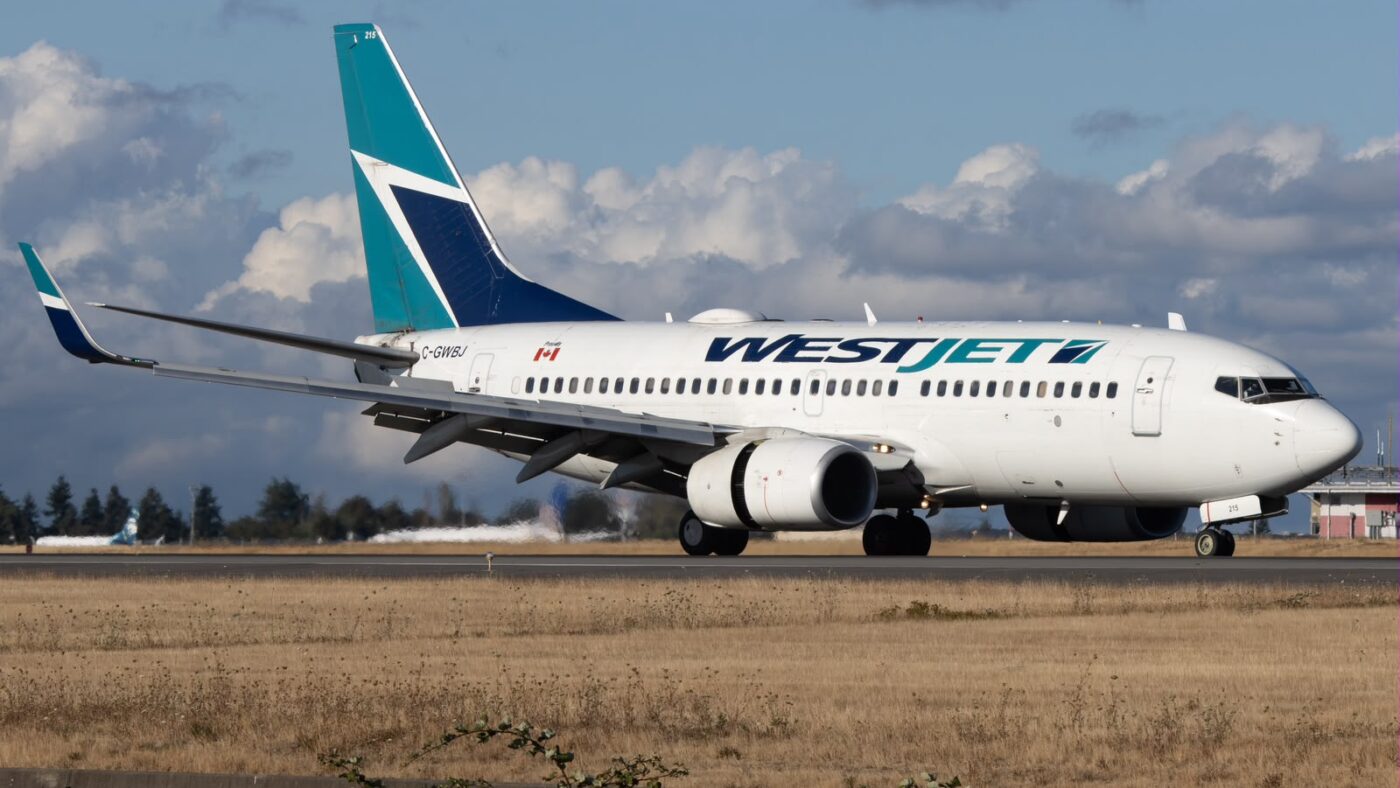
Operations across WestJet’s network were brought to a standstill on 2 August after approximately 4,400 cabin crew members represented by the Canadian Union of Public Employees (CUPE) commenced strike action, forcing the airline to cancel hundreds of flights during one of Canada’s busiest summer travel periods.
The industrial action centred on longstanding concerns over compensation, with the union arguing that flight attendants should be paid from the moment they reported for duty until they signed off at the end of their shift, rather than primarily for the time an aircraft was in motion. WestJet had tabled an offer including a 13% wage increase, annual salary adjustments, retroactive pay and additional duty pay premiums.
The disruption had an immediate impact on the airline’s operations. More than 600 flights were cancelled during the opening stages of the strike, affecting an estimated 250,000 travellers across WestJet’s domestic and international network. In anticipation of the work stoppage, the carrier had already begun parking portions of its Boeing 737 fleet.
The strike came to an end on 3 August after WestJet and CUPE reached a tentative agreement, allowing flight attendants to return to work while union members prepared to vote on the proposed contract. The agreement included improved recognition of ground duties alongside wage and quality-of-life enhancements.