
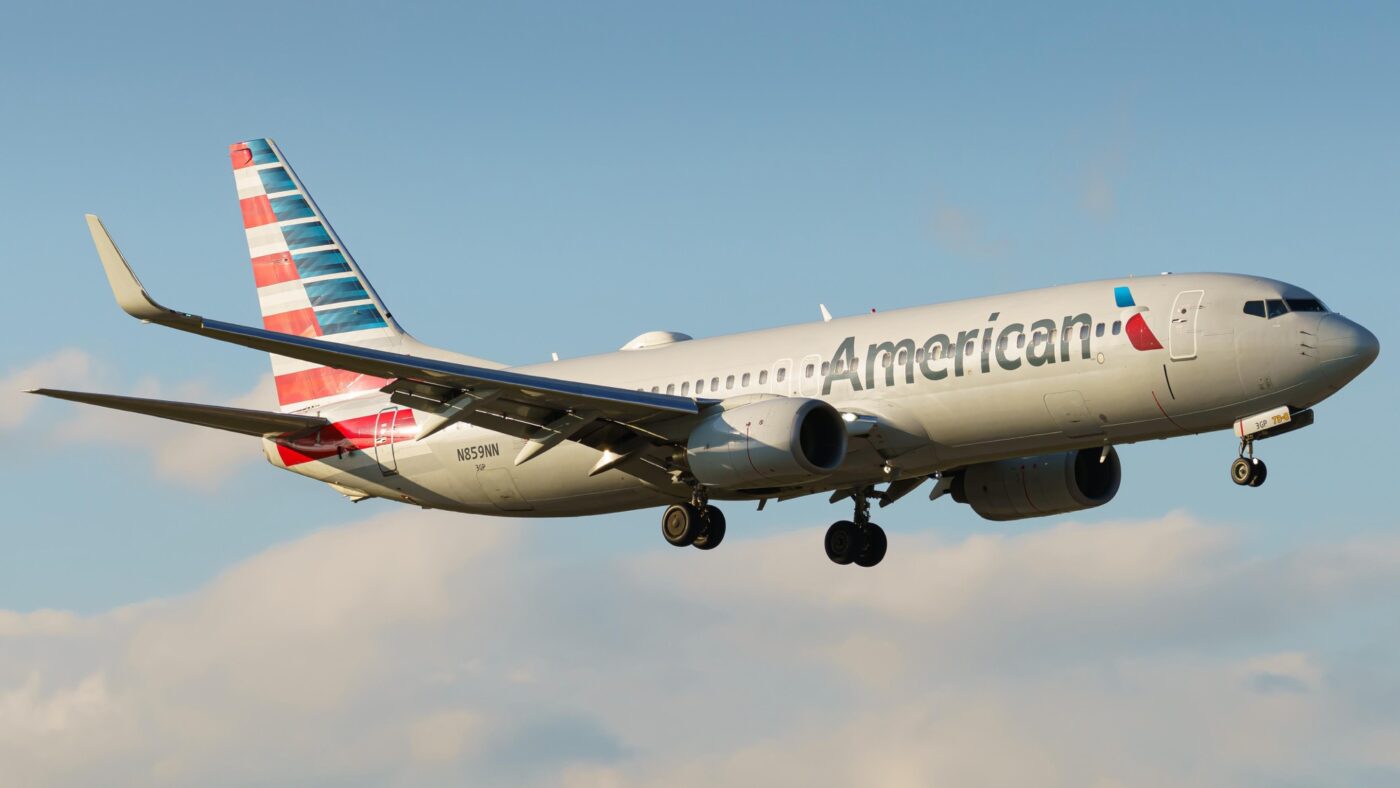
The US Federal Aviation Administration (FAA) has issued a new airworthiness directive requiring inspections of certain Boeing 737 Next Generation (NG) aircraft after multiple operators reported pitch oscillations associated with excessive freeplay in the horizontal stabiliser mechanism.
Published in the Federal Register on 19 October, the directive, AD 2026-20-14, applies to certain Boeing 737-600, 737-700, 737-700C, 737-800, 737-900 and 737-900ER aircraft.
The FAA estimates that 1,987 US-registered aircraft fall within its scope, with the requirements taking effect on 23 November 2026.
The directive does not apply to the Boeing 737 MAX. It requires operators to measure movement in the horizontal stabiliser’s pivot hinges and jackscrew, with further inspections, repairs or replacement of worn components required depending on the findings.
Excessive Movement Raises Safety Concerns
The horizontal stabiliser is the movable surface on the aircraft’s tail that helps control its pitch and maintain the aircraft’s trim. Its position is adjusted through a jackscrew mechanism, while pivot hinges support its movement.
Some free movement is expected within mechanical assemblies, however, excessive freeplay can affect how the stabiliser responds to aerodynamic forces and may contribute to unwanted oscillations.
The FAA said the directive was prompted by reports from multiple operators of pitch oscillation events linked to excessive horizontal stabiliser freeplay. If the condition is not addressed, the agency warned it could lead to flutter, a potentially dangerous aeroelastic vibration that can result in a loss of aircraft control. The inspections are intended to identify excessive movement before it develops into a more serious safety concern.
The directive therefore focuses on measuring the condition of the mechanism rather than requiring the replacement of components across the entire affected fleet.
Operators Must Follow Boeing’s Inspection Procedures
Under the directive, operators must measure freeplay at the left and right horizontal stabiliser pivot hinges and the jackscrew. The work must follow Boeing Alert Requirements Bulletin 737-55A1104 RB, dated 12 June 2025, which sets out the required inspection procedures and compliance schedule.
The results will determine what action is necessary. Depending on the measurements, operators may need to conduct further checks or repair or replace worn parts. Where additional inspections are required, these must be completed within the intervals specified in the applicable procedures.
The FAA has also rejected requests from operators to extend certain inspection intervals. Canadian North sought to extend the initial inspection threshold from 12 months to 36 months, while United Airlines requested longer repeat inspection intervals for aircraft fitted with replacement hinge bearings. The agency maintained that the prescribed compliance periods were necessary to ensure an acceptable level of safety, including for aircraft with repaired or newly replaced components.
It said individual requests for alternative compliance arrangements could still be considered where operators provide sufficient supporting data.
Inspection Cost Estimated at Upwards of $1 million USD
The FAA estimates that the initial freeplay measurement will require approximately six work-hours per aircraft, at an assumed labour rate of US$85 per hour. This places the estimated cost of the initial inspection at US$510 per aircraft, or approximately US$1.01 million across the 1,987 US-registered aircraft identified by the agency.
These figures do not account for all potential maintenance costs.
Additional inspections, repairs and component replacements would increase the total expenditure, although the FAA said it could not determine how many aircraft would require replacement parts or establish a definitive cost for those components.
The directive follows a proposed rule published in January 2026. After reviewing submissions from airlines, Boeing and other parties, the FAA adopted the measure with only minor editorial changes.
While the requirements are directed at aircraft registered in the United States, the directive concerns a model family operated by airlines around the world.
Its applicability to individual aircraft outside the United States will depend on the relevant national aviation authority’s requirements and the aircraft’s maintenance instructions.
The FAA’s directive does not mean that every Boeing 737 NG has developed the condition instead , establishing mandatory checks for aircraft within the specified applicability, allowing operators to identify excessive freeplay and take the required corrective action.