
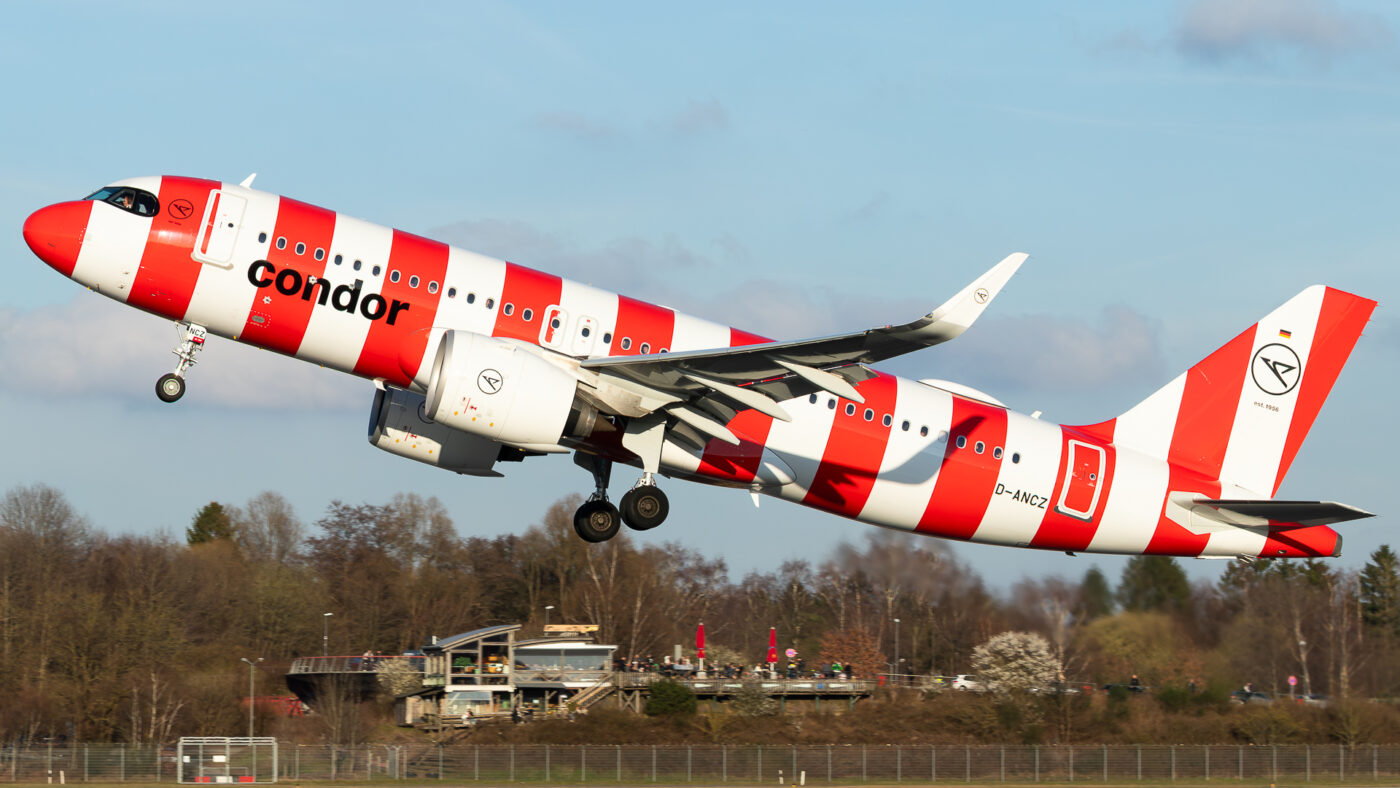
German airline Condor is targeting approximately 20% growth over the next three years as it continues its transformation from a traditional leisure carrier into a more independent network airline. Speaking at Routes World 2026 in Frankfurt, CEO Peter Gerber outlined plans to expand the airline’s fleet and route network while acknowledging the financial challenges facing the European aviation industry.
Despite rising operating costs and geopolitical uncertainty, Condor remains confident in its growth strategy. Gerber described the summer season as successful and reported resilient winter bookings, although demand for certain destinations, including Dubai, has weakened amid tensions in the Middle East.
The airline’s expansion will largely depend on its ability to strengthen long-haul operations while developing a European network capable of supplying connecting passengers through Frankfurt.
Additional Airbus Aircraft to Support Expansion
Fleet modernization remains central to Condor’s strategy. The airline currently operates 18 Airbus A330-900neo aircraft, with seven more on order, bringing its planned long-haul fleet to 25 aircraft by 2031.
Around four additional A330neos are expected to support the airline’s growth over the next three years. Further Airbus A320 and A321 family aircraft will expand its European operations, providing connections to long-haul flights from Frankfurt.
This approach marks a significant departure from Condor’s traditional business model. Previously reliant on leisure traffic and connecting arrangements with other airlines, Condor began establishing its own European feeder network in March 2025 following changes to its commercial relationship with Lufthansa.
By operating more connecting services independently, Condor aims to reduce its reliance on external partners and attract a broader passenger base. However, the strategy also requires sufficient demand across both short- and long-haul routes to remain economically sustainable.
Chicago Joins an Expanding International Network
Condor’s network development will continue in summer 2027 with the introduction of daily seasonal flights between Frankfurt and Chicago O’Hare, scheduled to begin on May 14.
The new route will connect Frankfurt with one of North America’s largest economic centers, offering opportunities beyond traditional holiday travel. Additional European destinations, including Athens, Florence and Stockholm, are also planned for summer 2027, strengthening connectivity through the airline’s Frankfurt hub.
Looking further ahead, Condor is examining potential opportunities in South America and East Asia. Brazil and China are among the markets under consideration, although Gerber emphasized that suitable partnerships and connecting traffic would be important prerequisites for future operations.
These ambitions reflect Condor’s intention to diversify its network rather than rely exclusively on established leisure destinations. Nevertheless, the airline must balance new opportunities against the financial pressures affecting its existing operations.
High Operating Costs Challenge Growth Plans
Germany’s aviation cost structure remains one of Condor’s greatest concerns. At Routes World, Gerber criticized the country’s comparatively high aviation taxes, security charges and air traffic control fees. He argued that certain aviation-related charges in Germany are approximately seven times higher than in Spain, placing German-based airlines at a competitive disadvantage.
The issue is particularly significant for Condor’s European feeder network, where strong competition limits the extent to which additional expenses can be passed on to passengers. Fuel prices are creating further uncertainty. Although Condor uses hedging agreements to reduce its exposure to price fluctuations, their protective effect will gradually decline as existing contracts expire.
Gerber warned that sustained cost increases could eventually lead airlines to reduce capacity, potentially toward the end of the winter season. For Condor, such developments would complicate efforts to expand its network while maintaining competitive fares.
The airline has therefore introduced a cost-saving program targeting approximately €100 million in annual savings during the 2026/27 and 2027/28 financial years. Around €65 million is expected to come from contract management and external services, with a further €35 million involving employee-related measures.
Ownership Changes and Frankfurt Hub Development
Alongside its operational expansion, Condor is preparing for a change in ownership. Investment firm Attestor, which currently holds 51% of the airline, exercised an option in September 2026 to acquire the remaining 49% held on behalf of the German federal government and the state of Hesse. Completion is scheduled for August 31, 2027, ending the public sector’s ownership involvement.
The transition follows Condor’s early repayment of its remaining €175 million KfW loan in spring 2026 and could provide greater flexibility for future investment decisions. Meanwhile, Frankfurt will remain central to the airline’s development. Condor plans to relocate its operations to the airport’s new Terminal 3 for the summer 2027 schedule, coinciding with the continued expansion of its connecting network.
The airline is also considering longer-term commercial opportunities, including a dedicated loyalty program, closer international partnerships and potentially joining an airline alliance. No firm commitments have been announced.
Growth Ambitions Meet Economic Reality
Condor’s planned expansion represents another important stage in its transformation. A modernized Airbus fleet, additional international destinations and a growing European feeder network are intended to strengthen its competitive position and reduce dependence on other airlines.
However, the coming years will test whether this strategy can deliver sustainable financial results. High operating costs in Germany, volatile fuel prices and increasing competition leave limited room for inefficient operations.
Achieving its 20% growth target will therefore depend not only on introducing additional aircraft and routes, but also on ensuring that its expanding network generates sufficient revenue to support long-term profitability.