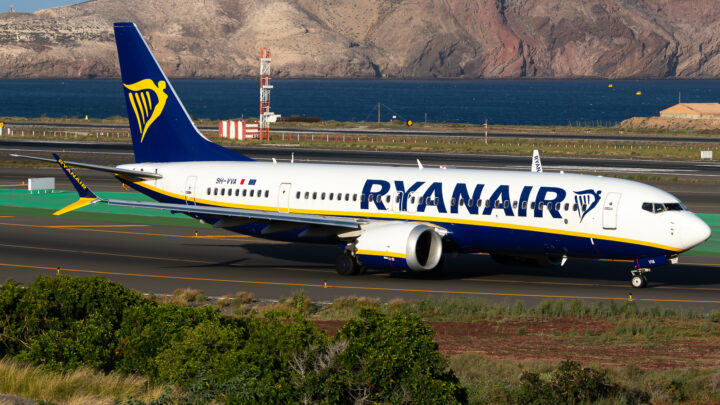

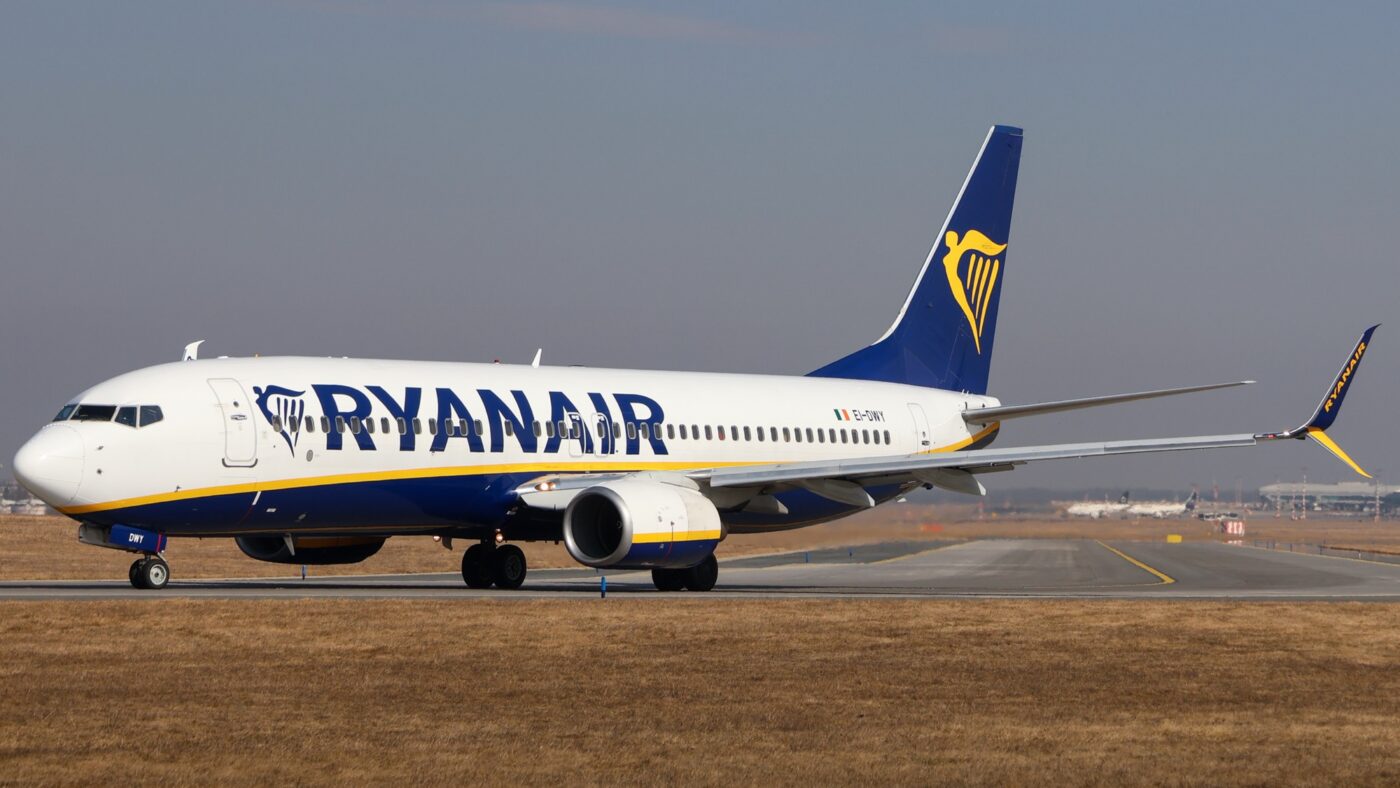
Ryanair has reported a 15% decline in its first-half profit for the 2026/27 financial year, despite carrying more passengers across its network and recording an increase in revenue.
The Irish low-cost carrier recorded an after-tax profit of €2.15 billion for the six months ended September 30, compared with €2.54 billion during the corresponding period last year. Passenger numbers increased by 6% to 125.8 million, up from 119 million a year earlier. Revenue also grew by 3% to €10.08 billion, although the additional traffic did little to protect the airline’s margins.
Average fares fell by 4% to €55.70, while operating costs increased by 10% to €7.69 billion.
Higher Operating Costs Weigh on Earnings
The decline in profitability was largely attributed to higher jet fuel expenditure, particularly the portion of the airline’s requirements not covered by existing hedging arrangements.
Ryanair has approximately 80% of its fuel requirements hedged at around $67 per barrel until March 2027. The remaining 20%, however, has been exposed to considerably higher market prices, which reached approximately $130 per barrel during the reporting period. The airline expects its fuel expenditure to increase further during the 2027/28 financial year. Based on current forward prices, its fuel bill could rise by approximately €2 billion.
Chief Executive Michael O’Leary warned that the financial outlook remains uncertain, particularly if instability in the Middle East continues to affect energy markets.
Ryanair Reviews Spending and Growth Plans
With operating expenditure continuing to rise, Ryanair is reviewing costs across its business in an effort to protect its financial position.
Measures under consideration include negotiations with airports, possible temporary pay freezes as labour agreements come up for renewal, changes to crewing arrangements and increased use of artificial intelligence across back-office functions.
The airline has also adjusted its passenger growth expectations for the current financial year, lowering its target from 216 million to 214 million travellers. Despite the pressure on earnings, Ryanair continues to pursue its fleet renewal and expansion plans, with the Boeing 737 MAX 10 expected to play an important role in its future operations.
Fleet Expansion Remains on the Agenda
The airline expects to receive its first 16 aircraft in spring 2027, subject to the remaining certification requirements being completed. The aircraft will offer approximately 20% more seats and deliver an estimated 20% reduction in fuel consumption compared with the aircraft they are intended to replace.
Ryanair also plans to increase passenger numbers to more than 220 million during the 2027/28 financial year, while maintaining its longer-term ambition of carrying more than 300 million passengers annually by 2034.