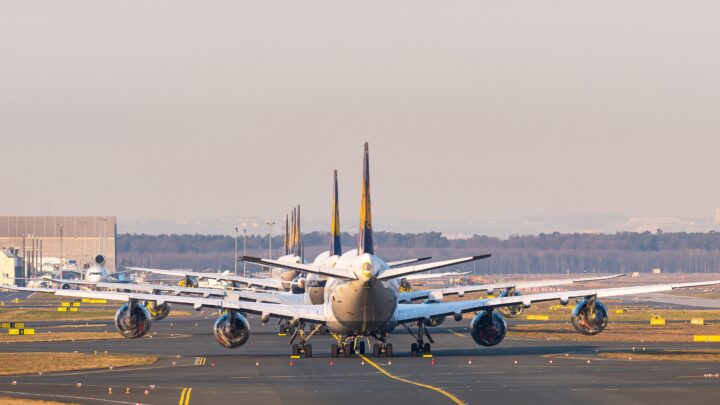

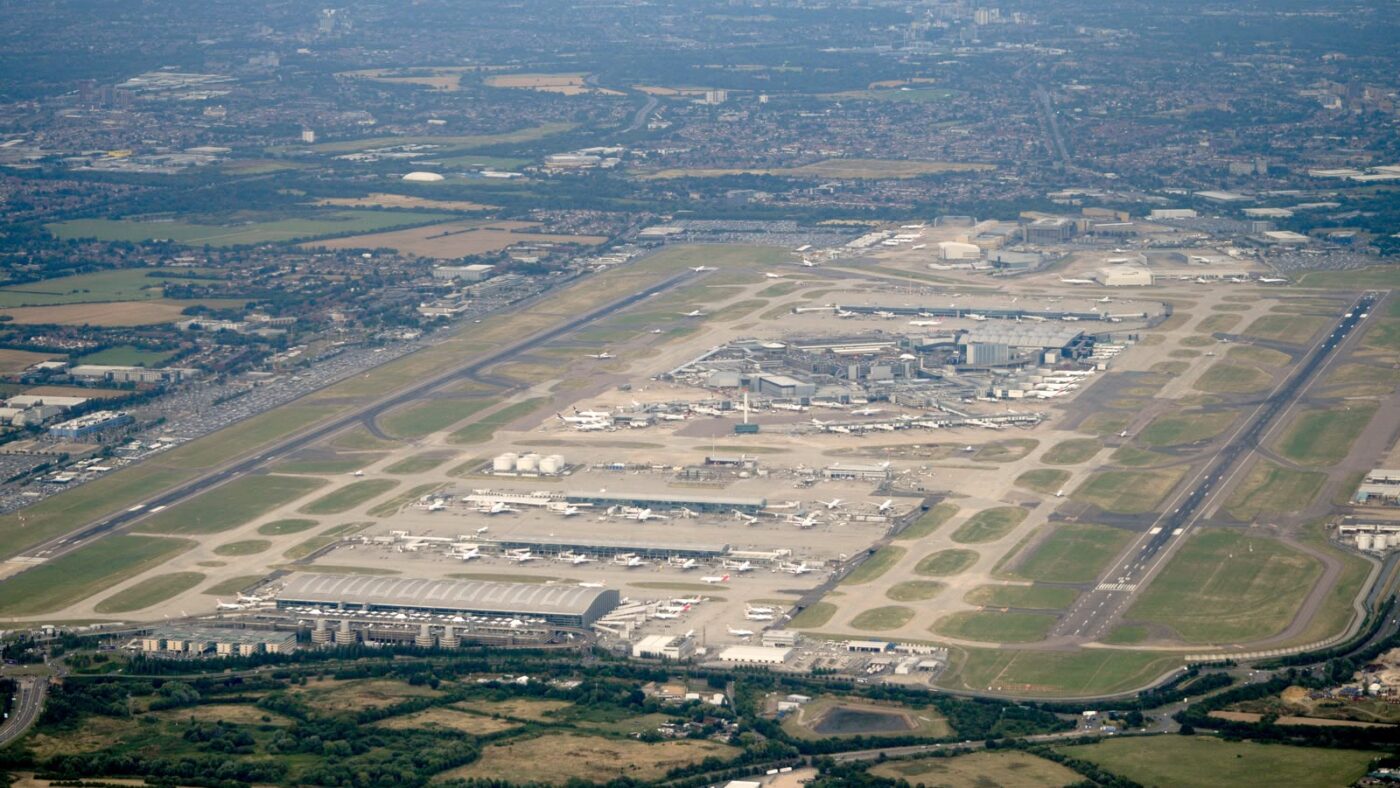
London, England, 08.09.2026—London Heathrow, one of the busiest airports in the world, has been hit by a major disruption after a technical failure in the United Kingdom’s air traffic control system. The problem began on Tuesday, 8 September 2026, and quickly affected airports across the country. Thousands of flights were delayed, cancelled, or diverted, and airlines had to change their plans at short notice. Although the technical problem was fixed later on Tuesday, its effects continued into Wednesday.
Heathrow one of the most affected airports
London Heathrow was especially badly affected because of its size and its large number of international flights. The airport normally handles hundreds of flights every day and connects London with destinations around the world. During the disruption, Heathrow temporarily stopped arrivals and restricted departures. By Tuesday evening, the airport announced that arrivals would remain suspended for the rest of the day, while some departures were allowed to restart. The numbers show how serious the situation was. According to flight-tracking data, around 100 flights were canceled and around 350 flights were delayed during the first stage of the disruption. Later reports showed that the total number of cancellations at Heathrow had risen to more than 500, with further cancellations expected on Wednesday.
Many flights had to be diverted
Another important part of the disruption was the large number of diversions. When Heathrow was not able to handle arriving aircraft, flights were forced to divert to other airports. At least 13 Heathrow-bound flights were diverted to airports in the UK and Europe during the early part of the outage. The situation became even more critical as the day progressed. A report based on flight-tracking data showed around 70 diverted flights connected to the wider disruption. These flights were sent to airports in different countries, including France, Germany, and the Netherlands. Paris Charles de Gaulle received the largest number in the data, with 11 diversions. Other flights went to Frankfurt, Amsterdam, Munich, Düsseldorf, Hamburg, and other airports.
What caused the disruption?
The main cause was a technical problem in the flight processing system operated by NATS, the organization responsible for air traffic control in the UK. NATS confirmed that the problem was inside its flight processing system and said that engineers were working to restore normal operations. The system is important because it helps process information about flights and supports the work of air traffic controllers.
The problem started at around 1 p.m. on Tuesday and continued for several hours. NATS later said that the technical issue had been fixed, but the aviation system could not immediately return to normal service.
Importantly, officials have said that there is no evidence that the incident was caused by a cyberattack. The UK government has ordered NATS to provide a report about what happened within one week. The Civil Aviation Authority will also carry out an independent review because the incident is not the first major failure involving the UK’s air traffic control system in recent years.
Other UK airports affected
Heathrow was not the only airport with serious problems. The disruption spread across much of the UK because NATS controls a large part of British airspace. Airports including Gatwick, Stansted, Manchester, Birmingham, Edinburgh, Glasgow, Aberdeen, Luton, and Bristol all reported delays or cancellations. Dublin Airport in Ireland was also affected because flights between Ireland and the UK use the affected airspace.
The overall numbers were very high. On Tuesday, around 1,300 flights to and from UK airports were cancelled, according to Flightradar24 data reported by Reuters. By Wednesday, the total number of cancellations had risen to around 2,000, while more than 330,000 passengers were estimated to have been affected.
London Gatwick, Manchester, and other airports also had to deal with the effects of the disruption. Some airports received diverted aircraft, while others had to manage passengers whose original flights could no longer operate.