
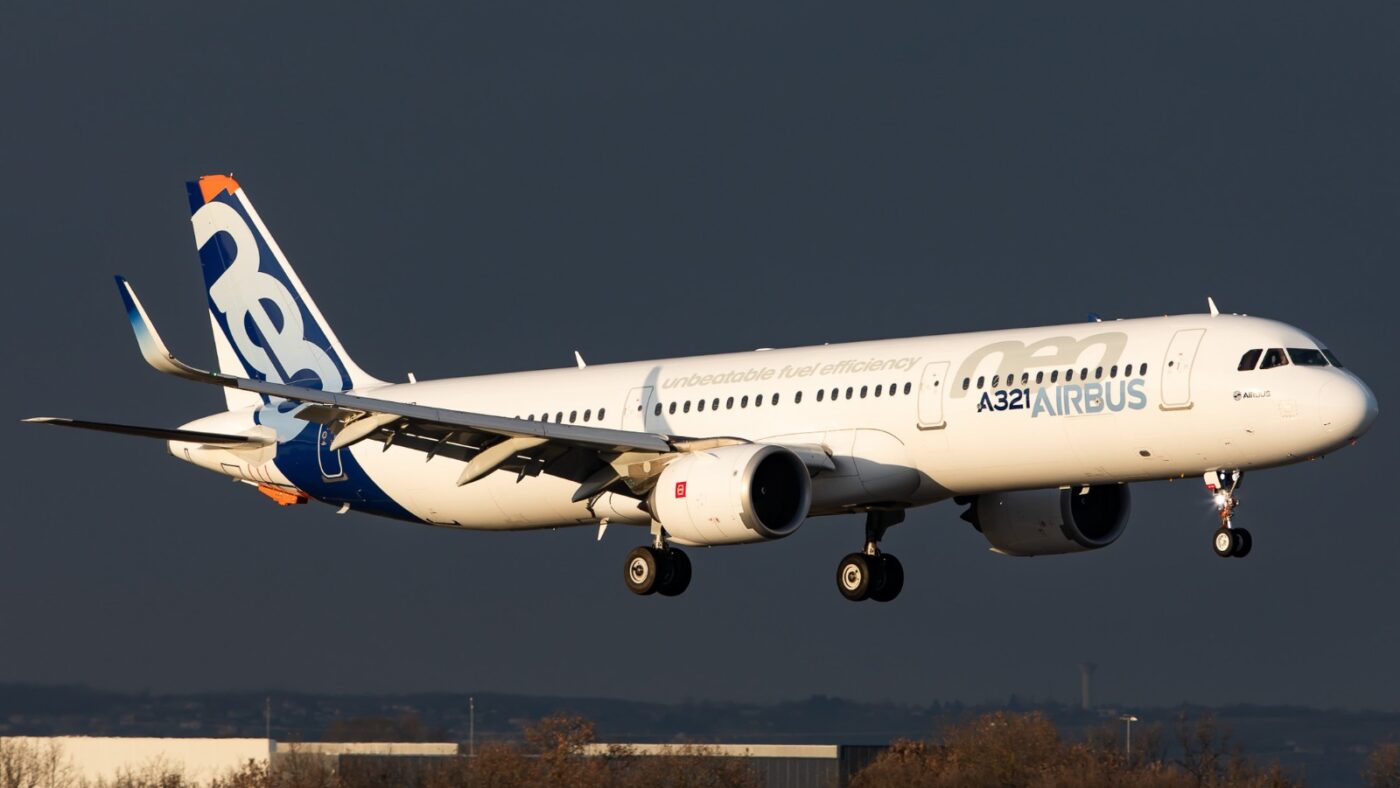
Airbus is investigating a manufacturing defect affecting around 500 A321neo aircraft after inadequate corrosion protection was discovered on internal fuselage components. The issue covers aircraft already delivered to airlines and others still in production, adding repair work as the manufacturer pushes to increase deliveries.
The aircraft can continue flying, according to Airbus, which says the defect does not pose a safety risk. The Air Current first reported the problem on 24 September.
Supplier investigation underway
Reuters reported on 28 September that engineers from Airbus and Leonardo were working at Italian coatings supplier TESI to investigate the cause and support corrective work. According to the report, a technician uncovered gaps in protective primer beneath paint on a fuselage component.
Airbus has declined to publicly identify the supplier. Leonardo confirmed TESI was among its suppliers for the A321neo programme but did not confirm that it performed the coating work involved in this case. TESI did not respond to Reuters’ requests for comment.
The affected components are stringers in the lower forward fuselage. These structural reinforcements run along the aircraft’s body. Airbus said the surface-protection deviation was identified during routine rework and originated with a supplier further down its supply chain.
What the A321neo repairs involve
In a statement provided to Aviacionline, Airbus said it had contained the source of the problem and developed a remedy. Newly coated stringers meet the required specifications.
The manufacturer also said the repair does not require the stringers to be removed. Once the corrective work is completed, the aircraft returns to its intended design condition.
Latest reporting indicates that airlines accepting affected aircraft will have two years to complete repairs, compared with the usual four-year maintenance cycle. The work could require up to nine days overall, including two to three days for the core repair. Those timings were attributed to sources familiar with the matter.
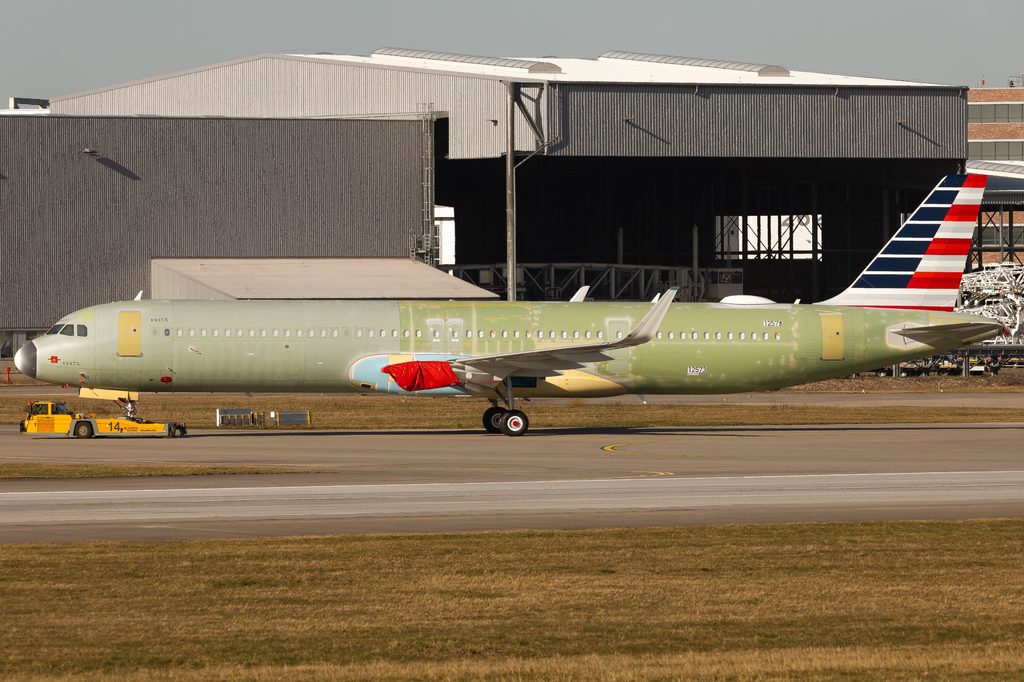
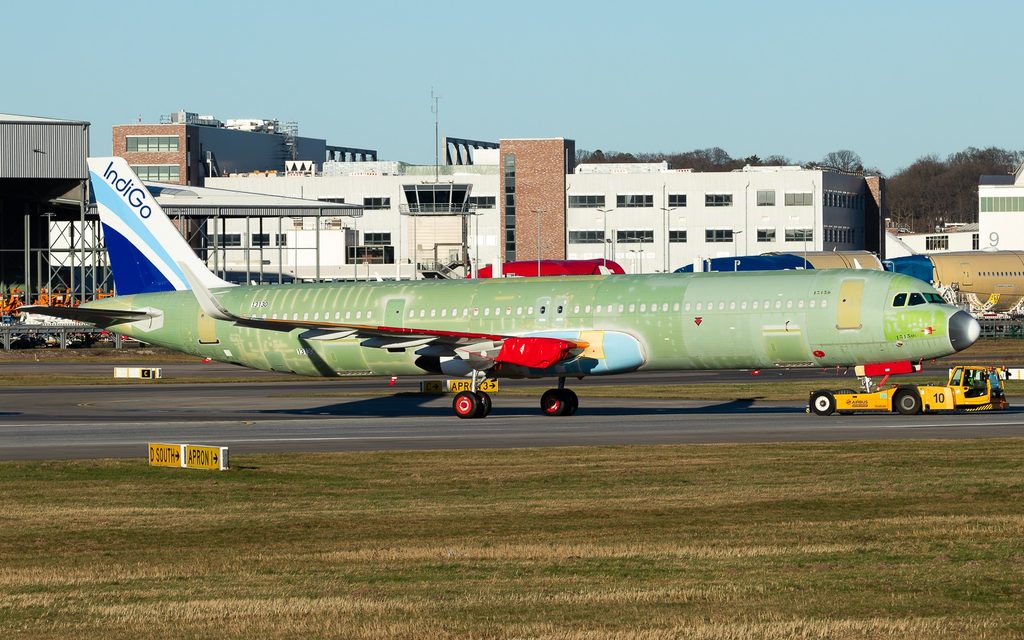
Approximately 250 aircraft are at various stages of production, according to The Air Current, including jets awaiting delivery. Aircraft handed over without the correction will need inspections and rework during their operating lives.
Delivery target remains unchanged
Airbus maintained its existing 2026 delivery guidance after confirming the defect. The manufacturer is targeting around 870 commercial aircraft deliveries this year, having handed over 475 between January and August.
That leaves a substantial volume of deliveries for the final four months. Any additional factory work creates another demand on production capacity, while repairs after delivery require coordination with airline maintenance schedules.
Industry sources told Reuters that some customers continued accepting affected aircraft with concessions linked to future maintenance. The availability of a repair therefore allows deliveries to proceed, although the work still has to be accommodated.
The remaining questions concern the full operational impact: which individual aircraft need attention, how airlines schedule the work and whether rework slows Airbus’s delivery progress. Operating an A321neo alone does not establish that an airline’s aircraft is included in the affected batch.