
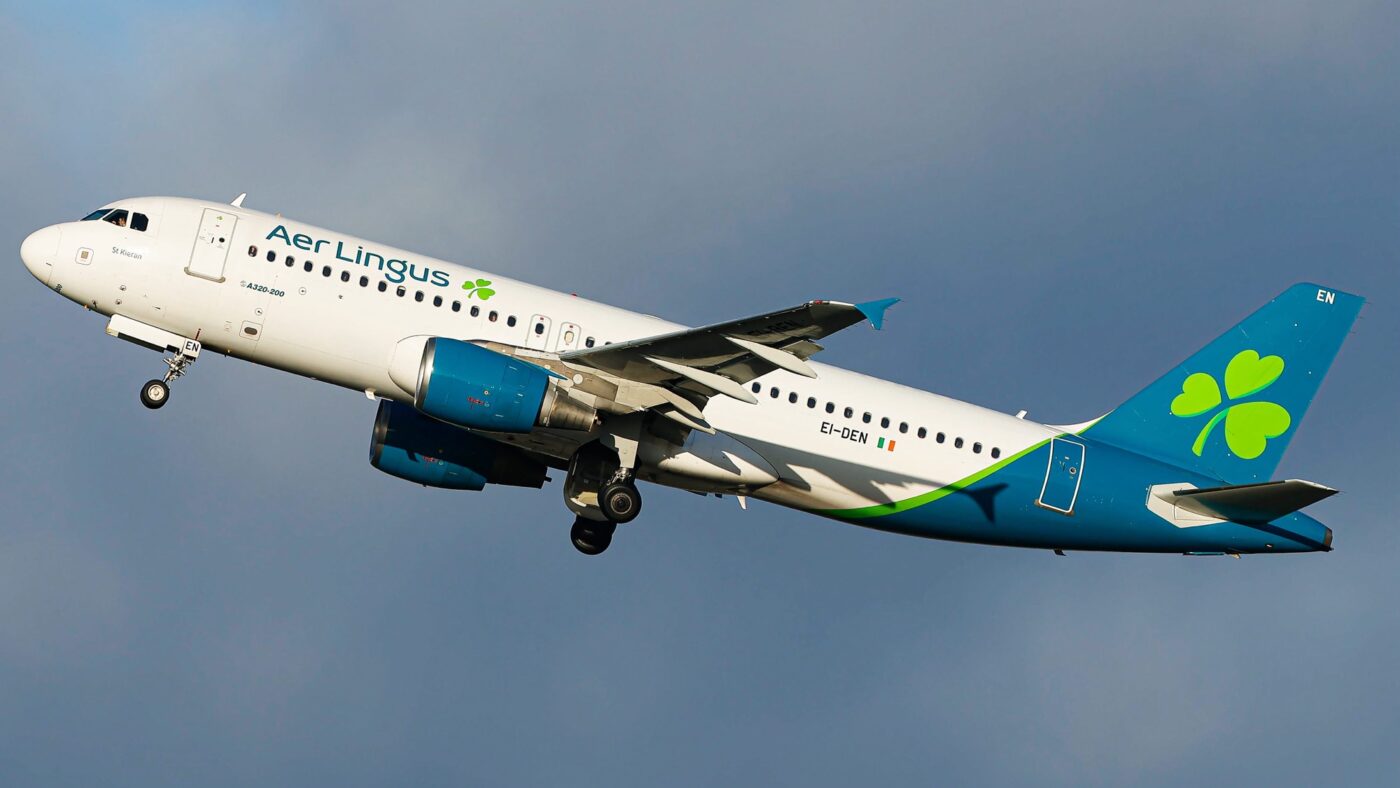
An Aer Lingus flight travelling from Dublin to Rome was diverted to France on Thursday, 5 November, after a bomb threat was reported against the aircraft.
The Airbus A320, operating flight EI402, landed at Évreux-Fauville Air Base in northern France as a security precaution, with 151 passengers and six crew members on board. All passengers and crew were moved to safety while bomb disposal teams began inspecting the aircraft. The flight had departed Dublin at approximately 06:25 local time and was escorted towards its diversion airport by a French Rafale fighter jet, according to French media reports.
The incident is the latest in a series of bomb threats involving commercial passenger flights across Europe, with several airlines facing similar alerts over the past few weeks. Thursday’s incident also comes just two days after at least seven aircraft were targeted in a separate wave of threats, prompting diversions, airport closures and security inspections across several countries.
Another Wave of Threats Hits European Airlines
Thursday’s incidents have not been limited to Aer Lingus. Several other airlines reported security alerts, with aircraft either diverted or subjected to additional precautionary measures.
Three aircraft were reported to have made emergency landings in Bulgaria following bomb threats. Flights from Copenhagen and Madrid landed in Sofia, while another service from London was diverted to Plovdiv.
Finnair was also affected after a flight travelling from Helsinki to Rome received a bomb threat. The aircraft was escorted by Italian Air Force units before landing at its intended destination. Another Helsinki service, operated by Jettime on behalf of Finnair, landed normally in Vienna following a similar alert.
In the Czech Republic, police reported threats against four aircraft heading to Prague, although authorities assessed the credibility of the reports as low. LOT Polish Airlines also confirmed that a Warsaw-Brussels service had landed safely following a security warning, with no suspicious items found. A separate flight bound for Paris was stopped while taxiing for departure, with passengers transferred to another aircraft as a precaution.
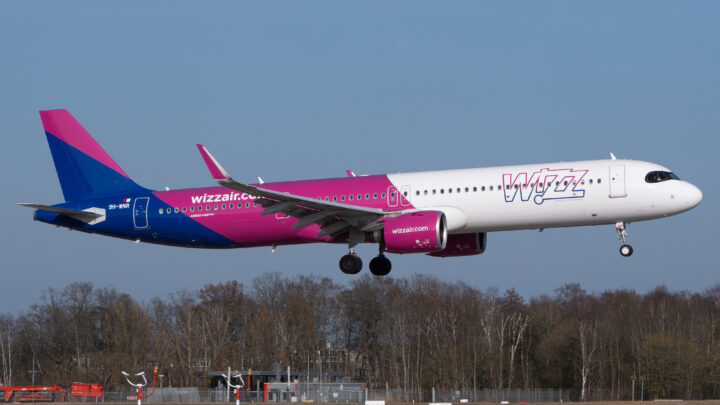
Wizz Air was among the other carriers affected, with a flight travelling from Milan to Warsaw reportedly diverted to Vienna.
Seven Aircraft Targeted Earlier This Week
The wave follows a particularly disruptive day on 3 November, when at least seven passenger aircraft across Europe received bomb threats.
The incidents involved Ryanair, Wizz Air, LOT Polish Airlines and SAS, with aircraft operating across routes between the United Kingdom, Ireland, Denmark, Portugal, Italy, Spain, Poland and Bulgaria.
Ryanair accounted for four of the affected flights. Two services travelling from Lisbon and Dublin to Rome were subjected to security searches at Rome Fiumicino Airport, while another flight from Manchester to Murcia in Spain prompted the airport to activate its emergency security procedures. Passengers disembarked as authorities inspected the aircraft and their belongings.
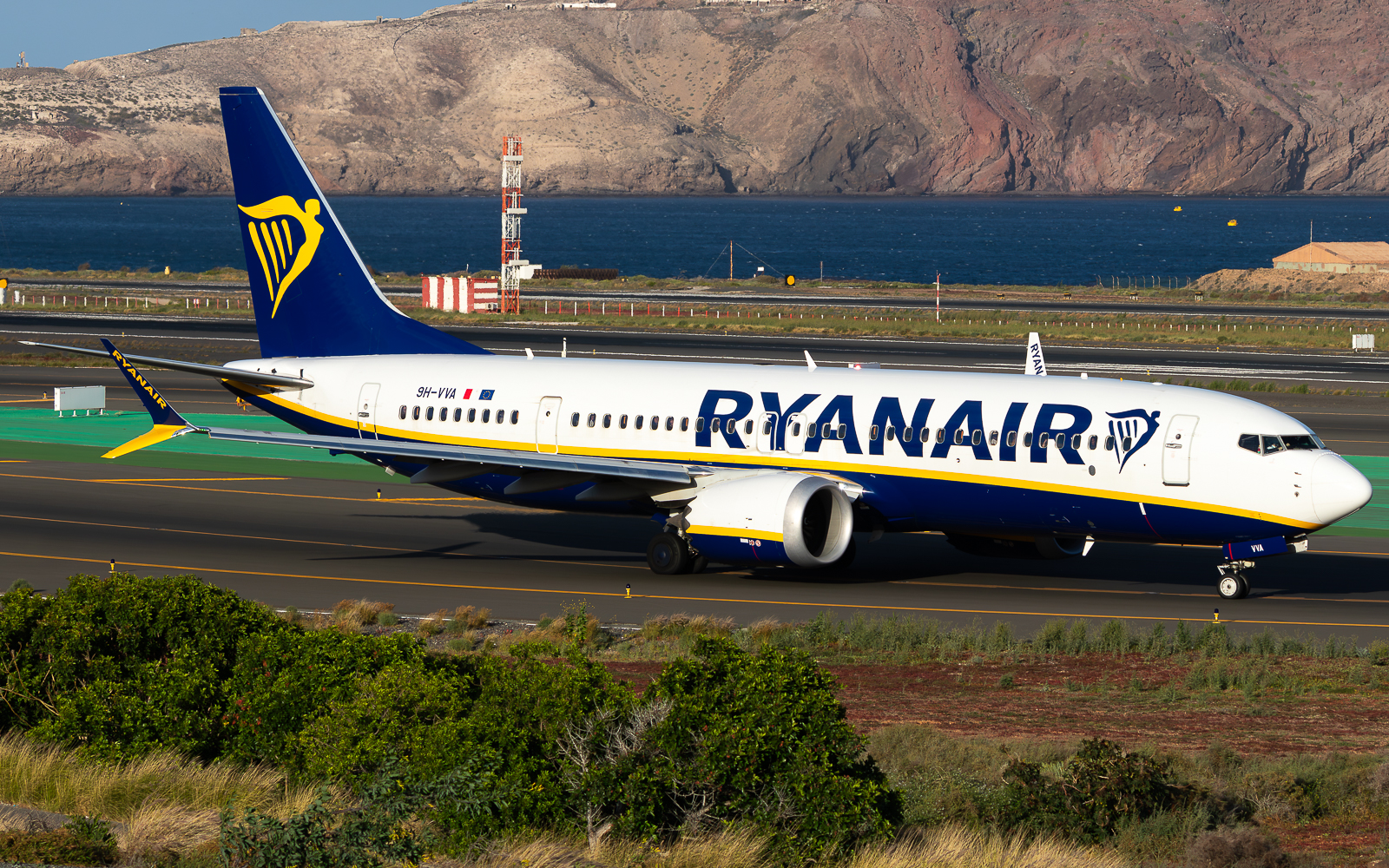
A further Ryanair service travelling from Dublin to Sofia, Bulgaria, also received a threat. The aircraft landed safely with 185 passengers on board, with subsequent inspections finding no explosive devices.
Wizz Air’s Milan/Bergamo-Sofia service was another target. The Airbus aircraft landed in Bulgaria with 176 passengers, where security teams carried out inspections. No explosive devices were found.
LOT Polish Airlines and SAS were also caught up in the incidents. A LOT flight from London Heathrow, originally scheduled to land at Warsaw Chopin Airport, was diverted to Warsaw-Modlin Airport following a threat. The airport temporarily suspended operations while the aircraft was inspected.
A separate SAS service from Copenhagen to Warsaw landed at Chopin Airport, where passengers disembarked and the aircraft underwent security checks.
The incidents followed another diversion on 2 November, when a Wizz Air flight travelling from London Luton to Sofia was forced to divert to Budapest after a bomb threat was received during the flight. Hungarian Gripen fighter jets were scrambled to escort the aircraft to the airport, where passengers and crew were safely evacuated.
Incidents Stretch Back Into October
The recent wave of threats is not entirely new. On 18 October, an Austrian Airlines Airbus A320 travelling from Tel Aviv to Vienna diverted to Sofia after a bomb threat was reported while the aircraft was flying over Romania.
A Bulgarian Air Force MiG-29 escorted the aircraft towards Sofia, where it landed approximately 30 minutes after the alert was raised. The 51 passengers and six crew members were evacuated while security teams inspected the aircraft. No threat was found, and the service continued to Vienna with all passengers on board.
Are the Threats Connected?
With several airlines and countries now involved, questions have been raised over whether the incidents are isolated hoaxes or whether there is a degree of coordination behind them.
The UK government described the threats reported on 3 November as malicious hoaxes, while authorities in several countries have confirmed that searches did not uncover explosives or suspicious items. The repeated alerts have attracted attention from aviation security specialists, particularly as European countries continue to deal with other forms of suspected hostile activity.
There have also been concerns about possible links to hybrid disruption campaigns, which can include cyberattacks, sabotage and attempts to interfere with essential services.
European officials have previously accused Russia and Iran of involvement in such activities, although neither country has been publicly linked to this particular series of aviation threats.
Investigators have yet to establish whether the individual alerts are connected.