
LONDON — The aviation industry is facing another major cost shock. Rising jet fuel prices, driven in large part by the ongoing conflict in the Middle East, are putting pressure on airlines around the world. While demand for air travel remains comparatively resilient, carriers are increasingly caught between higher operating costs and the need to keep fares attractive to passengers.
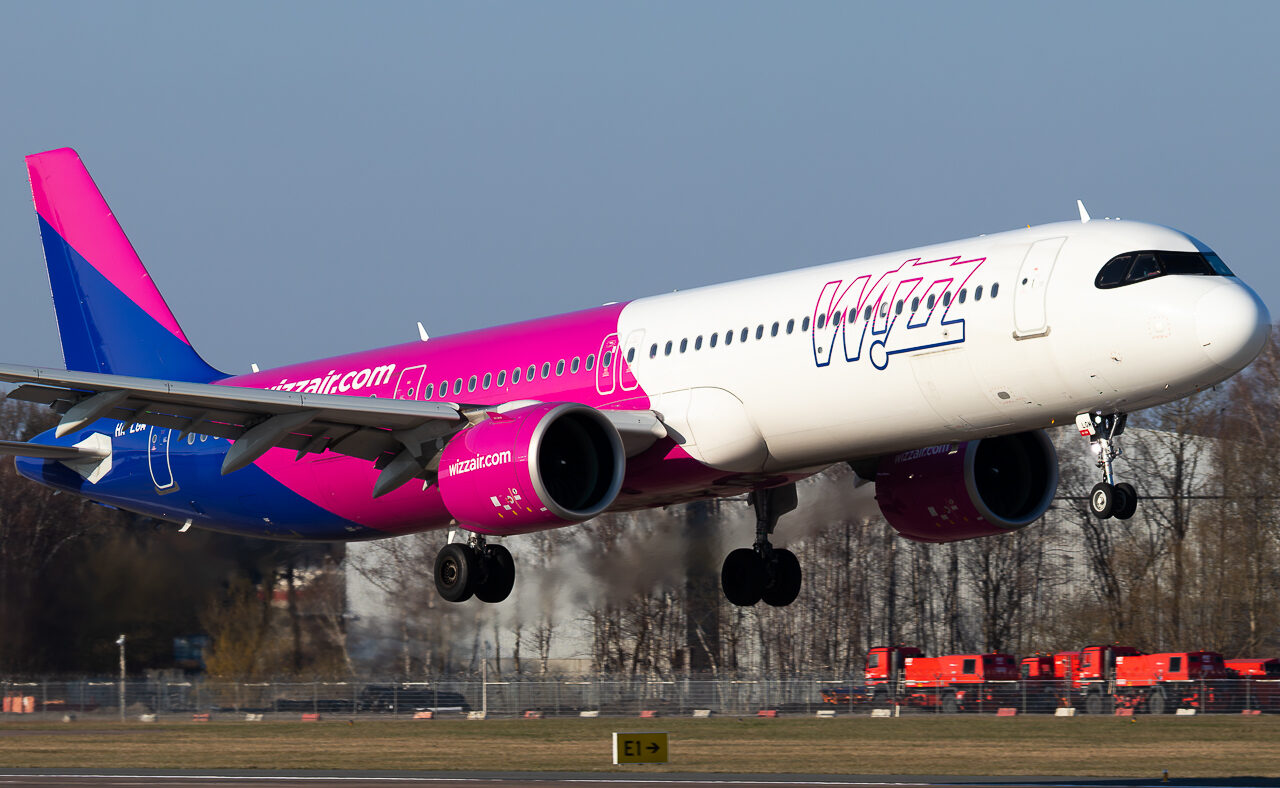
The impact is already becoming visible in airline network planning. Wizz Air announced on Thursday that it will reduce its planned capacity for the second half of its financial year by around 5 percent, citing the continuing pressure from elevated and volatile fuel prices.
Fuel Becomes a Major Cost Driver
Fuel has traditionally been one of the largest expenses for an airline. In 2026, however, its importance has increased significantly. According to the International Air Transport Association (IATA), fuel is expected to account for around 31.4 percent of global airline operating costs this year, compared with 25.4 percent in 2025.
IATA estimates an average jet fuel price of approximately US$152 per barrel for 2026.
For airlines, the price of crude oil is only part of the equation. Between crude oil and the jet fuel actually burned by aircraft lies the so-called crack spread, the difference between the price of crude oil and the price of the refined petroleum product.
That spread has also remained unusually high. As a result, even if crude oil prices stabilize, refining capacity, transportation and regional supply constraints can continue to keep jet fuel expensive.
Wizz Air Is Not Alone
Wizz Air’s decision is therefore not an isolated case. Major US carriers are also adjusting their capacity plans.
American Airlines, United Airlines and Southwest Airlines have reviewed or reduced parts of their planned schedules as higher fuel costs put additional pressure on their businesses. American Airlines expects roughly US$1 billion in additional fuel costs during the fourth quarter compared with previous assumptions.
What makes the situation particularly interesting is that the airlines are not necessarily responding to a collapse in demand. Instead, they are reassessing which flights remain economically viable under the new cost environment.
This changes the logic behind network planning. A route that previously generated an acceptable margin can become significantly less attractive when fuel costs rise. Airlines may then reduce frequencies, deploy smaller aircraft or remove seasonal services altogether.
Why Low-Cost Carriers Have Little Room for Error
The development is particularly relevant for low-cost airlines. Their business models depend heavily on high aircraft utilization, short turnaround times and keeping the cost per available seat as low as possible.
There is therefore limited room to absorb a sudden increase in fuel expenses.
Higher costs cannot simply be passed on to passengers through higher fares. On many short- and medium-haul markets, customers can relatively easily compare alternative airlines or even different airports.
Wizz Air’s response illustrates this dilemma. Rather than relying solely on higher fares, the airline is adjusting its capacity to reflect the new cost environment. At the same time, Wizz Air reported stronger-than-expected revenue performance per available seat kilometre during its second quarter.
Fuel Hedging Becomes Increasingly Important
Another key factor is fuel hedging. Airlines can use financial contracts to secure part of their future fuel requirements at predetermined prices, reducing their immediate exposure to sudden movements in the spot market.
However, hedging does not provide unlimited protection. According to IATA, roughly one-third of airlines’ expected fuel requirements worldwide were hedged at the beginning of 2026. The exact strategy varies considerably between carriers.
Emirates, for example, said earlier this week that around half of its fuel requirements were hedged. The airline is using this position to limit the impact of higher fuel prices on fares and operating costs.
This creates an interesting side effect: Two airlines operating the same route with similar aircraft can temporarily face very different fuel costs depending on how and when they hedged their requirements.
What Does It Mean for Passengers?
For travelers, the consequences are most likely to become visible in two areas: fares and capacity.
Higher operating costs can eventually be reflected in ticket prices, fuel surcharges or additional fees. At the same time, reduced capacity can mean fewer frequencies on certain routes.
A higher jet fuel price does not automatically translate into a proportional increase in every ticket price. Airlines must balance their higher costs against what customers are actually willing to pay. Raising fares too aggressively could weaken demand.
This is where the industry’s dilemma becomes particularly clear. Demand for air travel remains relatively resilient, but airline margins are thin. IATA expects the global airline industry to remain profitable in 2026, while forecasting a decline in the global net margin from 4.2 percent in 2025 to around 2.0 percent.
An Industry Balancing Growth and Caution
The current fuel shock highlights a structural vulnerability of aviation: airlines have only limited control over some of their most important costs.
Aircraft are becoming more fuel-efficient, fleets are being modernized and airlines are continuously improving their operational processes. Yet geopolitical events can rapidly offset some of those efficiency gains.
Wizz Air’s capacity adjustment is therefore more than an isolated change to one airline’s schedule. It is another indication that carriers are reassessing their growth plans in response to a fundamentally different cost environment.
For passengers, this does not necessarily mean another global aviation crisis. It could, however, mark a period in which airlines become considerably more selective about where they fly, how frequently they operate and which routes remain economically viable.