
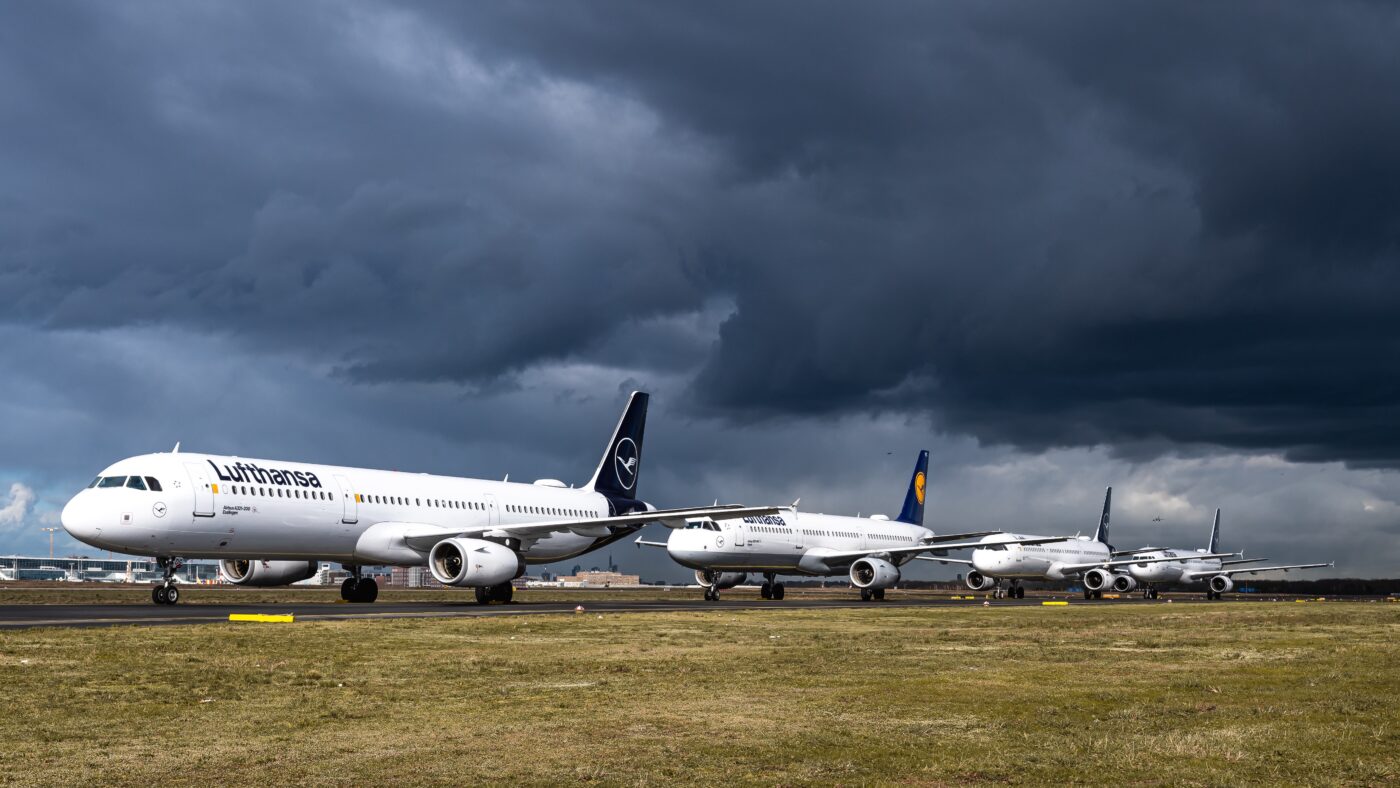
Lufthansa has taken precautionary measures to ensure reliable flight operations at Frankfurt Airport despite a tight jet fuel supply. On select routes, aircraft will refuel at their previous departure airport with more fuel than they need for the flight to Frankfurt. In this way, the airline is reducing the need for additional refueling at the German hub.
This is due to a temporary restriction in supply via a pipeline that delivers jet fuel to the airport. While Lufthansa is responding to potential restrictions, Fraport emphasizes that supply is secured through alternative transport routes and existing storage capacity. As things stand, the airline does not expect any flight cancellations due to this situation.
Pipeline Maintenance Strains Supply
According to Fraport, the tense situation was triggered by scheduled maintenance on a pipeline that is also used to transport kerosene to Frankfurt Airport. During the work, part of the usual transport capacity is temporarily unavailable.
In addition, low water levels in the Rhine are complicating supply via waterways. Tanker ships with shallow drafts can carry less cargo, which reduces the logistical flexibility for fuel transport. The combination of these two factors increases pressure on the supply chain, but does not automatically mean that kerosene is actually no longer available at the airport.
Fraport points to alternative supply routes and existing kerosene storage facilities. According to the airport operator, a supply shortage caused by the maintenance is therefore not expected. The airport’s operational capability is not affected. Thus, Lufthansa’s precautionary measures differ from a disruption of flight operations that has already occurred.
Lufthansa Relying on Additional Onboard Fuel
Lufthansa’s response involves a practice known as “tankering.” In this process, aircraft take on more fuel at the departure airport than they need for the immediate leg of the flight. The additional fuel is then used to cover the needs for the next leg and to reduce the amount of refueling required at the destination or connecting airport.
According to media reports, the measure primarily affects short- and medium-haul routes. However, some long-haul flights are also increasingly being included. For aircraft in the Airbus A320 family, these reports cite an upper limit of eight metric tons of additional fuel. The actual amount of fuel loaded depends on the specific operational and technical conditions.
The measure is intended to distribute kerosene demand across Frankfurt and relieve pressure on existing supplies. For flight planning, however, it entails additional effort: The fuel must already be available at other airports, and the aircraft must be capable of operating with the additional weight.
More fuel also means higher fuel consumption
Tankering is not a fundamentally new method in aviation. Airlines use it, among other things, when fuel is more expensive at one airport or when the supply at another location appears unreliable. However, the current situation in Frankfurt shows that this strategy can also be used to safeguard ongoing operations.
The additional fuel initially increases the aircraft’s takeoff weight. This raises fuel consumption because more mass must be carried during the flight. The extent of this effect depends, among other things, on the flight route, aircraft type, and the amount of additional fuel.
This presents Lufthansa with a balancing act: Higher fuel consumption on individual flight segments can make economic sense if it alleviates the strain on fuel supplies at the hub and allows for more reliable flight planning. At the same time, it must be ensured that applicable weight limits are adhered to and that sufficient reserves are maintained for safe flight operations.
No Flight Cancellations Expected
Despite the precautionary measures, Lufthansa does not currently anticipate any flight cancellations due to the tight kerosene supply. The company stated that the precautions are intended to ensure reliable operations. According to a Lufthansa spokeswoman, the measures are already having an effect and could be lifted in the foreseeable future.
Fraport also does not see airport operations being affected. The combination of alternative supply routes, existing storage capacity, and adjustments to refueling schedules is intended to help offset the temporary restrictions. Whether and when the additional measures can be fully lifted depends on how the supply situation develops.
Based on current information, passengers therefore have no reason to expect immediate restrictions on their flights. However, the situation highlights how important a reliable fuel supply is for a major international airport. Even a temporary reduction in individual transport capacities can necessitate additional measures by the airlines.
An Example of Air Travel’s Dependence on Its Infrastructure
As Germany’s largest airport and Lufthansa’s central hub, Frankfurt relies on a continuous supply of aviation fuel. Fuel deliveries must keep pace with the high and fluctuating demand of flight operations. Pipeline connections, waterways, fuel storage facilities, and the logistics of fuel suppliers all work together in this process.
The current situation shows that even scheduled maintenance work can necessitate additional operational adjustments when other factors limit the supply. Low water levels in the Rhine and temporarily reduced pipeline capacity have created a combination of challenges to which Lufthansa is responding with revised refueling plans.
The key factor will be how quickly regular supply capacities become fully available again. As long as supply is maintained through alternative routes and existing stockpiles, the strained situation need not escalate into an operational crisis. Lufthansa and Fraport are currently focusing on mitigating the restrictions through preventive measures and continuing flight operations in Frankfurt without major disruptions.