
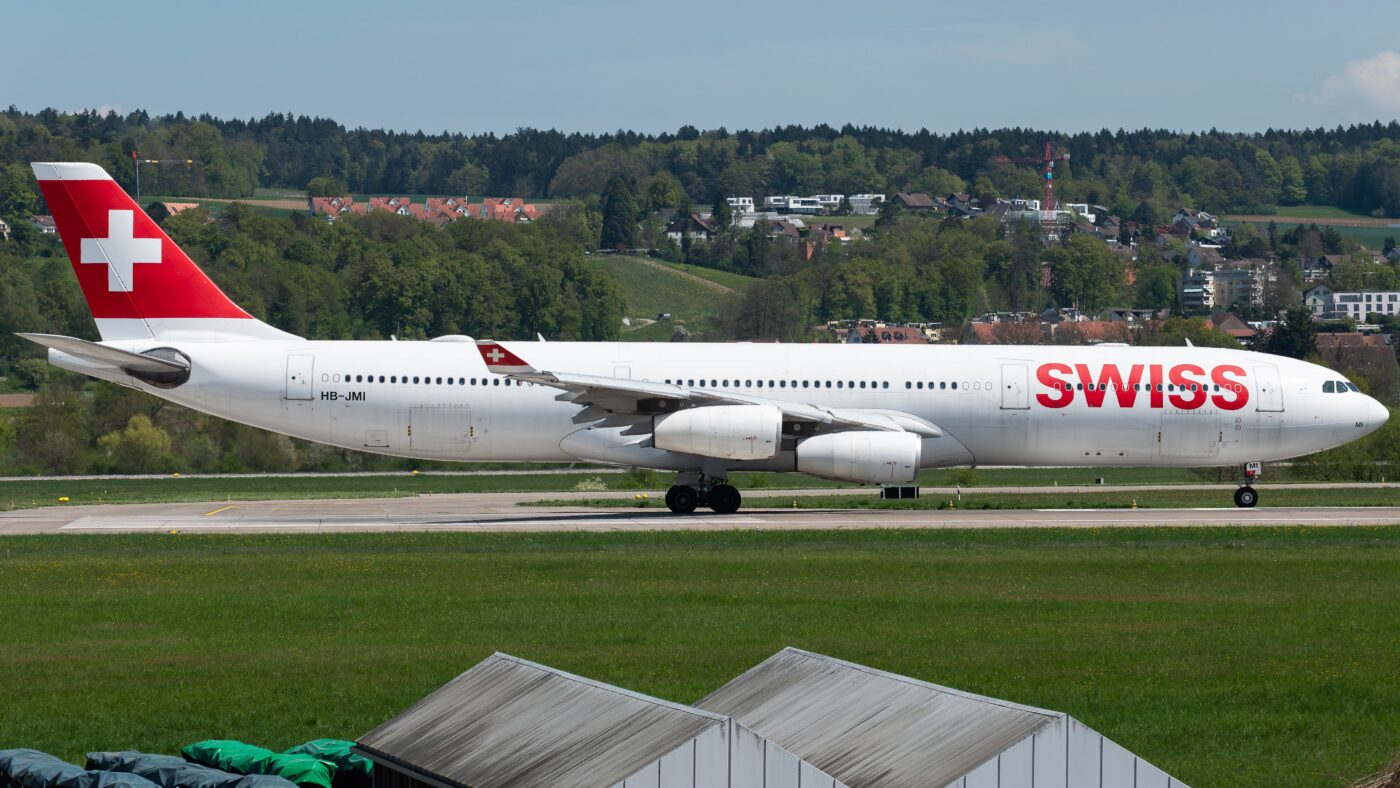
SWISS and the Swiss Museum of Transport have announced plans to preserve the airline’s last Airbus A340-300 after its retirement, giving the four-engine aircraft a permanent home in Lucerne.
The proposal, unveiled on 8 September, would bring the long-haul jet from Zurich Airport to the museum. SWISS chief executive Jens Fehlinger has identified early 2028 as the target for its arrival, although the partners have yet to make a final decision to proceed.
Moving an Airbus A340 to Lucerne
Getting the aircraft to its proposed home will require detailed feasibility studies, specialist transport and alterations to the museum site.
An A340-300 measures approximately 63.7 metres long and has a wingspan of 60.3 metres. Those dimensions help explain why an aircraft that routinely travels between continents presents a considerable challenge when its destination is a museum.
The partners describe the aircraft to be moved as weighing around 125 tonnes. They have not announced a final transport route or explained how it would be prepared for the journey.
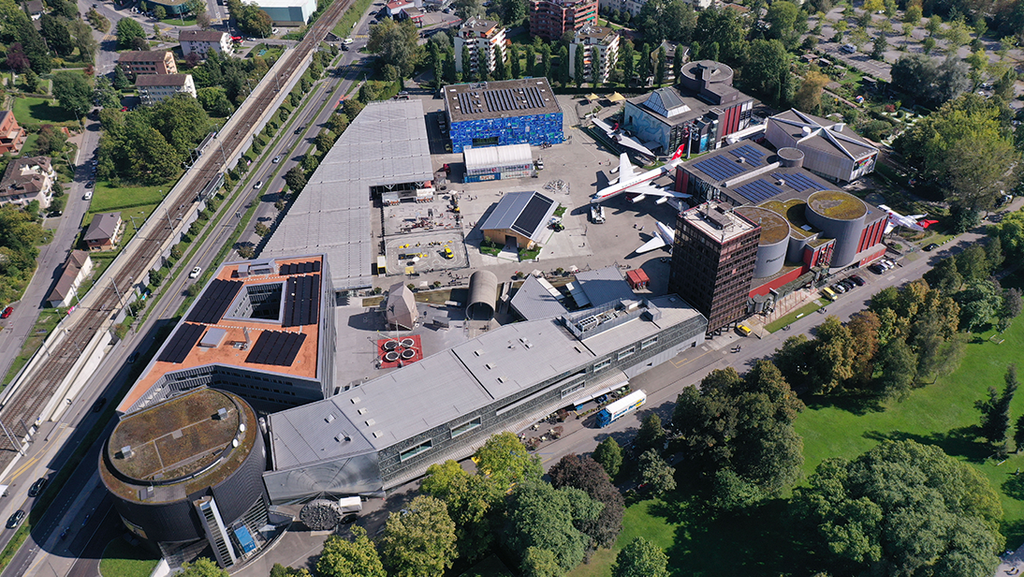
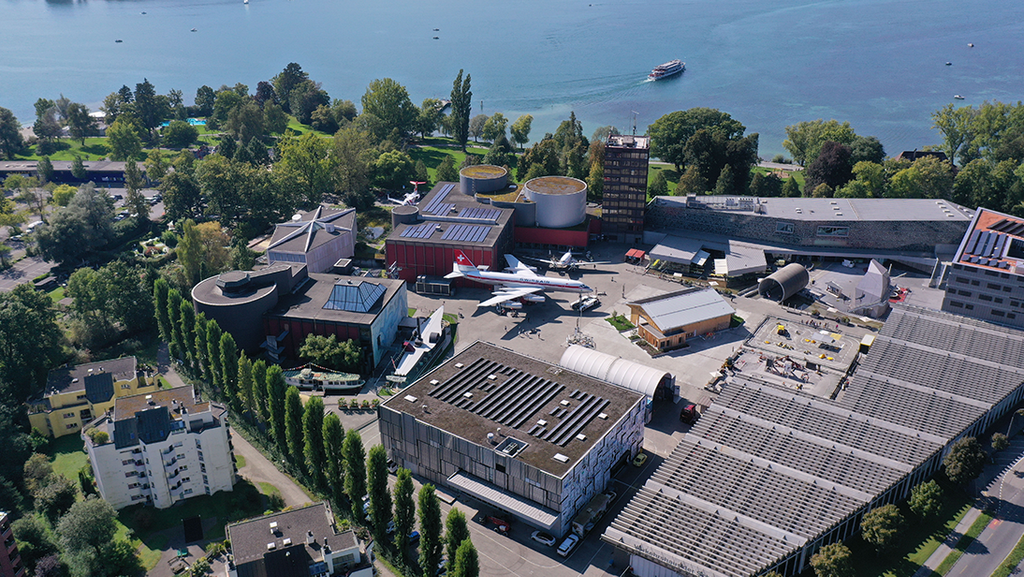
Museum director Martin Ettlinger says the aircraft fits the intended outdoor space in front of the aviation and space exhibition hall. However, positioning it there and integrating it into the exhibition remain part of the planning work.
Funding Needed Before the End of 2026
While SWISS would provide the aircraft as a gift, the museum would pay for its transfer, construction work and the development of the interior exhibition.
The museum puts the estimated cost in the high single-digit millions and says funding must be secured by the end of 2026.
Foundations, private donors and companies are expected to provide a substantial share. A fundraising committee involving Christoph Franz, president of the museum association and a former SWISS chief executive, is supporting those efforts.
Securing the aircraft itself therefore resolves only one part of the preservation project. The museum must also finance the work needed to turn it into an accessible, permanent attraction.

Visitors Would Explore Long-Haul Aviation
The museum intends to use the cabin to explain long-haul flying and aircraft technology. Educational activities would also give school groups and other visitors opportunities to learn about aviation engineering and history.
The proposed exhibit would allow people to experience the aircraft after its passenger service ends, preserving more than its external appearance.
Lucerne already displays a former Swissair Convair 990 Coronado. An A340 would add a later chapter to that collection, connecting two generations of Swiss long-haul aviation.
A Place in SWISS Fleet History
The A340 entered SWISS service in 2003 as the airline renewed its long-haul fleet and replaced its MD-11s. For more than two decades, the type has been part of the carrier’s international operations.
SWISS is now introducing Airbus A350-900s as part of another fleet renewal programme, with the twin-engine aircraft intended to replace its remaining A340s.
Preserving one would retain a physical link to that earlier transition. Visitors could encounter an aircraft that once represented the airline’s future, even as its successor takes over commercial flying.
For now, the proposed move remains dependent on the partners securing the money, permissions and transport arrangements required to bring the aircraft to Lucerne.