
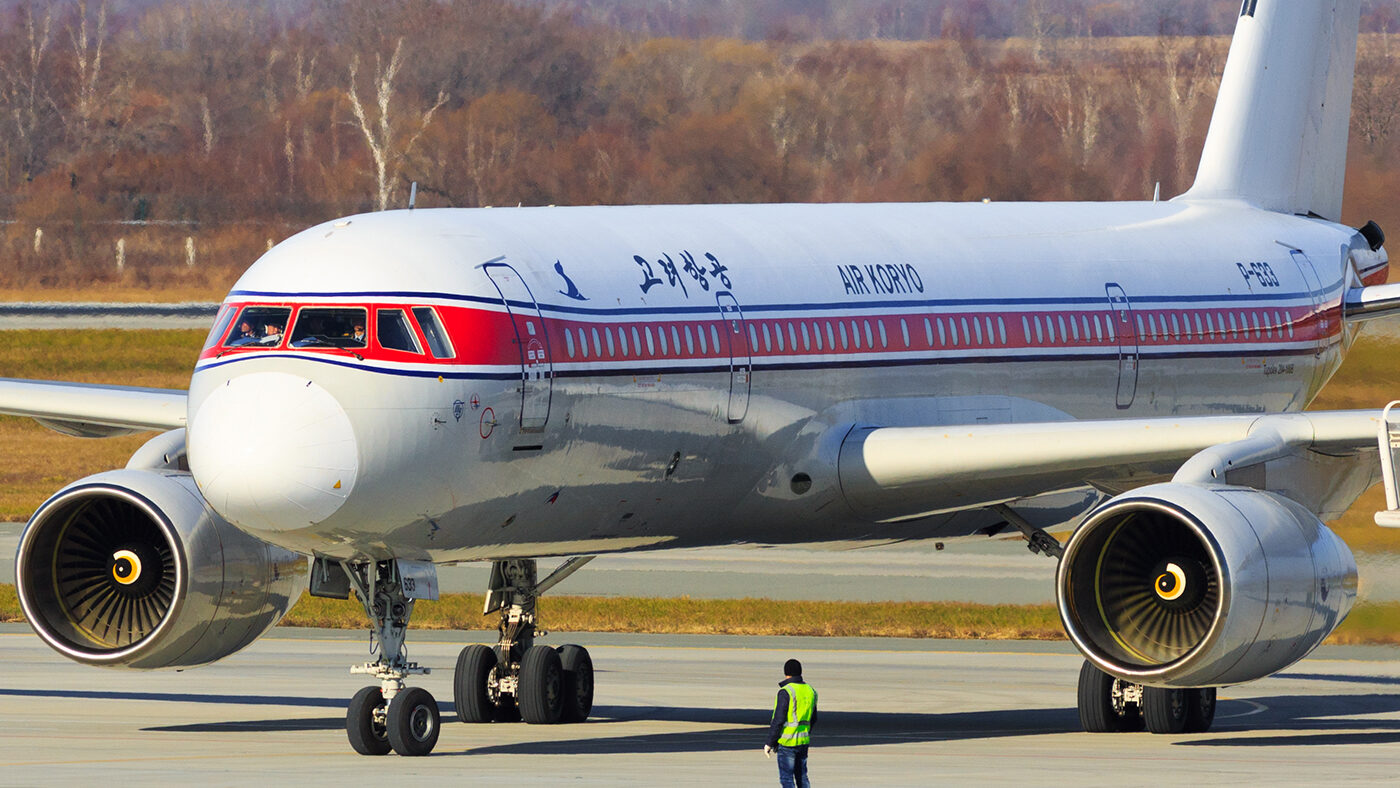
Air Koryo (고려항공), North Korea’s national airline, stands out in the world of aviation. It’s not just a typical airline; it serves multiple purposes for the Democratic People’s Republic of Korea (DPRK). This airline embodies national pride, plays a role in strategic logistics, helps diversify the economy amid sanctions, and represents a vision of modern technology influenced by the Juche ideology. The story of Air Koryo mirrors the journey of North Korea itself, from rebuilding after the war with Soviet support to striving for international recognition in the 1970s and now navigating complex sanctions under Kim Jong Un.
Historical Evolution and Ideological Roots
The story of civil aviation in North Korea is deeply intertwined with the influence of the Soviet Union. It all began in the early 1950s when SOKAO (Soviet–North Korean Airline) was established as a collaborative effort to connect the capital, Pyongyang, with Moscow. After the Korean War, flights resumed in 1953 under the name Ukamps, and by 1955, the airline was rebranded as Chosonminhang (Korean Airways), operating under the Civil Aviation Administration of Korea (CAAK).
The arrival of the Tupolev Tu-154 in 1975 marked a significant leap into the jet age, enabling the airline to expand its routes into Eastern Europe, with cities like Prague, East Berlin, and Sofia becoming part of its network. On March 28, 1992, in the wake of the Soviet bloc’s dissolution, the airline adopted the name Air Koryo, reflecting a new era and the necessity to adapt as a state enterprise in a changing world.
Supersonic Ambitions: The Concorde and Tu-144 Projects
In the late 1970s, Kim Il Sung initiated plans to acquire supersonic aircraft to boost international prestige and cut travel times to distant diplomatic allies.
The Concorde Deal (1979)
In 1979, North Korean officials reached out to British Aerospace and Aérospatiale, hoping to secure a deal for two Concorde jets. This initial agreement was a significant step towards modernizing their aviation capabilities, but it ultimately fell through for several reasons:
- Economic Viability: The high operating costs of the Concorde were daunting, especially as the DPRK faced economic challenges during the late 1970s.
- International Concerns: There was widespread apprehension among Western governments about the potential military applications of the technology, leading to pressure on manufacturers to halt the sale.
- Infrastructure Challenges: Pyongyang’s airport was not equipped with the necessary technical facilities to support such advanced aircraft.
The Soviet Alternative: Tupolev Tu-144
During the same time as the Concorde discussions, North Korea expressed interest in acquiring the Tu-144, affectionately known as “Concordski,” from the Soviet Union. In a bid to prepare for this advanced aircraft, Chosonminhang pilots were even sent to the USSR for training. However, the Soviet authorities ultimately turned down the sale, concerned about the potential exposure of sensitive military technology and uncertain about North Korea’s capability to operate the aircraft safely, especially in light of the tragic crash at the 1973 Paris Air Show.
Regional and Western Acquisition Attempts
The Shanghai Y-10 Interest (Early 1980s)
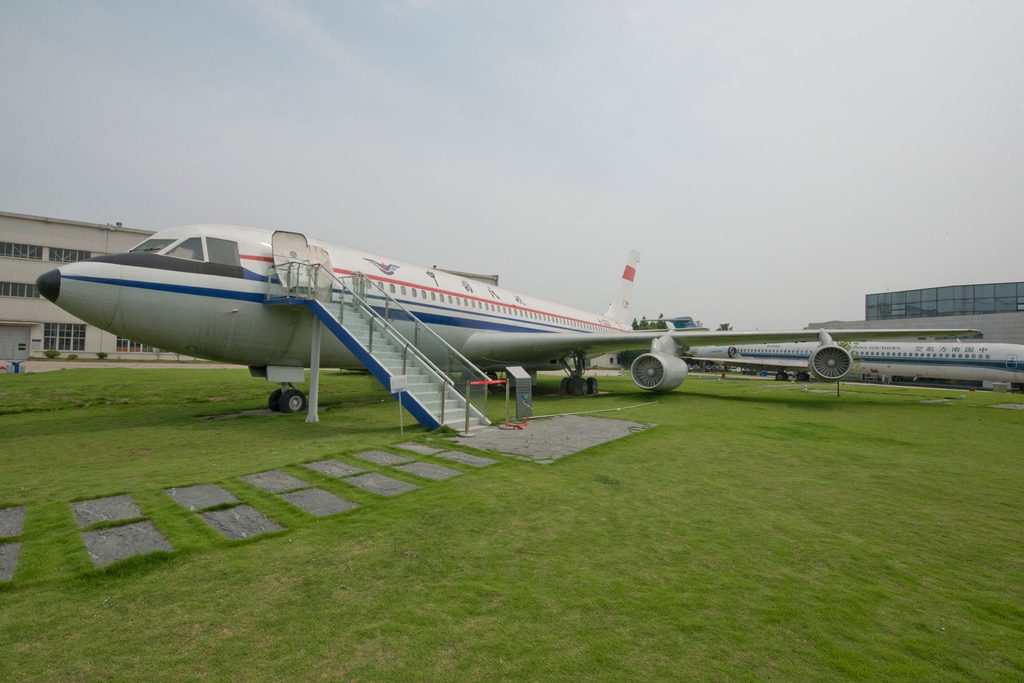
In the early 1980s, Air Koryo was the only foreign airline to express serious interest in China’s first domestically developed jetliner, the Shanghai Y-10 (Yun-10).
Technical and Development Background:
- Design Origin: The Y-10 was a four-engine narrow-body jet that drew significant inspiration from the Boeing 707-320C. To aid in its design, Chinese engineers reportedly reverse-engineered a Boeing 707 that had crashed while in service with Pakistan International Airlines.
- Performance Issues: Unfortunately, the aircraft faced considerable challenges with its weight. It became a well-known saying that the Y-10 could either take off with a full tank of fuel or a full cabin of passengers, but never both at the same time.
- Cancellation: Ultimately, the ambitious project was shelved in 1983 due to escalating costs, technical limitations, and insufficient backing from China’s national airline, CAAC.
The McDonnell Douglas MD-82 Proposal (1990s)
In the wake of the 1994 “Agreed Framework,” Air Koryo set its sights on acquiring American MD-80 series aircraft to modernize its aging Tu-134 fleet. The airline’s enthusiasm for the MD-82 was so strong that it proudly featured the aircraft in its official company brochure in 1996. However, despite the promising relationship with the manufacturer, mounting pressure from shareholders and influential figures within the US Government ultimately led to the unfortunate cancellation of the deal.
Fleet Sanctions Evasion and Acquisition Tactics
Air Koryo faces significant challenges in acquiring aircraft and parts because of international sanctions that limit their access to standard commercial channels. In response, the airline has creatively devised innovative strategies to navigate these restrictions and continue its operations.
Procurement via Intermediaries and Shell Companies
Air Koryo utilizes a complex web of front companies and intermediaries to secure aircraft.
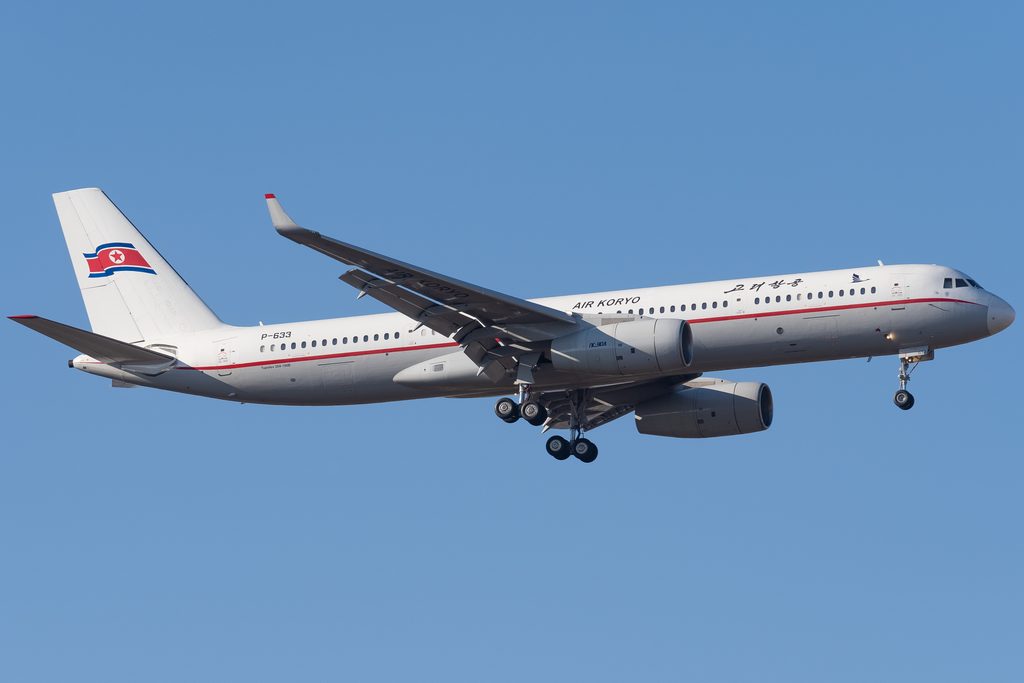
- Acquisition of P-633: The Tu-204-100B (registration P-633) was initially constructed in 2009 for Red Wings Airlines, but due to financial difficulties, the order was cancelled. The aircraft was later purchased by a shell company and delivered to Air Koryo in March 2010.
- Intermediary Networks: The procurement process frequently involves shell companies registered in locations such as Hong Kong (for instance, Union Top Management) or Kyrgyzstan, which helps to conceal the ultimate destination of the aircraft.
- The PAC P-750 Case: In 2016, a PAC P-750 XSTOL, manufactured in New Zealand, was spotted in Air Koryo’s livery. An investigation uncovered that it had been sold to a Chinese entity before being illegally re-exported to North Korea.
The Undelivered Tu-204s and “Sky KG Airlines”
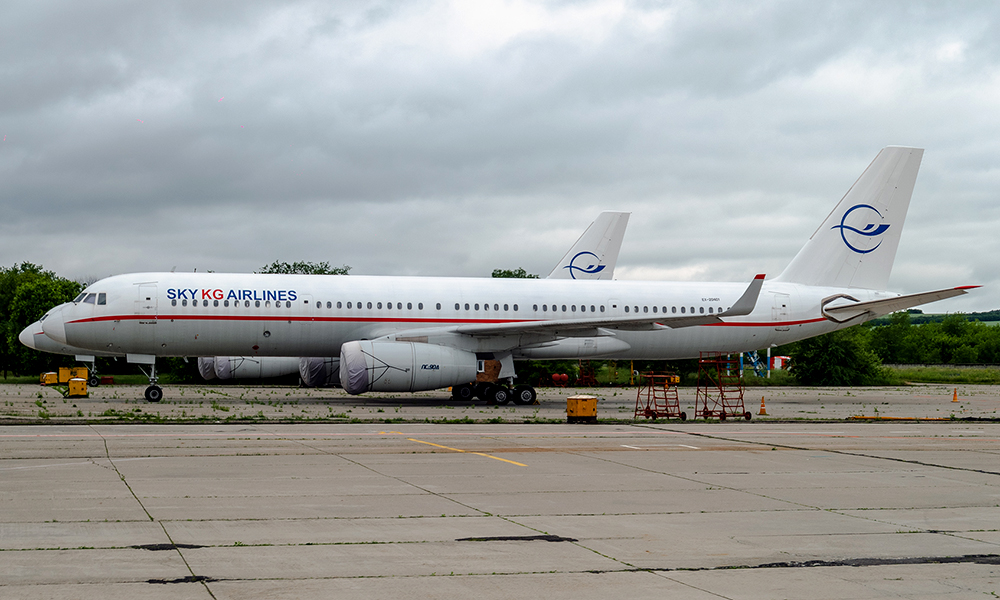
In 2021, two more Tupolev Tu-204-100B aircraft were set for delivery to Air Koryo, sparking interest and intrigue.
- The Livery Mystery: These planes were spotted adorned in the vibrant colors of Air Koryo, creating excitement among aviation enthusiasts. Unfortunately, their delivery was halted due to international sanctions.
- The Kyrgyz Cover: To navigate around these restrictions, the name of a Kyrgyz airline, Sky KG Airlines, was cleverly placed over the Air Koryo branding. As of late 2023, these aircraft have been sitting at Zhukovsky International Airport near Moscow, with ongoing reports indicating that North Korea is still working diligently to complete the transfer with help from Russian authorities.
Current fleet
| Aircraft Type | Registrations | Capacity | Notes |
|---|---|---|---|
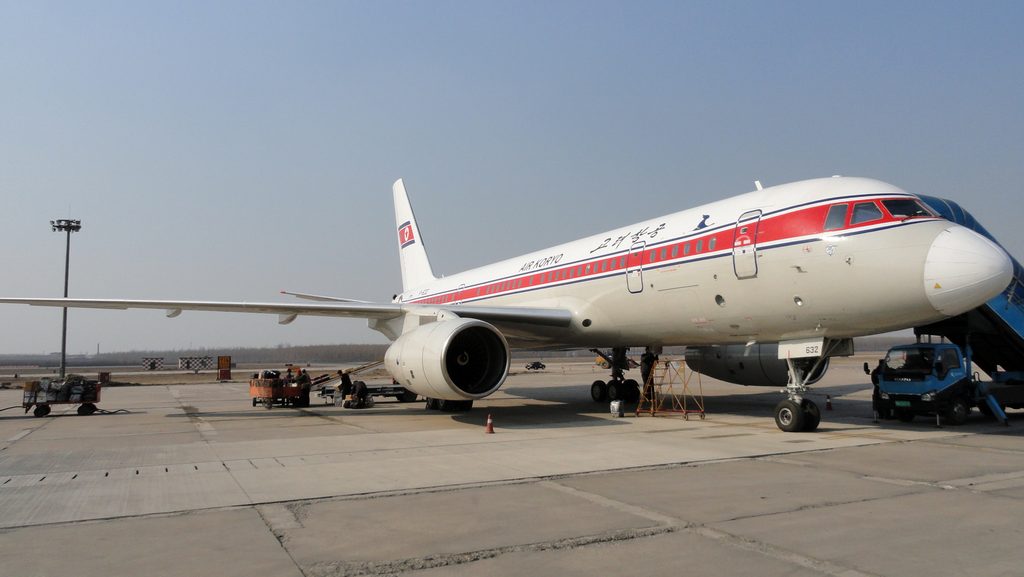
| Tupolev Tu-204-300 | P-632 | 166 seats | Primary jet for Beijing route |
| Tupolev Tu-204-100B | P-633 | 176–210 seats | Higher capacity; former Red Wings Airlines aircraft. |
| Antonov An-148-100B | P-671, P-672 | 70 seats | Youngest jets in the fleet (approx. 10 years). |
| Tupolev Tu-154B | P-561 | 136 seats | Approximately 44 years old; currently operating to Vladivostok. |
| Ilyushin Il-62M | Most likely P-882 or P-883 (previously registered as P-618) | VIP | Operated for the Government of North Korea. |
| Ilyushin Il-62M | P-881, P-885 | ~190 seats | |
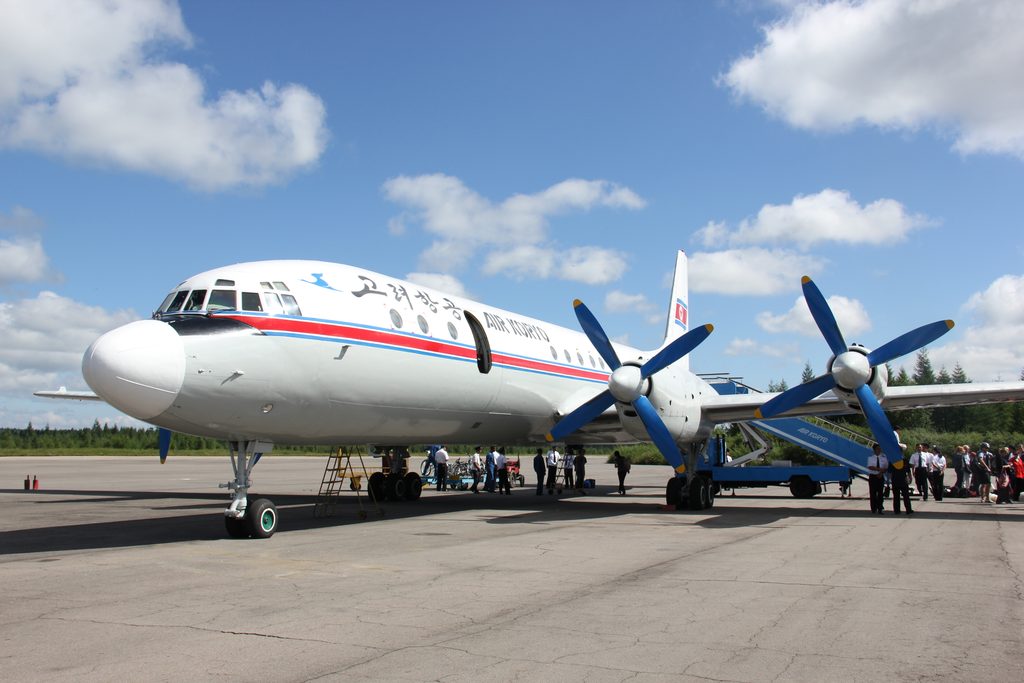
| Ilyushin Il-18D | P-835 | 122 seats | Over 54 years old; the last Il-18 in commercial passenger service worldwide. |
| Tupolev Tu-134B-3 | P-813, P-814? | 76 seats | Primarily used for domestic and aviation enthusiast flights. |
| Antonov An-24 | P-532, P-533, P-537 | 48 seats | |
| Ilyushin Il-76TD | P-912, P-913, P-914 | Cargo | Being converted into the military A-50 configuration |
Retired and Legacy Aircraft
- Lisunov Li-2: A Soviet adaptation of the iconic DC-3, this aircraft was in service during the 1950s. Notably, one unit owned by the Kim family tragically met its end when it was shot down in that same decade.
- Ilyushin Il-12 & Il-14: These piston-engine transports were the backbone of North Korea’s domestic fleet throughout the 1950s and 60s, playing a crucial role in connecting the nation.
- Tupolev Tu-104: In 1956, North Korea showed interest in this aircraft and even arranged for a demonstration flight. However, the high operational costs ultimately led to the decision not to pursue it further.
- Ilyushin Il-18V/GrM: With registration P-836, this aircraft underwent a conversion to cargo use between 1998 and 2005, adapting to the changing needs of the airline.
Chammae-1: Kim Jong Un’s VIP Aircraft
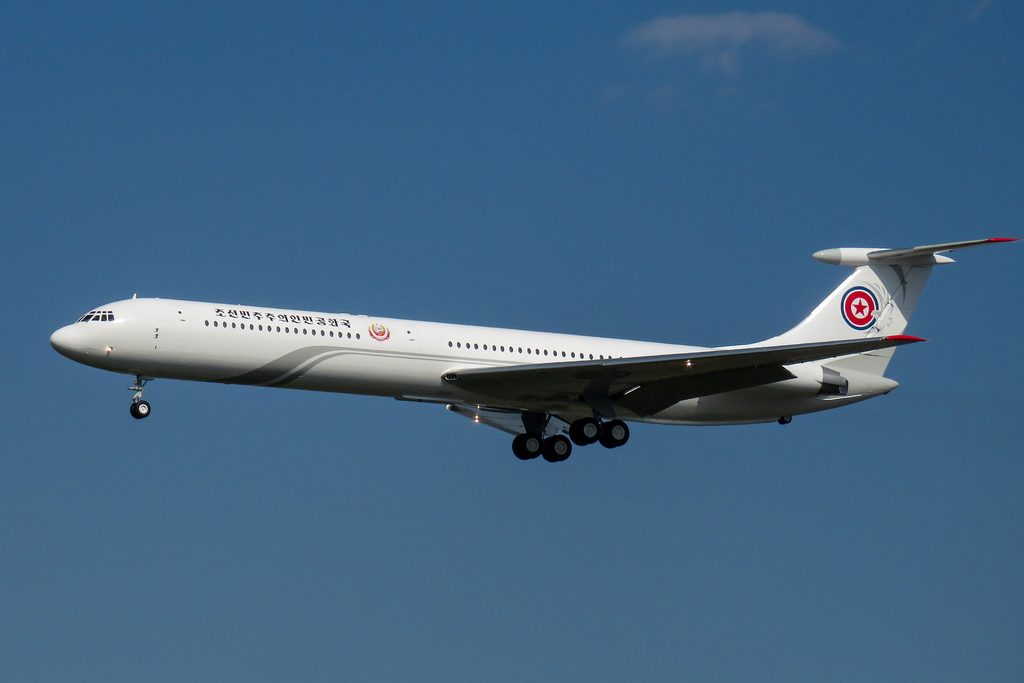
Kim Jong Un’s main aircraft is a specially modified Ilyushin Il-62M, affectionately known as Chammae-1.
- Engines: It boasts four Soloviev D-30KU turbofan engines.
- Range: This aircraft can fly approximately 10,000 km, enabling it to make non-stop journeys to destinations like Europe or the US West Coast.
- Distinctive Feature: A unique aspect of Chammae-1 is its retractable tail support strut, designed to keep the aircraft stable when parked empty, thanks to its rear-mounted engines.
There are probably two planes with this configuration within the Air Koryo fleet.
Aircraft Cannibalization: The “Donor” Fleet Strategy
Due to UN Resolution 2270 and the following sanctions that prevent the sale of aviation spare parts to North Korea, Air Koryo has had to resort to a unique and somewhat desperate method called “cannibalization.” This process entails carefully taking functional parts from one aircraft, referred to as the “donor,” to ensure another aircraft, the “receiver,” remains operational. Rather than retiring older planes, Air Koryo is creatively utilizing them for spare parts. The airline’s fleet remains airworthy largely because of these salvaged components from other aircraft.
Mechanisms and Implementation
- Operational Necessity: Cannibalization has become a crucial strategy for Air Koryo, driven by the urgent need to keep aircraft operational when spare parts are scarce. Skilled technicians creatively salvage parts from inactive planes—those grounded for extensive repairs—and transfer them to active aircraft, ensuring that flight schedules can be met despite the challenges.
- The “Robbed” Inventory: This practice, often referred to as “robbing” a part in both military and airline maintenance, highlights the resourcefulness of Air Koryo. With an average fleet age of 34 years, older models like the Tu-134 and surplus Il-62s are repurposed as reliable sources for spare parts, extending their usefulness beyond retirement.
- Economic Realities: While this approach enhances immediate operational capabilities, it also leads to a slow decline in the overall fleet size, as the donor aircraft are often left in disrepair once their parts are removed, creating a cycle of neglect.
- Maintenance Burden: The process of cannibalization is labor-intensive, requiring twice the effort of a standard repair—one for removing the part and another for installation. This places significant strain on maintenance teams, who must balance the demands of keeping the fleet airworthy with limited resources.
The Air Koryo Conglomerate: Economic Diversification
The Air Koryo brand, under the ownership of the North Korean Air Force, has evolved into a diverse conglomerate. This transformation enables the airline to invest in rebuilding its infrastructure, even in the face of ongoing sanctions.
Consumer Goods and Retail
- Food and Beverages: Produces its own line of colas, energy drinks, and sodas. Specialized canned goods include canned pheasant soup, canned peaches, and makkoli.
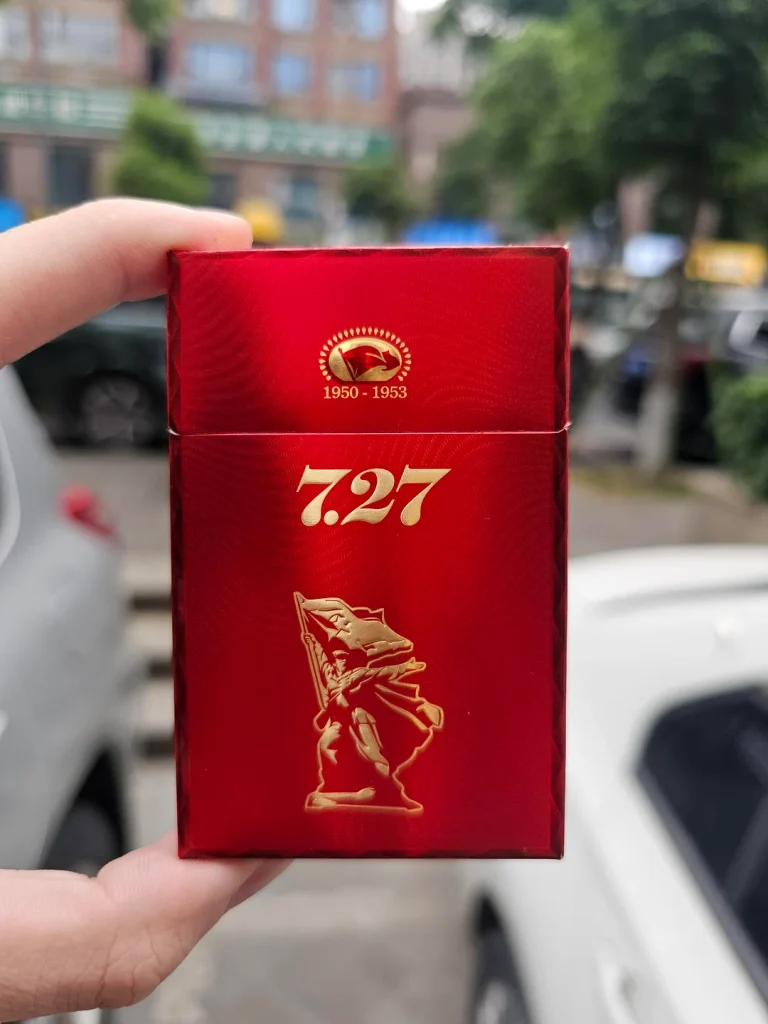
- The 7.27 Brand: Air Koryo proudly distributes the esteemed “7.27” cigarettes, named in honor of the Korean War armistice date. These cigarettes are known to be a favorite of Kim Jong Un and are often used as high-level bribes.
- Retail Outlets: Features dedicated sections in the Potonggang Department Store and a charming boutique at the Pyongyang airport terminal, providing a personalized shopping experience.
Transportation and Infrastructure
- Taxi Service: Recognizable by their cheerful sky-blue and white colors adorned with a flying crane logo; this service was launched between 2015 and 2016 to enhance urban mobility.
- Gas Stations: The conglomerate runs friendly gas stations and car washes throughout Pyongyang, where customers can conveniently use specialized fuel coupons.
Safety Record and the EU Ban
Air Koryo faces considerable operational challenges, largely stemming from ongoing maintenance and oversight issues that impact its flight operations.
Tragic Incidents
- 1983 Guinea Crash (P-889): On July 1, 1983, a Chosonminhang Ilyushin Il-62M tragically collided with a mountain in the Fouta Djallon range while approaching Conakry, resulting in the loss of all 23 lives on board. The incident was attributed to pilot error and fatigue, highlighting the critical importance of vigilance in aviation safety.
Other incidents
- Flight JS-151: An Air Koryo Tupolev TU-204, registration P-632, was on its way from Pyongyang (North Korea) to Beijing (China) when it reached a cruising altitude of 9200 meters (FL302). Just as the aircraft was about to enter Chinese airspace, the passengers and crew felt a sudden and intense vibration throughout the cabin. Concerned for their safety, the crew decided to turn back and return to Pyongyang, where they landed safely about an hour after takeoff. Passengers described the unsettling experience, noting that the vibrations were so severe that they could see parts of the wing falling away. Reports from various sources indicated that one of the flaps had detached during the flight.
- Smoke onboard flight JS-151: In another incident, the same Air Koryo Tupolev TU-204, registration P-632, was climbing through 9100 meters shortly after departing from Pyongyang on flight JS-151 to Beijing when the crew detected smoke in the cabin. Prioritizing the safety of everyone on board, they quickly diverted the flight to Shenyang (China) for a smooth landing on runway 24 approximately 25 minutes later. Emergency services on the scene reported no signs of fire, heat, or smoke. On August 17, 2016, China’s CAAC shared that during a meeting on August 5, 2016, representatives from Air Koryo informed the CAAC that the source of the smoke had been pinpointed; overheated loudspeakers located beneath the right-hand luggage compartments between rows 20 and 27 were the culprits.
- Hard landing in Budapest: In 1979, a Chosonminhang Tupolev Tu-154B experienced a hard landing at Budapest Ferihegy Airport in Hungary, resulting in damage to its landing gear and wing. Thankfully, there were no fatalities.
European Union Operating Ban (2006)
- Findings: EU ramp inspections (SAFA programme) in France and Germany revealed significant safety concerns, highlighting a “persistent failure” to rectify these issues. Among the deficiencies were pilots’ proficiency in English and the accuracy of descent trajectories.
- Partial Lift: In 2010, the ban was revised to Annex B, permitting only the two modern Tupolev Tu-204 aircraft (P-632 and P-633) to operate in EU airspace, as they comply with essential international safety standards.
Historical Routes of Air Koryo
| Country | City | Notes |
|---|---|---|
| Bulgaria | Sofia | Served in the 1980s via Moscow. |
| Czech Republic | Prague | Key destination in the 1970s–80s. |
| Germany | Berlin | Served from 1975 using Tu-154. |
| Hungary | Budapest | Site of a 1979 hard landing incident. |
| Serbia | Belgrade | Served via Il-62 in the 1980s. |
| Russia | Moscow | First route; nonstop via Il-62 from 1982. |
| Russia | Khabarovsk | Served in the 1980s and 90s. |
| Russia | Irkutsk | Refueling stop for Tu-154 flights. |
| Russia | Novosibirsk | Refueling stop for Tu-154 flights. |
| China | Shanghai | Charter service resumed Dec 2024. |
| China | Macau | Resumed briefly in 2019. |
| China | Dalian | Scheduled service in the late 2000s. |
| China | Harbin | Served via Tu-154/Tu-134. |
| Thailand | Bangkok | Banned in 2017 due to sanctions. |
| Malaysia | Kuala Lumpur | Banned in 2017 after the Kim Jong-nam incident. |
| Kuwait | Kuwait City | Banned in 2016; served overseas laborers. |
| Singapore | Singapore | Seasonal service in the late 2000s. |
| Pakistan | Islamabad | Refueling stop for Kuwait route. |
| Iran | Tehran | Planned route for Tu-204 in 2008. |
| South Korea | Seoul | Charter flights operated 2003–2014. |
| Japan | Niigata | Served “Chongryon” visits in the 1980s. |
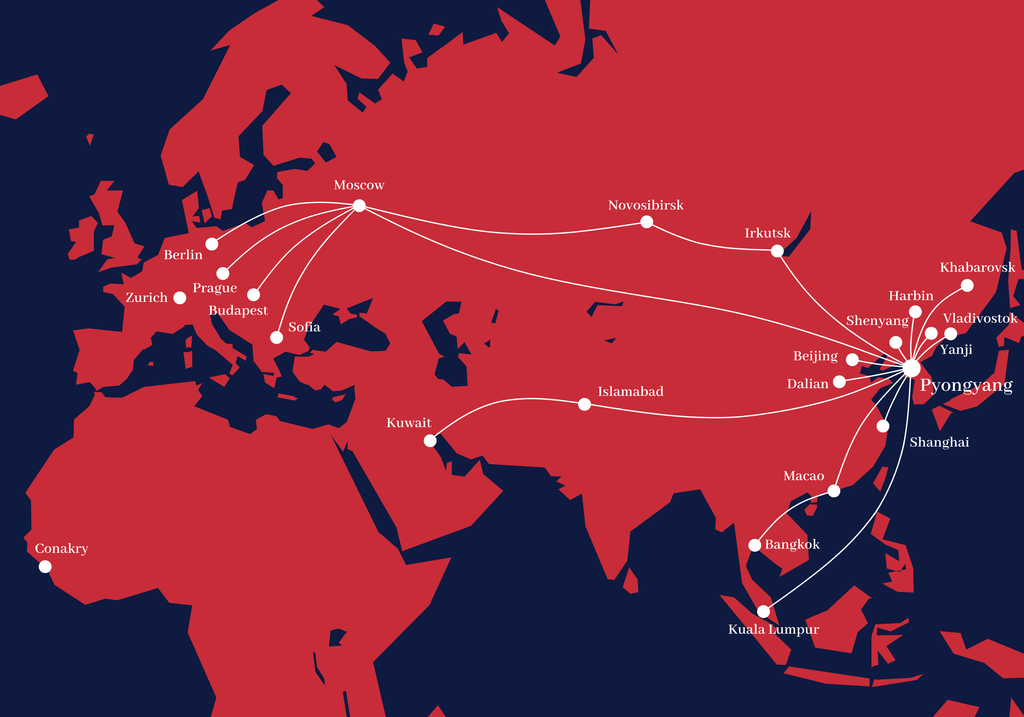
Air Koryo’s websites have intriguingly listed Zürich in Switzerland and Conakry in Ghana as potential destinations for charter flights. However, the regularity of these routes remains unverified.
Current Routes (As of October 2026)
| Route | Flight No. | Frequency | Aircraft Type |
|---|---|---|---|
| Pyongyang – Beijing | JS151/152 | Tue, Sat | Tu-204-300 |
| Pyongyang – Shenyang | JS155/156 | Wed, Sat | Tu-204-100B |
| Pyongyang – Vladivostok | JS271/272 | Mon, Wed, Fri | An-148 / Tu-154 / IL-62M |
Cooperation with Russia remains critical for fleet maintenance, with Air Koryo jets being serviced in Ulyanovsk to ensure continued airworthiness.
The Wonsan International Friendship Air Festival
In September 2016, North Korea hosted its first-ever public air show at the newly upgraded Kalma Airport in Wonsan. The event was designed to promote tourism and showcase the nation’s military and civil aviation capabilities to an international audience.
Program and Participants
The festival featured a mix of military aerobatics and civil flight displays, attended by approximately 10,000–15,000 local spectators and 200 foreign enthusiasts.
- Military Display (KPAAF): The air force performed aerobatic routines with its most advanced fighters, including the MiG-29 Fulcrum and Sukhoi Su-25 Frogfoot. A captivating moment of the air show was the solo performance of the MiG-29, which wowed the audience with its low-level barrel rolls, thrilling spectators as it soared above them.
- Civil Display (Air Koryo): The entire fleet of Air Koryo took to the skies, showcasing a variety of aircraft, including the Il-18D, Il-62M, Il-76TD, Tu-134, and Tu-154B, all part of an impressive flight program.
- Joyrides for Tourists: International visitors had the unique opportunity to pre-book joyrides on vintage Soviet-era aircraft, with at least 17 flights conducted, featuring the Il-18, An-24, and Tu-154.
“Flowers of the Sky”
A touching cultural highlight was the formation flight of two MiG-21s, piloted by Jo Kum-hyang and Rim Sol, who are celebrated as North Korea’s first female supersonic jet pilots. Known as “Flowers of the Sky” (previously “Phoenixes”) by Kim Jong Un, they have become symbols of national pride and the party’s commitment to training.
Curiosities and Sanctions Violations
- Western Hardware: The event included four Hughes MD-500 helicopters, which had an interesting backstory, having been illegally exported to North Korea in the 1980s through a third country.
- Model Aircraft: A model airplane competition showcased a remote-controlled 1/6 scale F-16 fighter jet alongside a Chinese J-10, captivating enthusiasts of all ages.
- National Beer Showcase: Concurrently with the aerial displays, the DPRK’s 2nd National Beer Festival was held at the venue, inviting visitors to enjoy the local Taedonggang beer.
Originally planned to be a biennial event, the 2017 edition was unfortunately cancelled due to “geopolitical reasons,” as international sanctions became stricter following nuclear tests.