
Australia’s newest major airport has welcomed its first passengers, with Jetstar operating the inaugural commercial service as the new facility begins domestic and international operations.
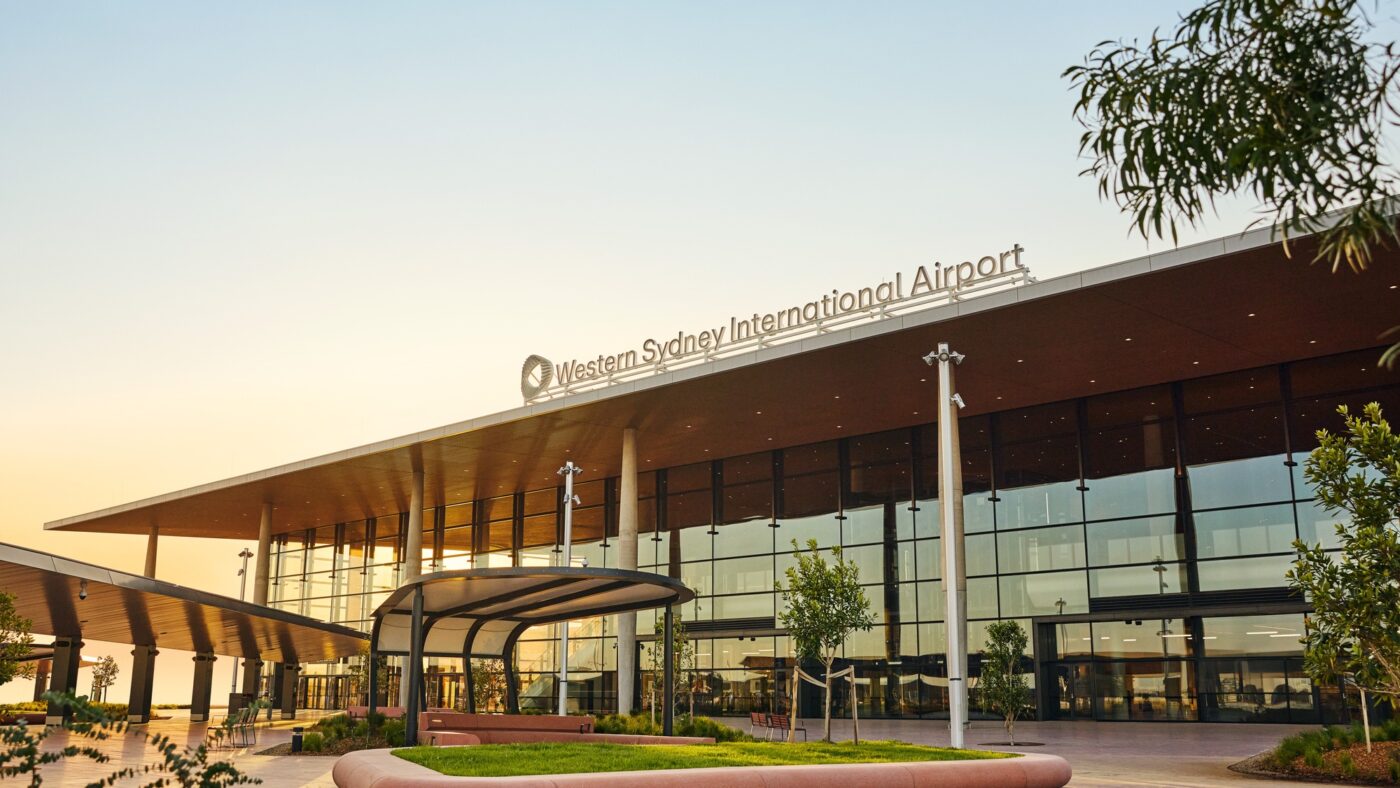
Western Sydney International Airport (WSI) has officially opened to passengers, with Jetstar operating the first commercial flight from the new airport on Sunday, 25 October 2026, connecting Western Sydney with the Gold Coast.
The opening follows decades of planning and seven years of construction, providing Sydney with a second major airport alongside Sydney Kingsford Smith Airport. Located at Badgerys Creek, west of the city centre, the new facility has been designed to accommodate domestic, international and freight services, with operations permitted around the clock.
Jetstar flight JQ362 was scheduled to depart for the Gold Coast at 11:00 local time, with the inaugural service taking off shortly after 11:20, according to Australian media reports.
The flight was operated by an Airbus A320neo, becoming the first commercial passenger departure from the airport.
A New Gateway for Sydney
The airport is located approximately 45 kilometres from Sydney’s central business district and is intended to serve the growing population of Western Sydney, where access to the existing Sydney Airport can involve significant road travel. Unlike Sydney Kingsford Smith, which operates under a night-time curfew, WSI is designed for 24-hour operations, giving airlines greater flexibility when scheduling passenger and freight services.
The project has been in development for decades. Badgerys Creek was identified as the location for Sydney’s second major airport in 1986, while construction of the current project began in September 2018.
Passenger operations follow a period of testing and operational readiness exercises ahead of the opening.
The airport is expected to accommodate up to 10 million passengers annually in its initial phase, with the infrastructure designed to support future expansion as demand increases. It will handle domestic and international passenger services alongside air freight, providing additional capacity for the Sydney region.
Jetstar Leads the Initial Airline Operations
Jetstar is the first airline to begin commercial passenger services from Western Sydney International, with its initial network connecting the airport to the Gold Coast, Melbourne and Brisbane.
The airline is scheduled to operate up to 14 weekly flights to Melbourne, four to the Gold Coast and three to Brisbane, using Airbus A320-family aircraft.
Qantas will follow with domestic operations from 28 March 2027, initially serving Melbourne and Brisbane with its QantasLink Embraer E190 aircraft. The planned schedule includes four weekly flights on each route, adding further domestic connections from the new airport.
International services are also due to begin shortly after the opening with Air New Zealand scheduled to launch flights to Auckland on 26 October, making it the first international carrier to operate passenger services from WSI.
Singapore Airlines will follow on 23 November, with daily services to Singapore Changi Airport.
Further international connections have already been announced.
Vietjet Air is joining the airport’s airline network, while Fiji Airways plans to introduce three weekly services to Nadi from 19 March 2027. Qatar Airways has also announced plans to launch flights between Western Sydney and Doha on 15 December 2027, initially operating three times per week.
Freight Operations and Future Growth
Passenger flights follow the start of cargo operations at the airport in July 2026, with Qantas Freight among the operators establishing services at the new facility.
From 1 November, the airport is intended to become Sydney’s primary location for overnight freight movements, subject to the arrangements governing night-time operations at Sydney Kingsford Smith Airport.
The opening of Western Sydney International gives airlines another option for serving the Sydney market, with the airport’s 24-hour operating model offering a different scheduling proposition from the existing airport. Longer-term growth will depend on passenger demand, the introduction of additional routes and the ability to attract more airline operations as Western Sydney develops.
Focus shifts to the passenger schedule, beginning with Jetstar’s domestic services before Air New Zealand introduces the airport’s first international passenger flights.